
Especificaciones y análisis del Hyundai i30
Power
110HP
Torque
260Nm
Consumption
4.1l/100
Emissions
109g/km
0-100 km/h
12.3s
Top Speed
185km/h
Weight
1365kg
Price
17,700€
Technical summary
Gasóleo
Manual 6v
FWD
5 / 5 doors
378 L
53 L
81 kW
Current
Technical specifications
Engine
Capacities
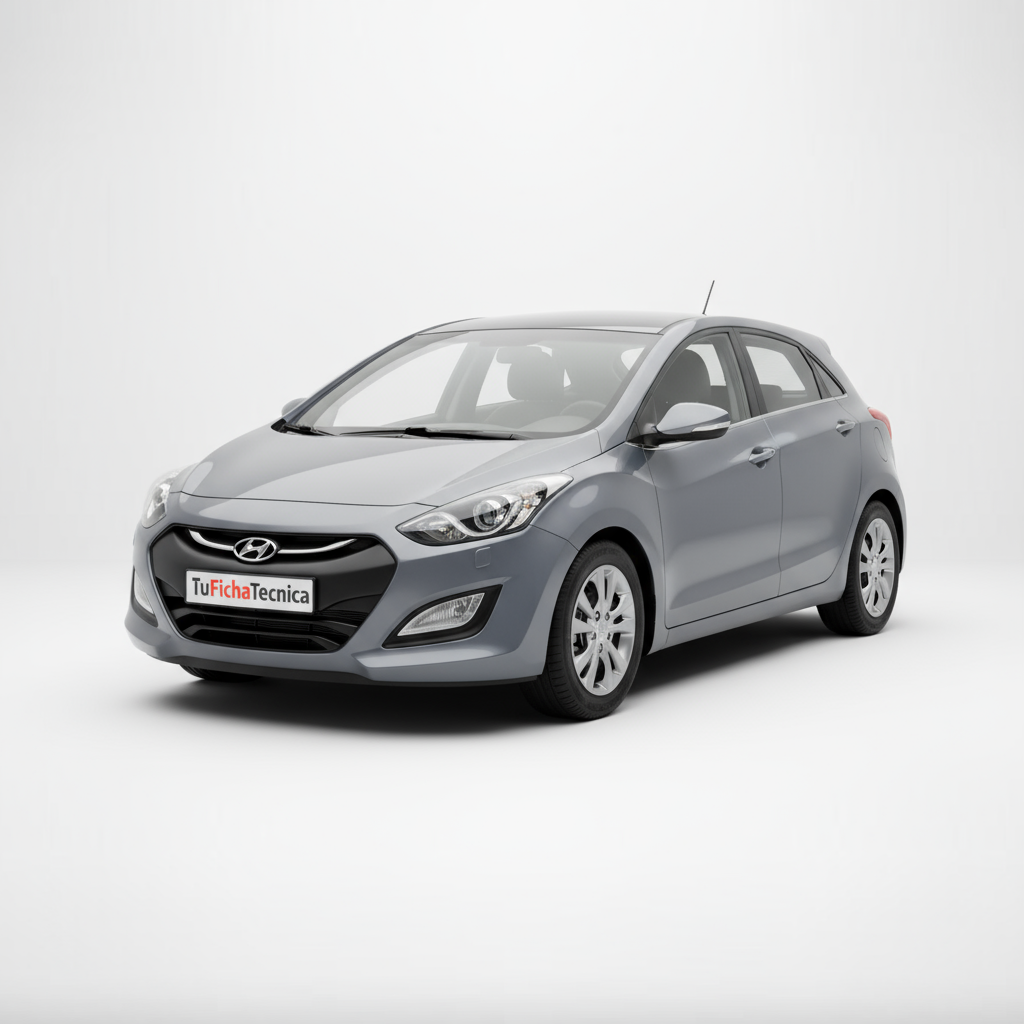
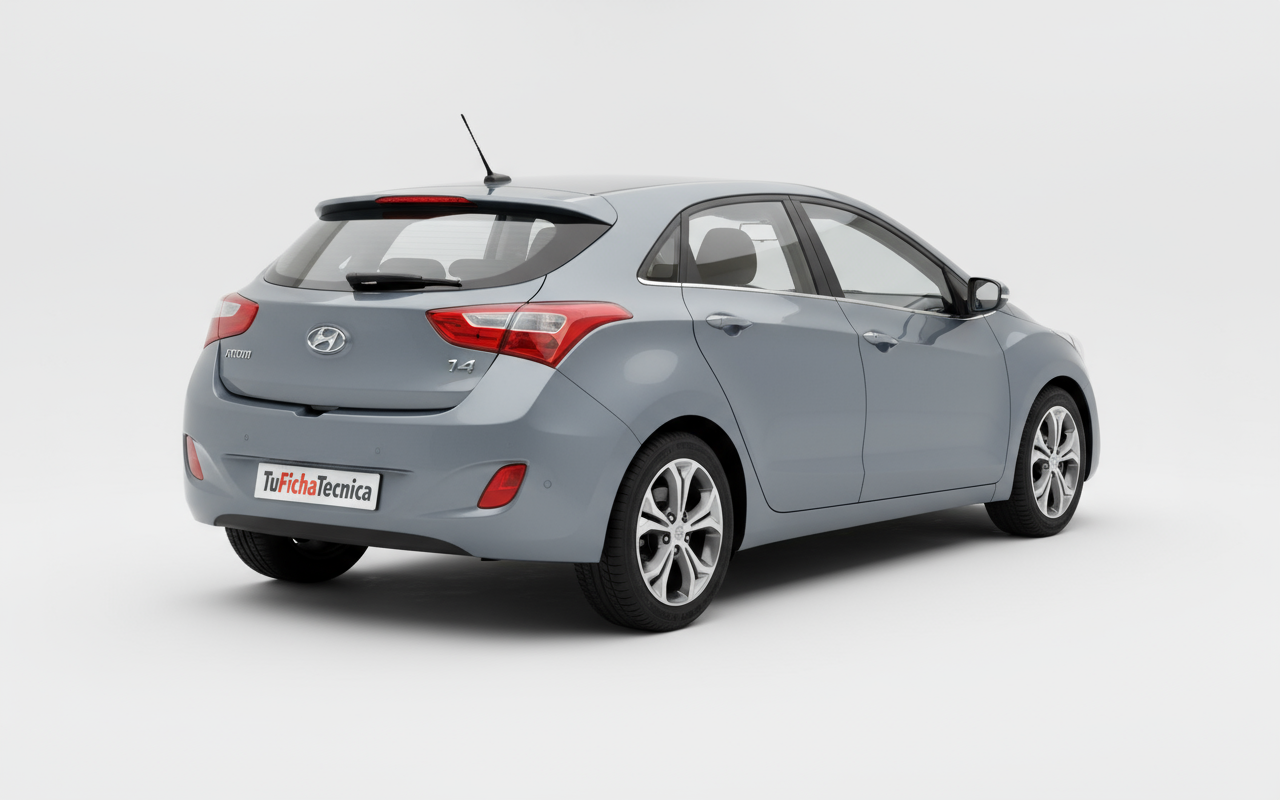
Detailed analysis of the Hyundai i30 5p 1.6 CRDI 110 CV City S (2013)
General description
The 2012 Hyundai i30 was not just another car; it was a statement of intent. With this generation, the South Korean brand showed the world that it could create a compact capable of looking eye-to-eye with the European kings, combining surprising quality, a captivating design, and rock-solid reliability. This i30 is the car that changed the perception of Hyundai forever.
Driving experience
Getting behind the wheel of this i30 with the 110-horsepower 1.6 CRDI engine is an experience of balance and serenity. It doesn't seek speed records but aims to offer a pleasant and highly efficient journey. The engine pushes decisively from low revs thanks to its generous torque, and the six-speed manual gearbox allows you to smoothly harness its potential. It feels planted on the road, with a suspension that filters out irregularities without hesitation, conveying a confidence and comfort that make you feel at home from the very first kilometer.
Design and aesthetics
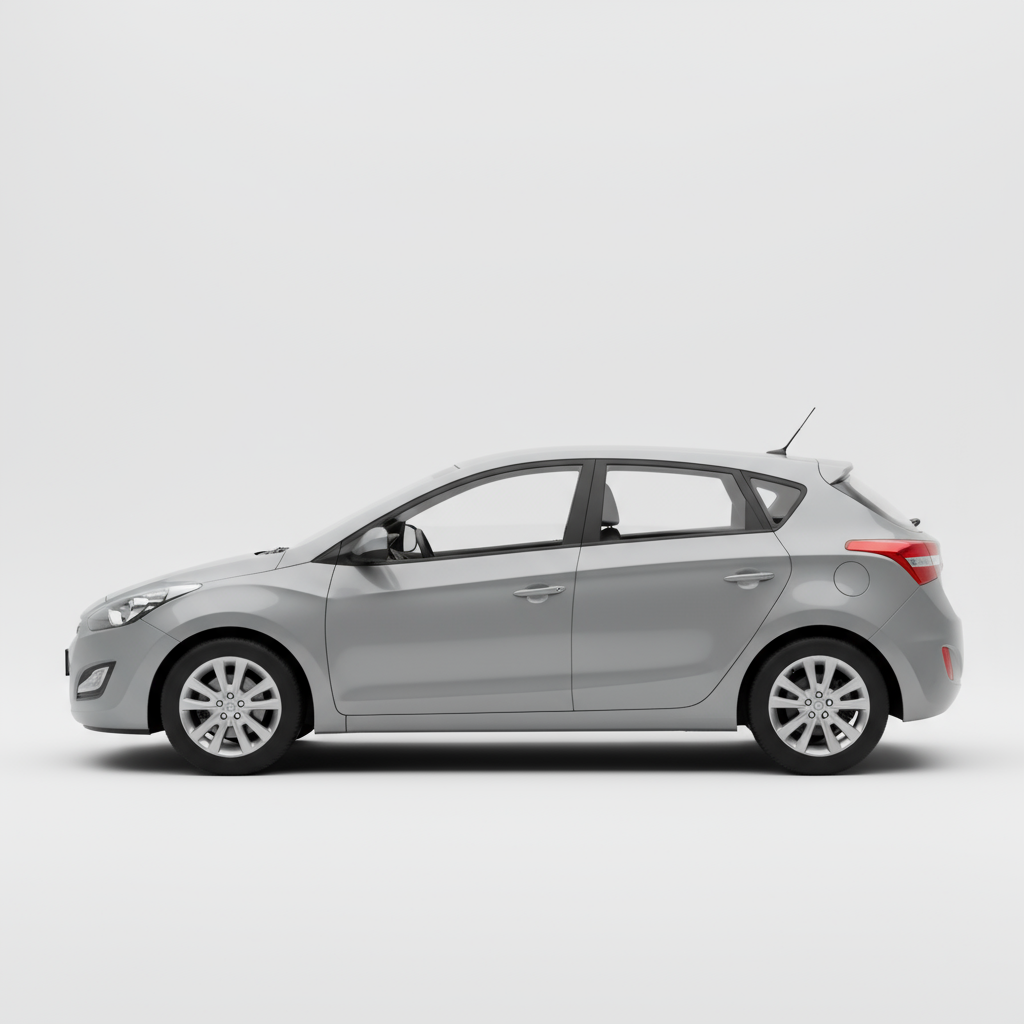
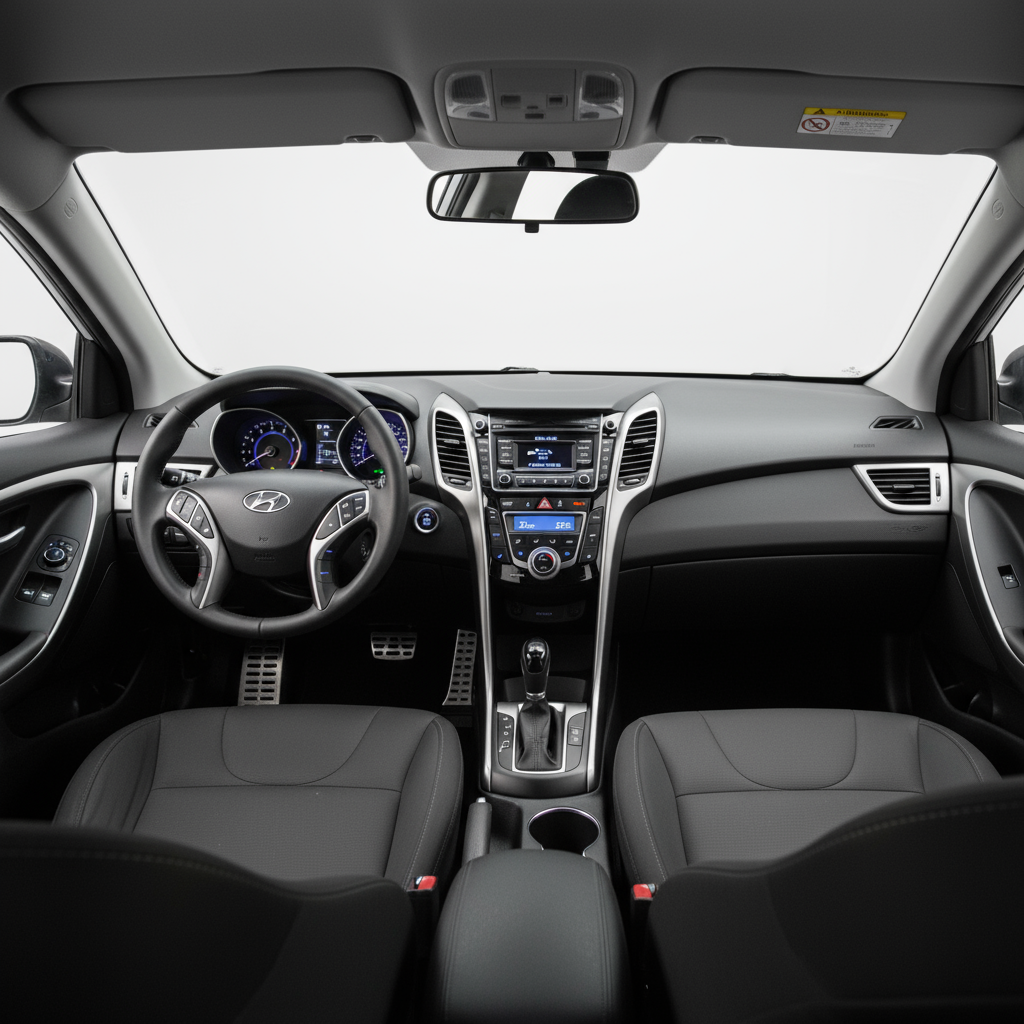
Hyundai's 'Fluidic Sculpture' design came to life in this i30, abandoning sobriety to embrace fluid and dynamic lines that capture light and attention. It's a car that, even a decade later, looks modern and attractive. Inside, the leap in quality is palpable. The materials are pleasant to the touch, the fits are precise, and the space is well-utilized, offering a cozy and functional environment that makes you feel you've made both a smart and passionate purchase.
Technology and features
For its time, the i30 came loaded with driver-focused solutions. The electric power steering with different stiffness modes was an interesting novelty in the segment, allowing the steering feel to be adapted to each situation. Although we can't expect today's giant screens, its standard equipment was comprehensive, with active and passive safety systems that ensured peace of mind and a competent audio system to liven up any journey. It was useful technology, without gimmicks.
Competition
In such a competitive market, the Hyundai i30 faced titans like the Volkswagen Golf, the Ford Focus, and the SEAT León. While its European rivals played the card of tradition and sportiness, the i30 counterattacked with an irresistible formula: a bolder design, more generous equipment for the same price, and a perceived quality that surprised everyone. It was the contender that earned the public's respect.
Conclusion
The 2012 Hyundai i30 is much more than just a means of transportation. It is proof that rationality and emotion can go hand in hand. A reliable, economical, and comfortable car that also brings a smile to your face with its design and good performance. It represents a turning point for the brand and one of the smartest purchases that could be made in the compact segment, a legacy that endures.