
Especificaciones y análisis del Hyundai i30
Power
128HP
Torque
260Nm
Consumption
5.5l/100
Emissions
145g/km
0-100 km/h
11.7s
Top Speed
188km/h
Weight
1385kg
Price
22,590€
Technical summary
Gasóleo
Automático 6v
FWD
5 / 5 doors
378 L
53 L
94 kW
Current
Technical specifications
Engine
Capacities
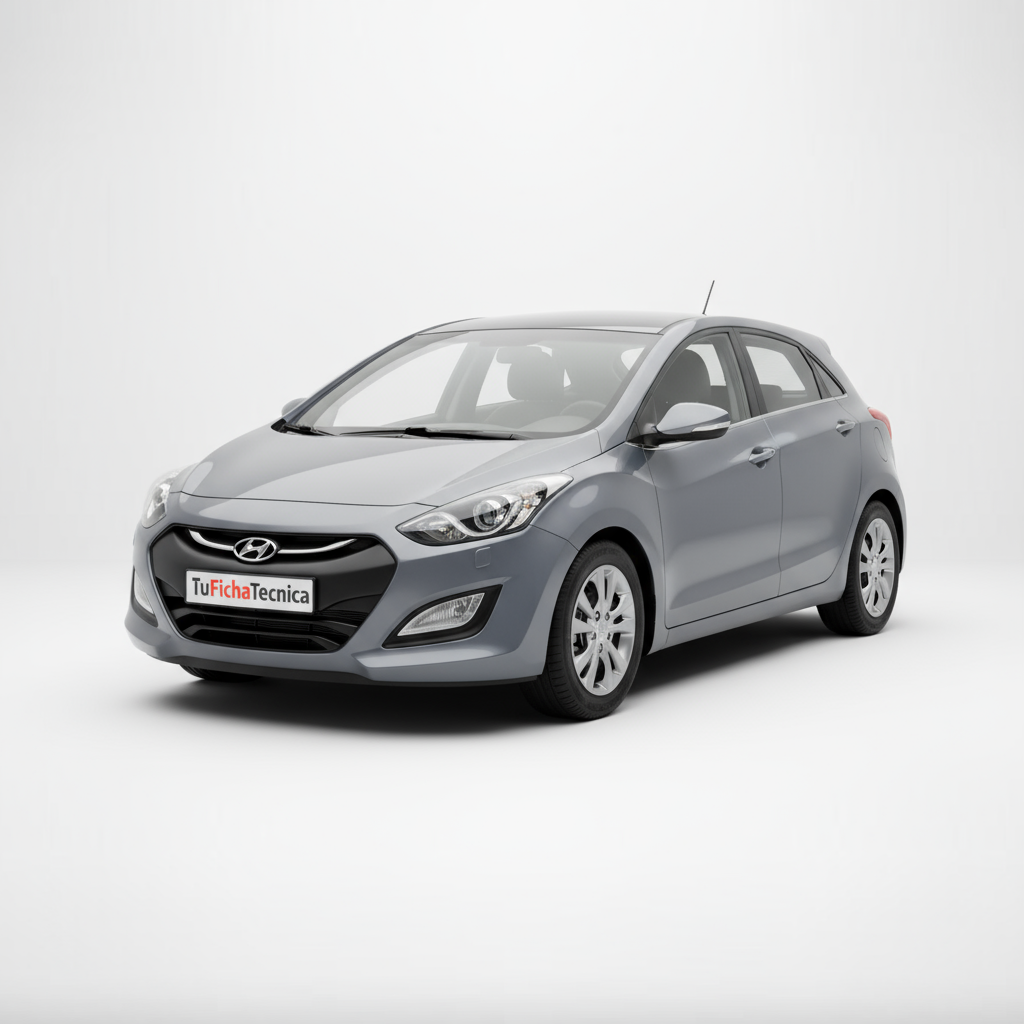
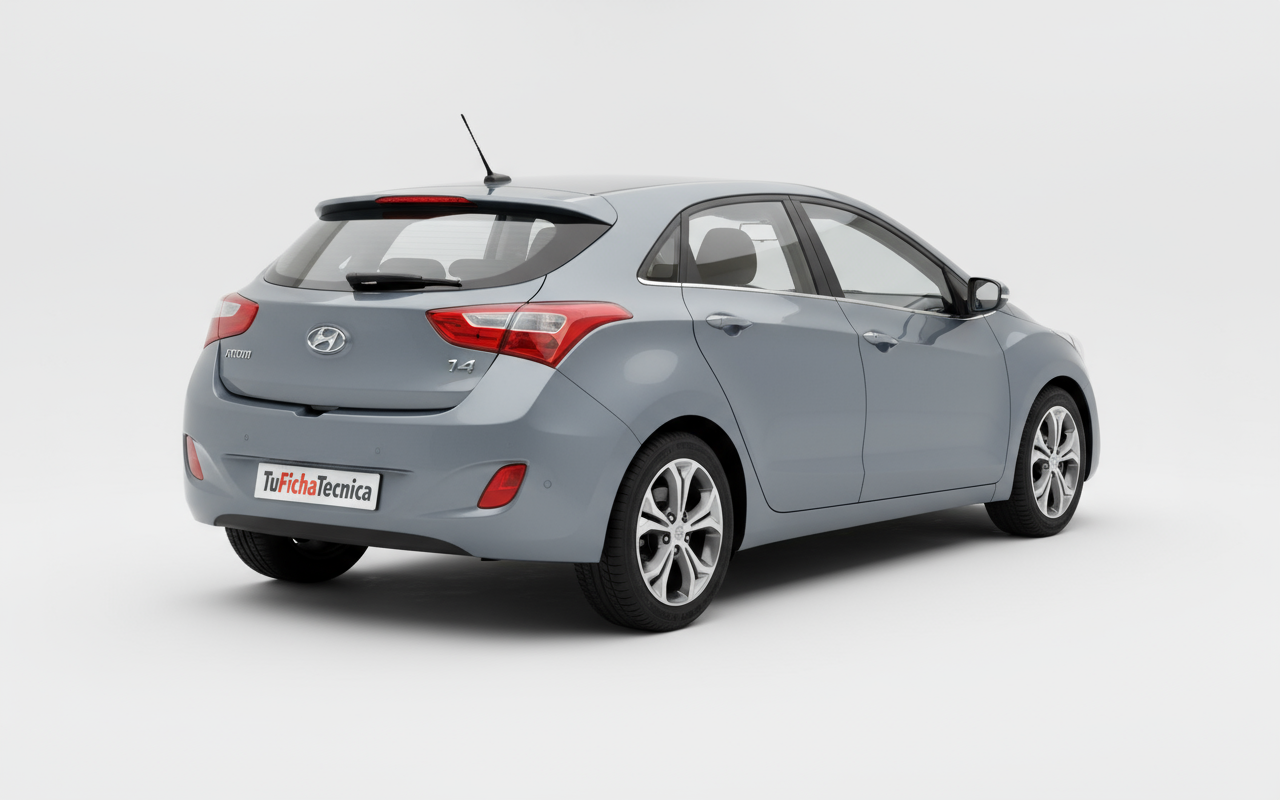
Detailed analysis of the Hyundai i30 1.6 CRDI 128 CV Style S Aut. (2012)
General description
The 2012 Hyundai i30 burst into the competitive compact segment with a statement of intent. Far from being a simple budget alternative, this car was born to go head-to-head with the big European names, combining a captivating design with a 128-horsepower diesel heart and the comfort of an automatic transmission, an offer that invites you to rediscover the pleasure of driving every day.
Driving experience
Behind the wheel, the i30 conveys a sense of poise and serenity. Its 1.6 CRDI engine pushes smoothly and consistently from low revs, and the torque converter automatic gearbox manages gears almost imperceptibly, prioritizing comfort over sportiness. It's not a car for lightning-fast acceleration, but a tireless travel companion, with a suspension that masterfully filters out road imperfections and steering that offers safety and ease of handling. It is a haven of calm in the daily hustle and bustle.
Design and aesthetics
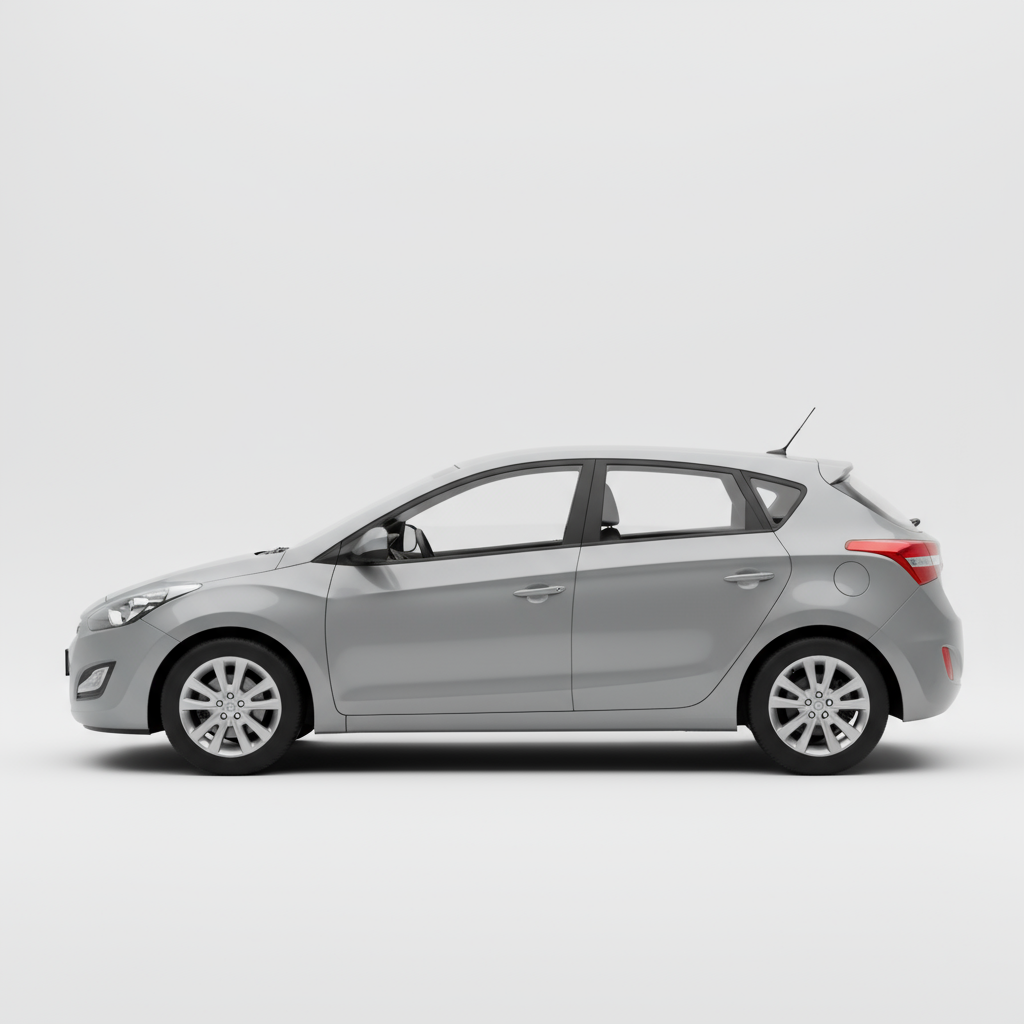
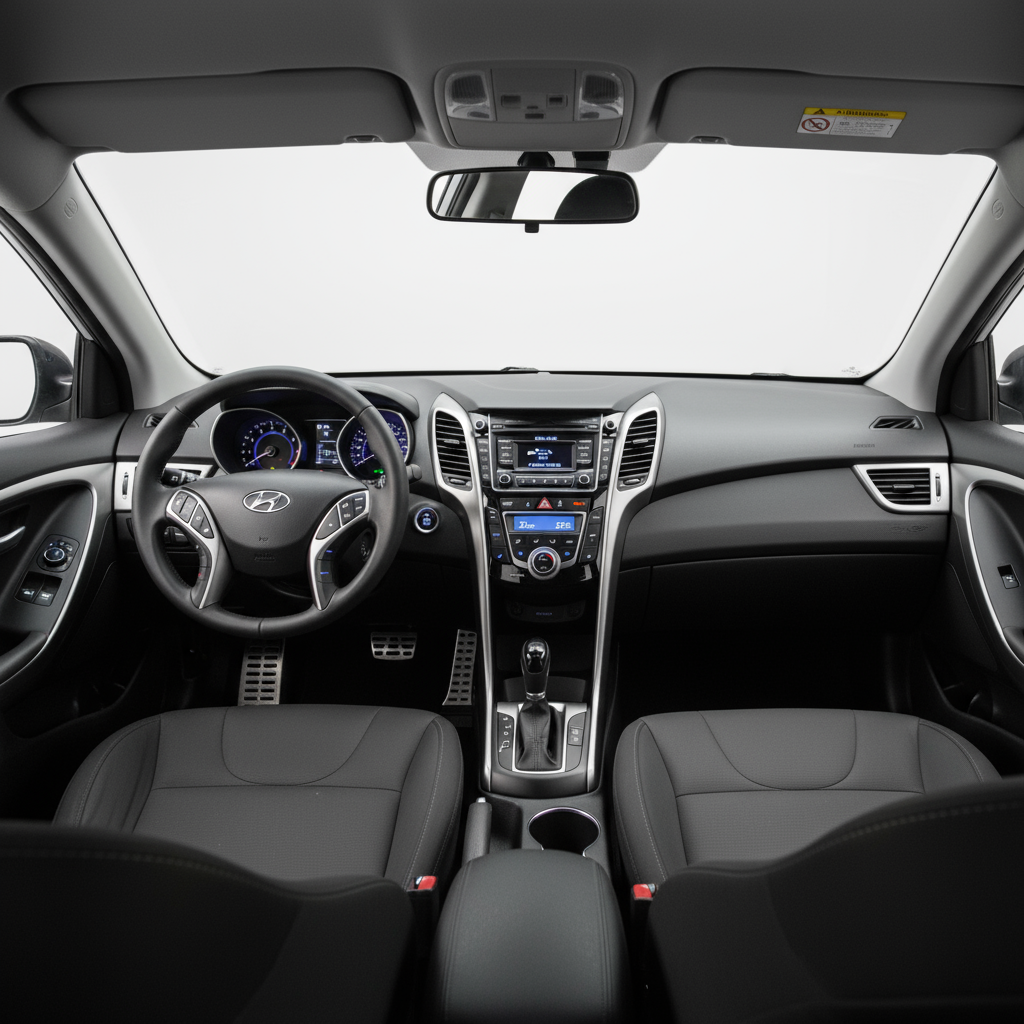
Hyundai's 'Fluidic Sculpture' design came to life in this i30, giving it fluid and dynamic lines that break with the sobriety of its predecessor. Every curve and crease of its five-door body seems sculpted by the wind, creating an attractive silhouette that has aged gracefully. Inside, the leap in quality is palpable, with pleasant-to-the-touch materials, solid assembly, and a generous interior space that welcomes passengers with a remarkable sense of roominess and well-being.
Technology and features
In its Style S trim, this i30 showed that technology was not exclusive to premium brands. Equipped with 17-inch wheels, a six-speed automatic transmission, and speed-sensitive electric power steering, it offered a surprising level of refinement. Every element was designed to make life on board simpler and more pleasant, from the ergonomic driving position to the systems that ensured a safe and connected journey for its time.
Competition
On its path, the Hyundai i30 encountered established giants like the Volkswagen Golf, Ford Focus, or SEAT León. However, it was not intimidated. It played its cards masterfully, offering a bolder design, an extensive warranty, and a quality-equipment-price ratio that made more than one buyer hesitate. It positioned itself as the smart and passionate alternative for those looking for more than the obvious choice.
Conclusion
The 2012 Hyundai i30 is much more than just a car; it is the symbol of a brand's maturity. It represents the perfect balance between reason and emotion, a reliable, comfortable, and well-made vehicle that wins you over with its design and convinces you with its daily use. It is a well-rounded purchase for those who value tranquility, comfort, and a style that endures over time, a choice that makes you feel you've made the right decision.