
Especificaciones y análisis del Hyundai i30
Power
100HP
Torque
137Nm
Consumption
6l/100
Emissions
139g/km
0-100 km/h
12.8s
Top Speed
182km/h
Weight
1260kg
Price
17,147€
Technical summary
Gasolina
Manual 6v
FWD
5 / 5 doors
378 L
53 L
73.6 kW
Current
Technical specifications
Engine
Capacities
Detailed analysis of the Hyundai i30 5p 1.4 MPi 100 CV Tecno S (2012-2013)
General description
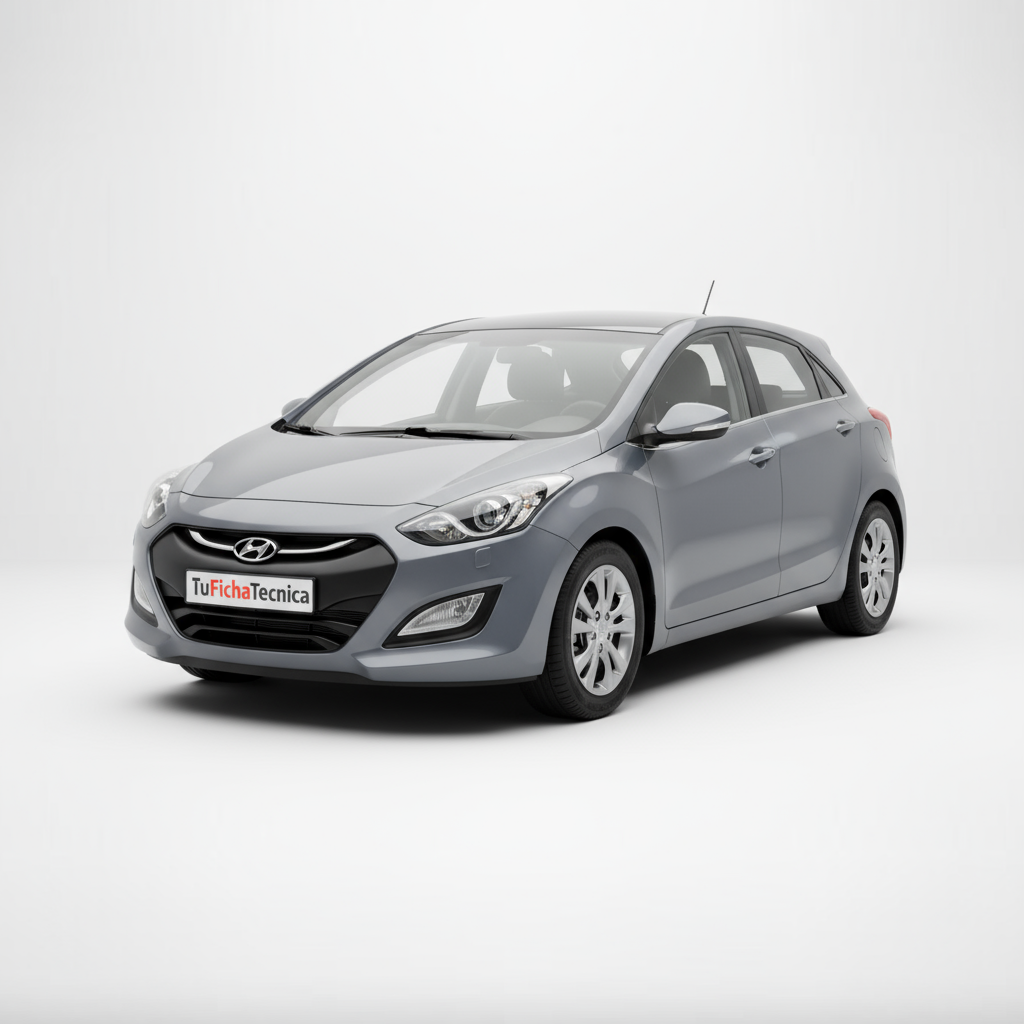
The 2012 Hyundai i30 was not just another car; it was a statement of intent. With this generation, the South Korean brand showed that it could compete head-to-head with the European giants, offering a compact that captivated with its design, convinced with its quality, and surprised with its overall balance. A vehicle that arrived to change the rules of the game and win hearts.
Driving experience
Behind the wheel, the i30 conveys a sense of solidity and confidence. Its 100 HP, managed by a smooth six-speed manual gearbox, moves the car with the necessary agility for daily use, without sporty pretensions but with an honest response. What really shines is its chassis: the multi-link rear suspension, a luxury in its segment, gives it exceptional poise and ride quality, filtering out road imperfections and making every journey a serene and pleasant experience.
Design and aesthetics
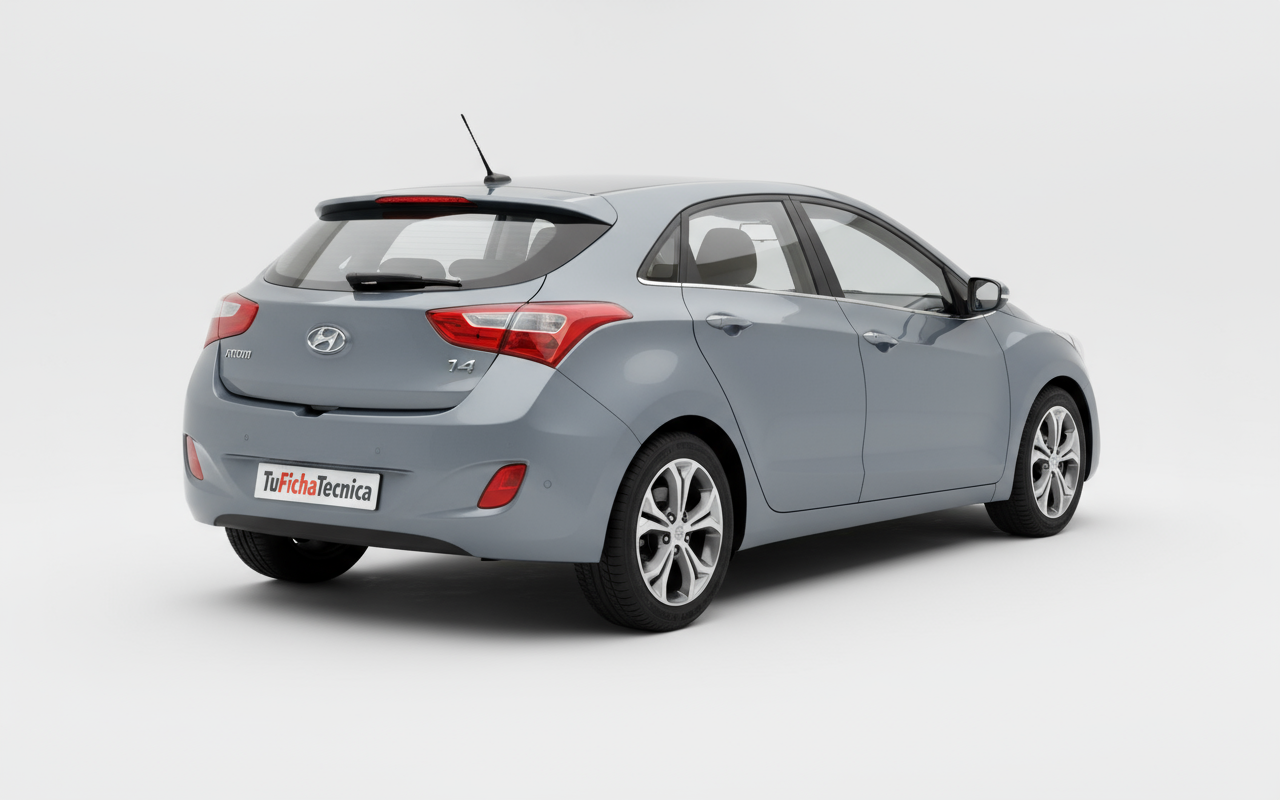
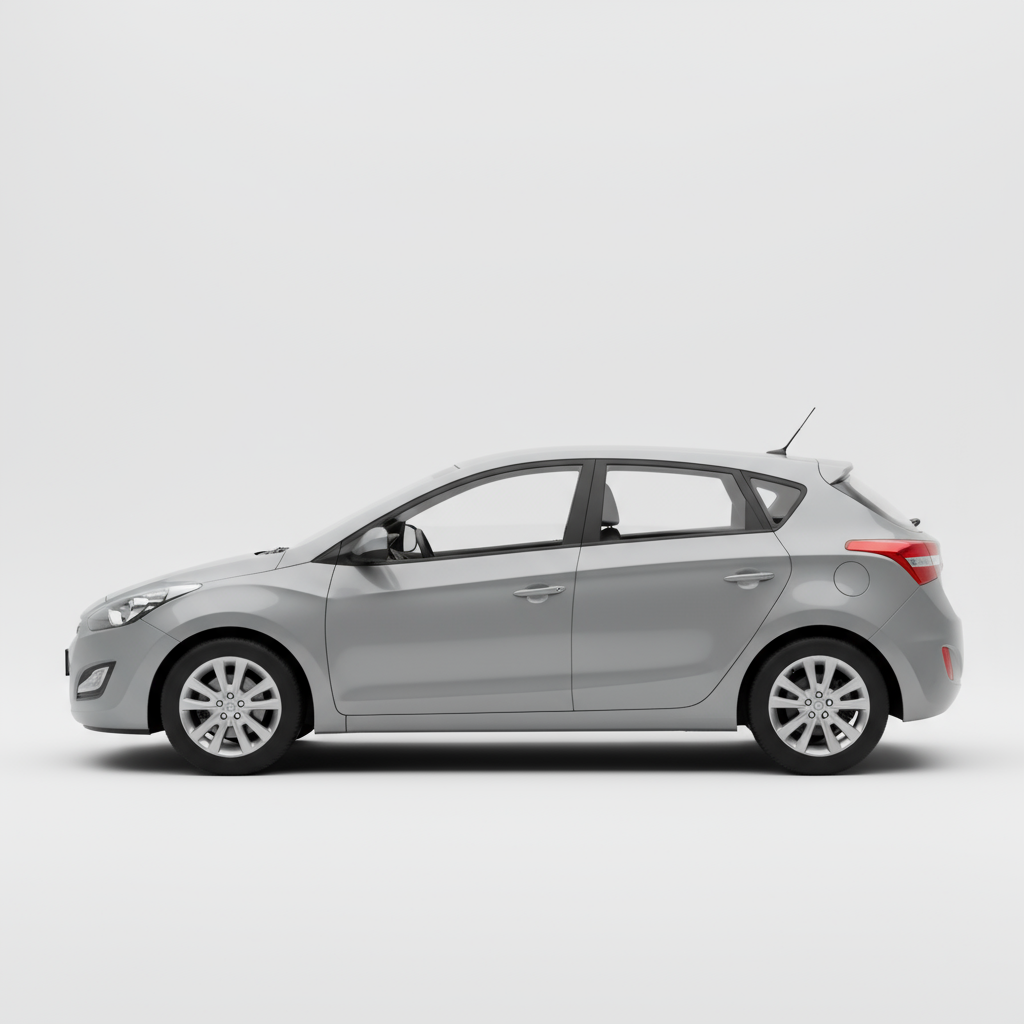
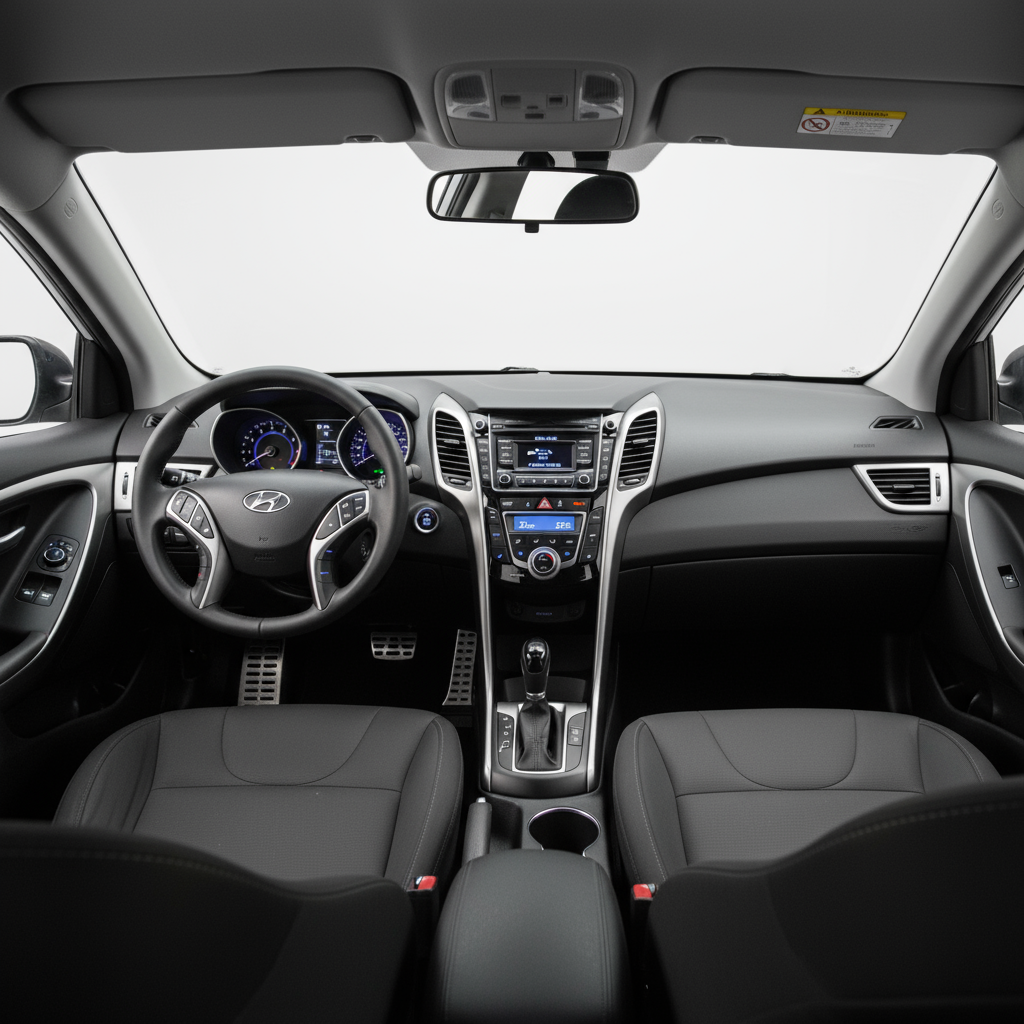
Inspired by the 'Fluidic Sculpture' design language, the 2012 i30 is a work of fluid and dynamic lines that broke with the sobriety of its predecessor. Its body, with a bold hexagonal grille and swept-back headlights, projects constant movement even when stationary. Inside, the qualitative leap is immense, with a modern dashboard, pleasant-to-the-touch materials, and blue lighting that creates a technological and welcoming atmosphere.
Technology and features
In its Tecno S trim, this i30 offered a technological package focused on comfort and safety. Beyond the essentials, it featured elements like electric power steering with variable assistance, which provided great comfort in the city and firmness on the highway. Although it didn't have the touch screens of today, its equipment was comprehensive for its time, proving that useful technology doesn't have to be the most flashy.
Competition
This i30 fearlessly faced the heavyweights of the C-segment, such as the Volkswagen Golf, Ford Focus, or Opel Astra. While its rivals played the card of tradition and sportiness, the Hyundai positioned itself as the smart alternative, offering a bolder design, a superior warranty, and a quality-equipment-price ratio that made more than one loyal European brand buyer hesitate.
Conclusion
The 2012 Hyundai i30 is much more than just a compact car; it is the symbol of a transformation. It represents the rational purchase that also satisfies the heart. A reliable, comfortable, spacious vehicle with a design that has aged with admirable dignity. It is the perfect choice for anyone looking for a loyal and competent travel companion, a car that more than delivers and that, a decade later, remains an extraordinarily sensible option.