
Especificaciones y análisis del Hyundai i30
Power
140HP
Torque
305Nm
Consumption
5.5l/100
Emissions
145g/km
0-100 km/h
10.3s
Top Speed
205km/h
Weight
1429kg
Price
18,050€
Technical summary
Gasóleo
Manual 6v
FWD
5 / 5 doors
340 L
53 L
103 kW
Current
Technical specifications
Engine
Capacities
Detailed analysis of the Hyundai i30 2.0 CRDi Premium · 140 CV (2008-2010)
General description
The 2007 Hyundai i30 was not just another car; it was a statement of intent. With this generation, the Korean brand broke into the heart of the European compact segment, ready to go head-to-head with the big names. Its 140-horsepower 2.0 CRDi engine was the spearhead, a promise of performance and balance that sparked enormous curiosity.
Driving experience
Behind the wheel, the i30 surprises and captivates. The thrust of its 305 Nm of torque feels powerful from low revs, making every overtake a simple and safe maneuver. The six-speed manual gearbox is precise and allows you to squeeze the potential of an engine that feels full and willing. Its chassis, with independent rear suspension, conveys a sense of poise and control that inspires confidence, carving through curves with unexpected grace.
Design and aesthetics
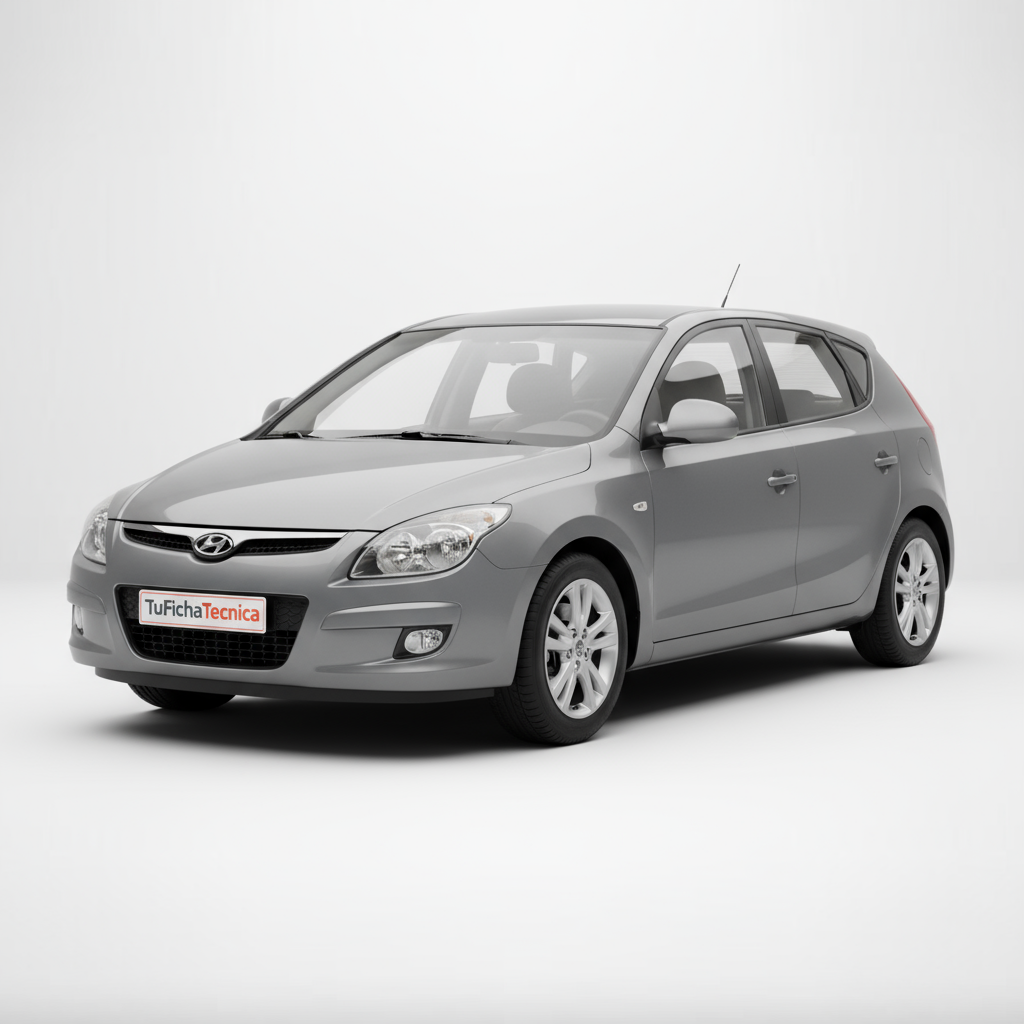
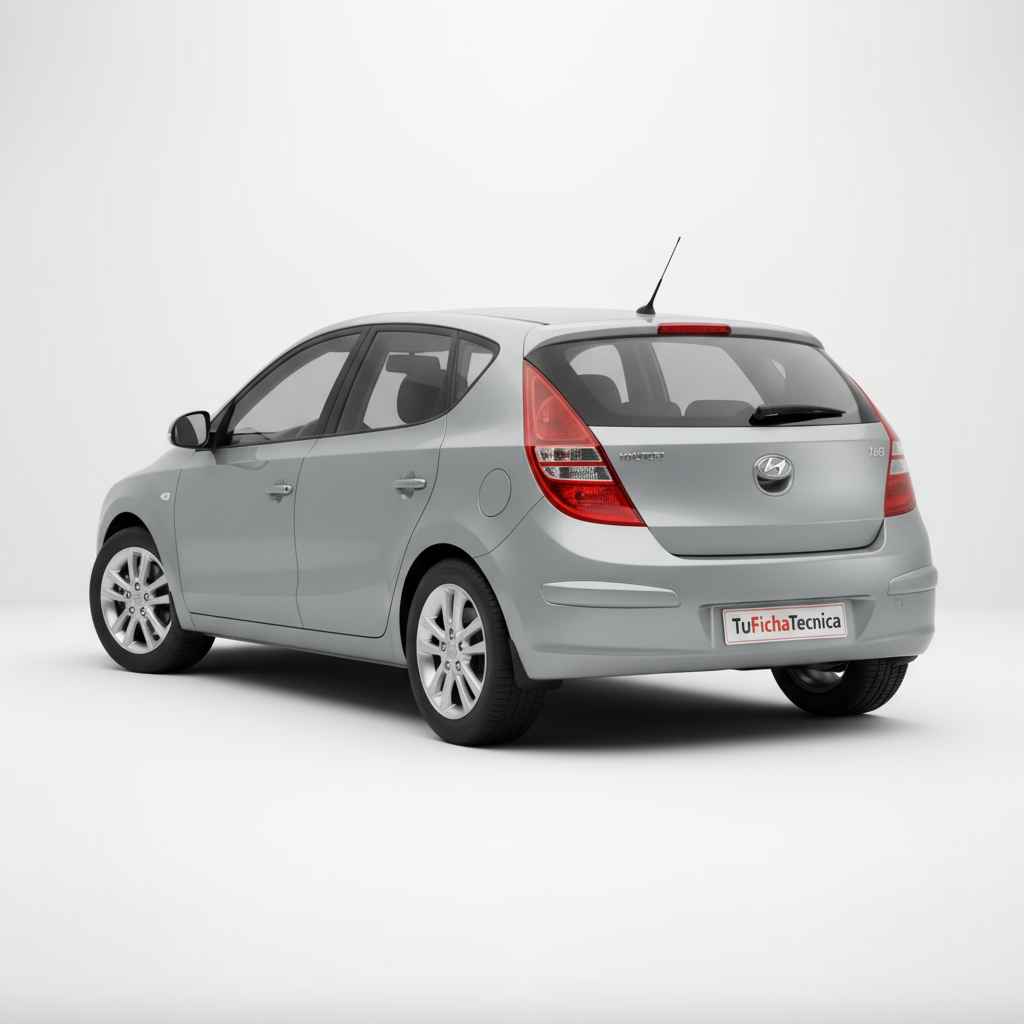
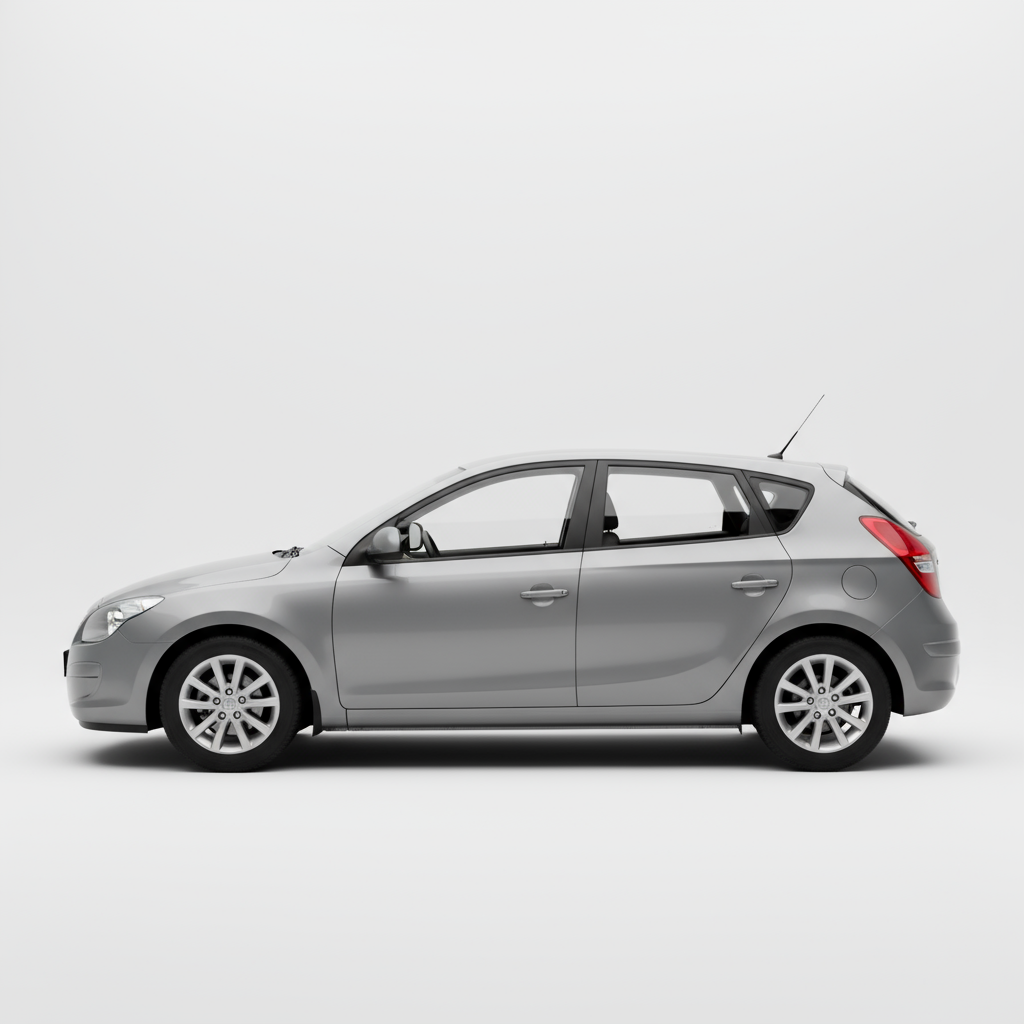
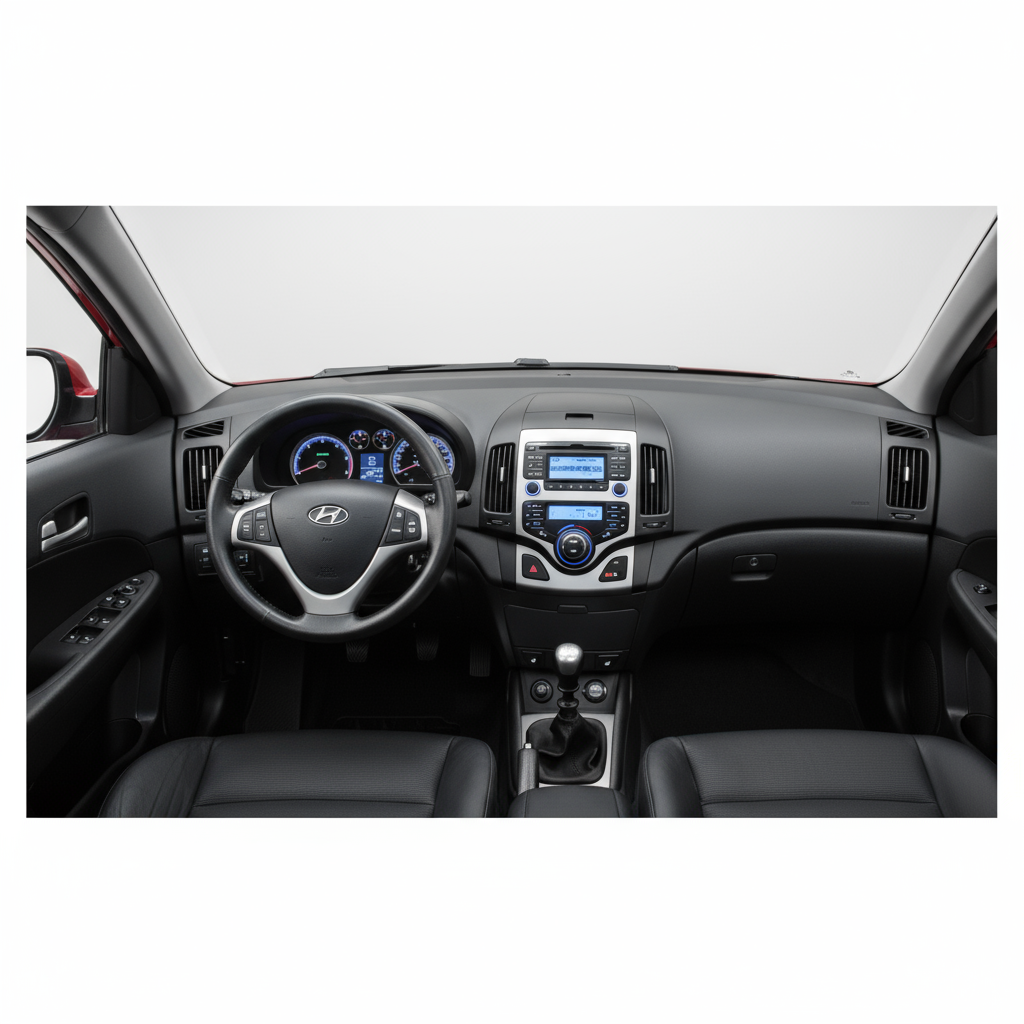
Its design was a breath of fresh air. It left behind bland shapes to embrace a fully European aesthetic language, with fluid lines and a solid presence. The sharp front end and well-resolved rear created a harmonious and attractive whole. Inside, without excessive luxury, it offered a well-built space, with decent materials and ergonomics designed to make life on board easy and pleasant. It was a car that made you feel good.
Technology and features
Under its skin, the i30 hid very competent technical solutions. The common-rail direct-injection diesel engine, with a variable geometry turbo, was a piece of modern engineering that achieved an excellent compromise between performance and adjusted consumption. Furthermore, its multi-link rear suspension setup, something not so common in the segment, was a clear commitment to top-tier dynamic behavior.
Competition
The Hyundai i30 entered a territory dominated by titans like the Volkswagen Golf, the Ford Focus, or the SEAT León. It wasn't easy, but it knew how to play its cards masterfully. Against them, the i30 not only competed in design or handling but also offered generous equipment and a quality-price ratio that shook the foundations of the market. It was the rival nobody expected and that many began to desire.
Conclusion
This Hyundai i30 2.0 CRDi was much more than just a decent car; it was the vehicle that changed the perception of Hyundai in Europe. It proved that you could have a powerful, efficient, well-equipped compact with remarkable dynamic behavior without paying a premium. A well-rounded, honest, and surprisingly passionate car that left an indelible mark.