
Especificaciones y análisis del Hyundai Atos
Power
54HP
Torque
82Nm
Consumption
6.9l/100
Emissions
-g/km
0-100 km/h
15.8s
Top Speed
140km/h
Weight
841kg
Price
9,015€
Technical summary
Gasolina
Automático 4v
FWD
5 / - doors
263 L
35 L
40 kW
Current
Technical specifications
Engine
Capacities
Detailed analysis of the Hyundai Atos Prime 1.0 GLS Aut. · 54 CV (2001)
General description
The 1998 Hyundai Atos is more than just a city car; it's a memory of an era where simplicity and functionality were the true luxury. Born to conquer the city, this little giant proved that you don't need much to move with intelligence and heart, becoming the first car for many and a faithful companion for urban adventures.
Driving experience
Driving the Atos is an experience of pure connection with the essential. Its 54 horsepower, managed by a comfortable automatic gearbox, don't seek records but rather offer surprising agility in the chaos of traffic. It feels light, almost like a toy, and its incredibly small turning radius makes you feel like the king of narrow streets and impossible parking spots. It's an honest, unfiltered drive that reminds you of the pleasure of moving without complications.
Design and aesthetics
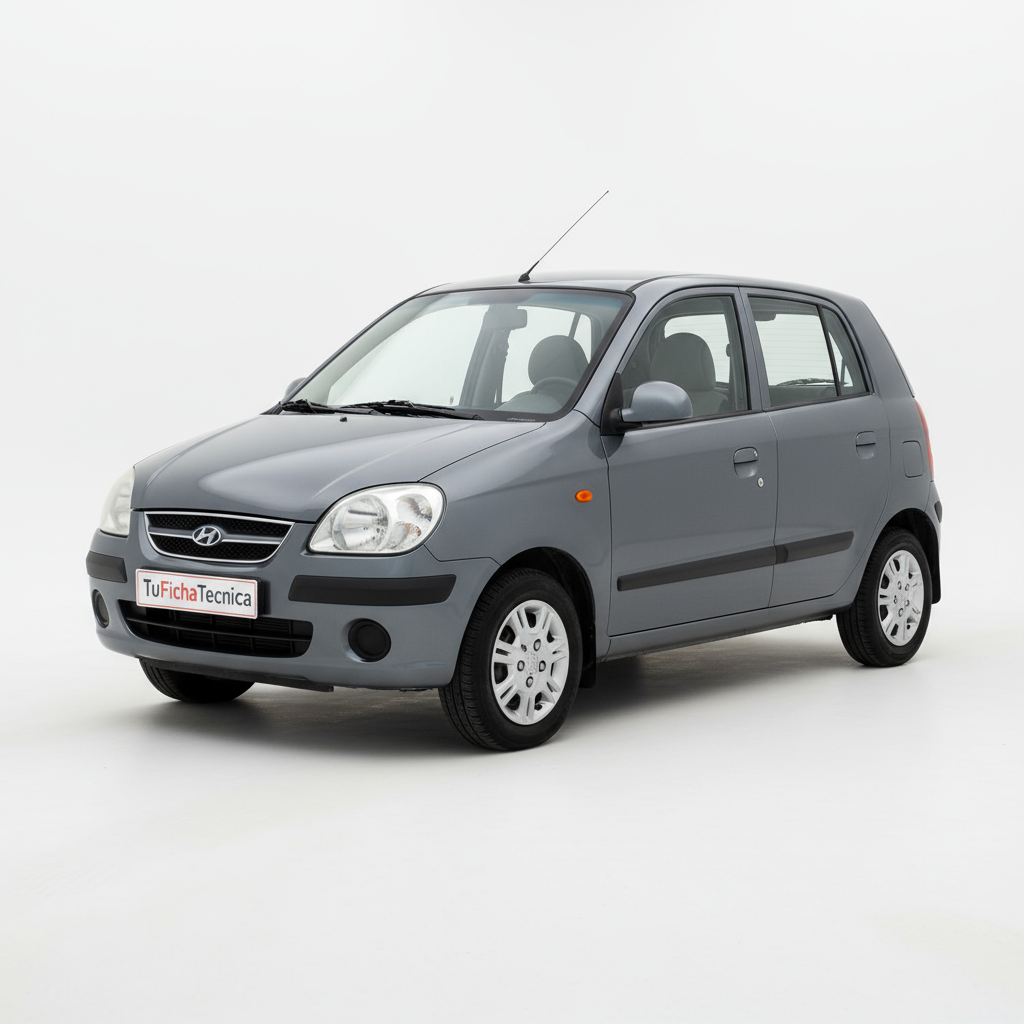
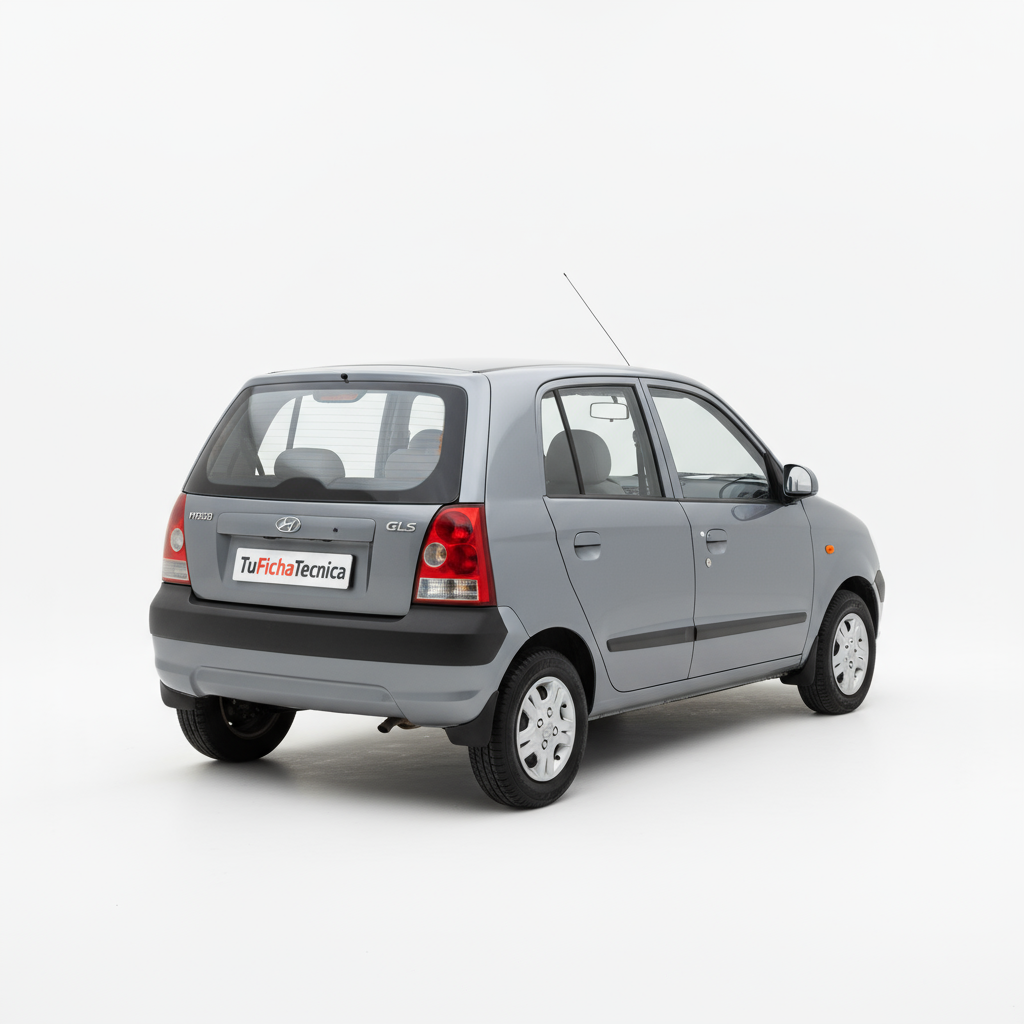
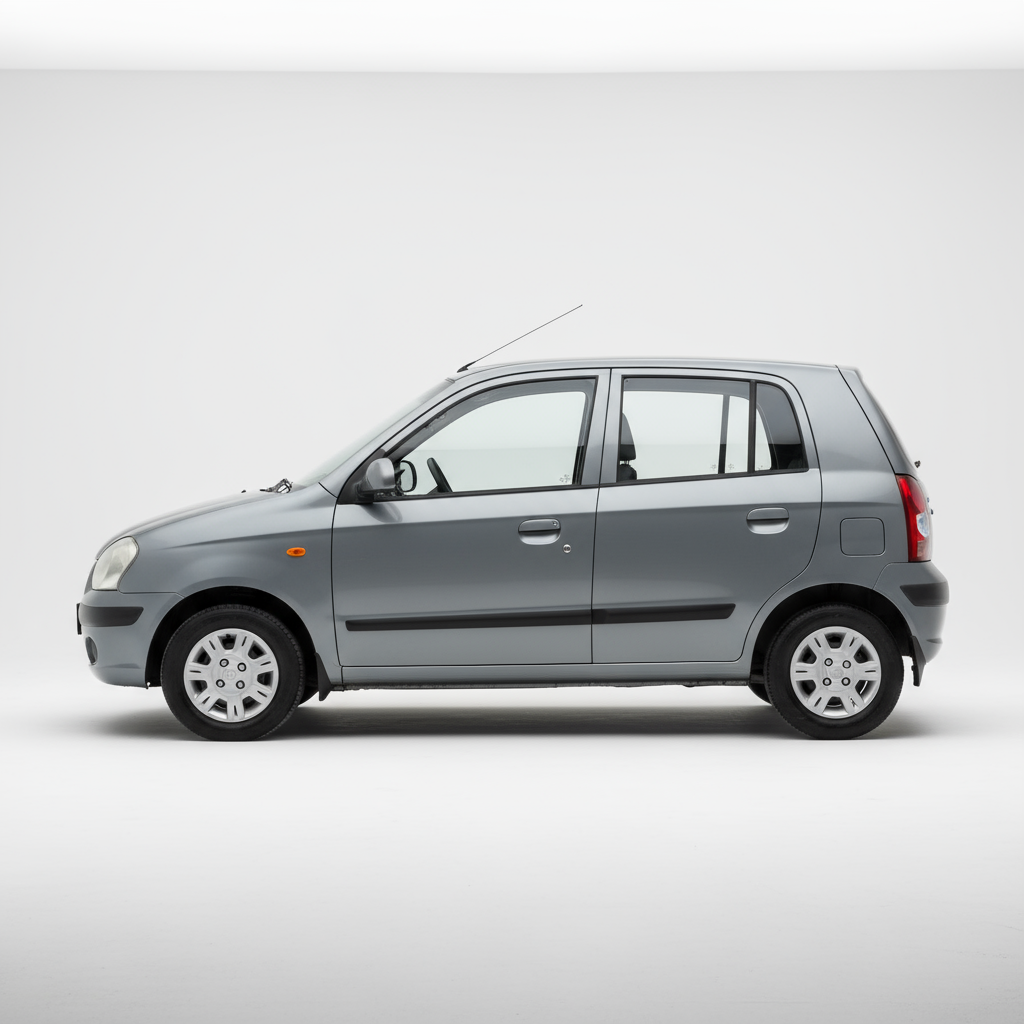
Its design is a statement of intent. With its tall, narrow body, the Atos prioritizes interior space and visibility above all else. It doesn't seek to charm with aggressive lines, but with an almost human-like friendliness and overwhelming practicality. It's an intelligent, unpretentious design that has aged with the dignity of something that knows its true value lies in its utility.
Technology and features
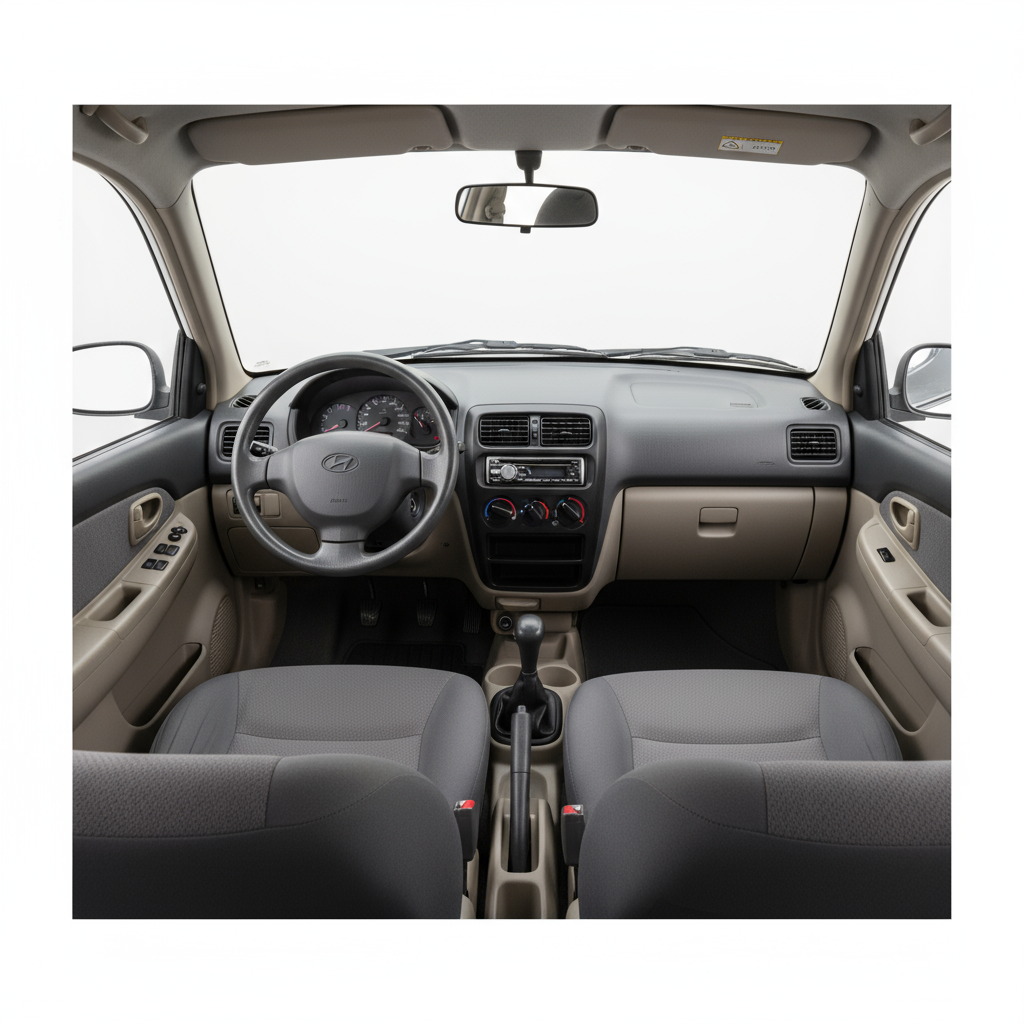
In a world that was beginning to flirt with digitalization, the Atos remained true to mechanical simplicity. Its greatest technological advancement was the 4-speed automatic transmission, a comfort luxury in its segment. Otherwise, it offered just what was necessary: a reliable injection engine and a robust build. It was technology at the service of durability and low cost, not entertainment.
Competition
In the bustling cities of the late 90s, the Atos was not alone. It competed against brave contenders like the Daewoo Matiz, with its equally charismatic design, the SEAT Arosa or the Volkswagen Lupo, which offered German quality in a mini format, and the indestructible Fiat Seicento. It was a battle of wits to offer maximum mobility in minimum space.
Conclusion
The Hyundai Atos is a vehicle that leaves a mark on the heart. It represents the freedom of accessible and uncomplicated mobility. More than a car, it was a brilliant and economical solution for daily life, a small urban hero whose reliability and practical spirit deserve to be remembered. It's proof that greatness sometimes comes in the smallest packages.