
Especificaciones y análisis del Ford Focus
Power
145HP
Torque
250Nm
Consumption
-l/100
Emissions
-g/km
0-100 km/h
11.4s
Top Speed
137km/h
Weight
1700kg
Price
33,490€
Technical summary
Eléctrico
Automático 1v
FWD
5 / 5 doors
237 L
- L
107 kW
Current
Technical specifications
Engine
Capacities
Detailed analysis of the Ford Focus Berlina Electric · 145 CV (2014-2015)
General description
The Ford Focus Electric represented one of the first and most serious attempts by a traditional manufacturer to bring electric mobility to the masses. It was not a car designed from scratch, but the adaptation of a bestseller, the Focus, to a purely electric heart. A brave move that transports us to the dawn of the electric era, when every kilometer of range was a conquest and every charging point, an oasis.
Driving experience
Getting behind the wheel of the Focus Electric is to rediscover urban driving. The silence is absolute, broken only by the murmur of the tires. The response of the 145 hp engine is instantaneous; the 250 Nm of torque pushes you with a smoothness and immediacy that no combustion engine of the time could match in the city. Although its acceleration doesn't break records, the feeling of agility is constant. It feels heavy, yes, its 1700 kg are noticeable, but the excellent base of the Focus chassis allows it to move with a surprising composure and poise, turning every journey into a serene and fluid experience.
Design and aesthetics
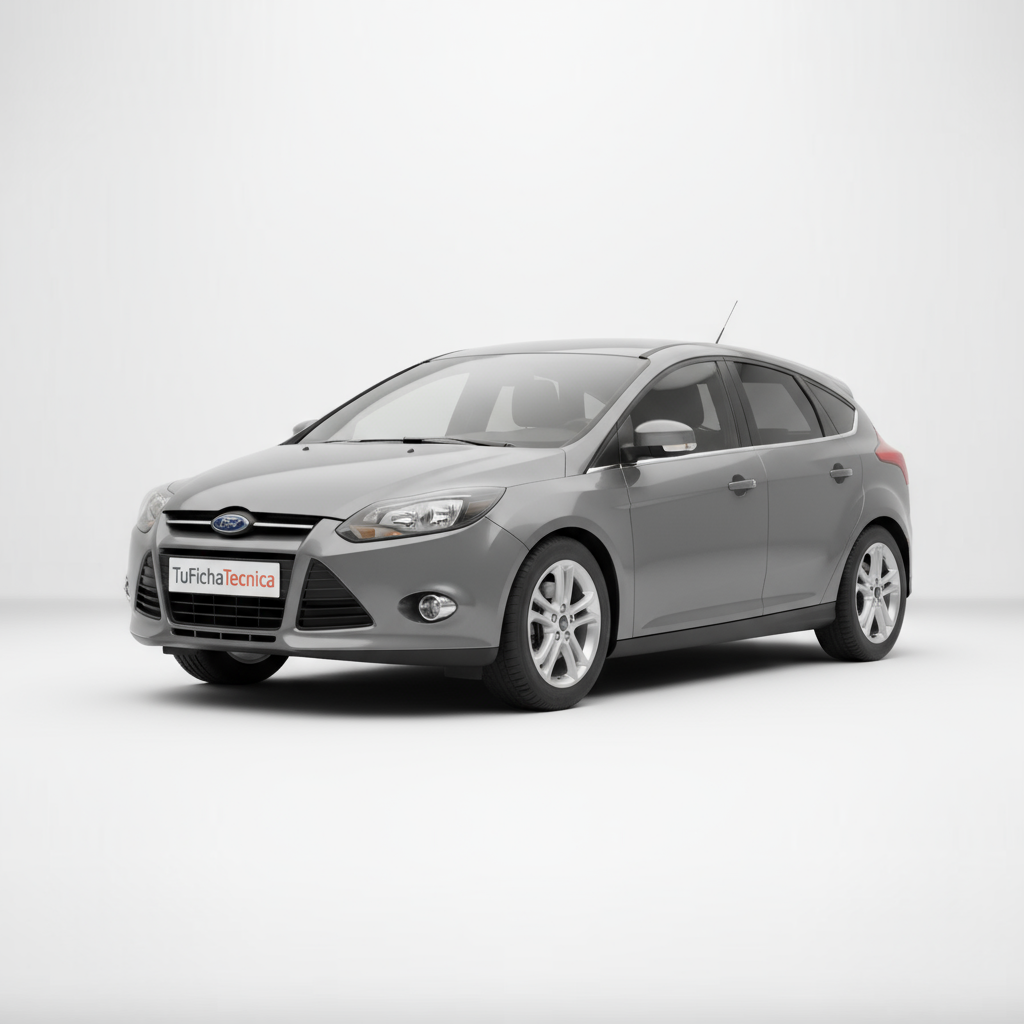
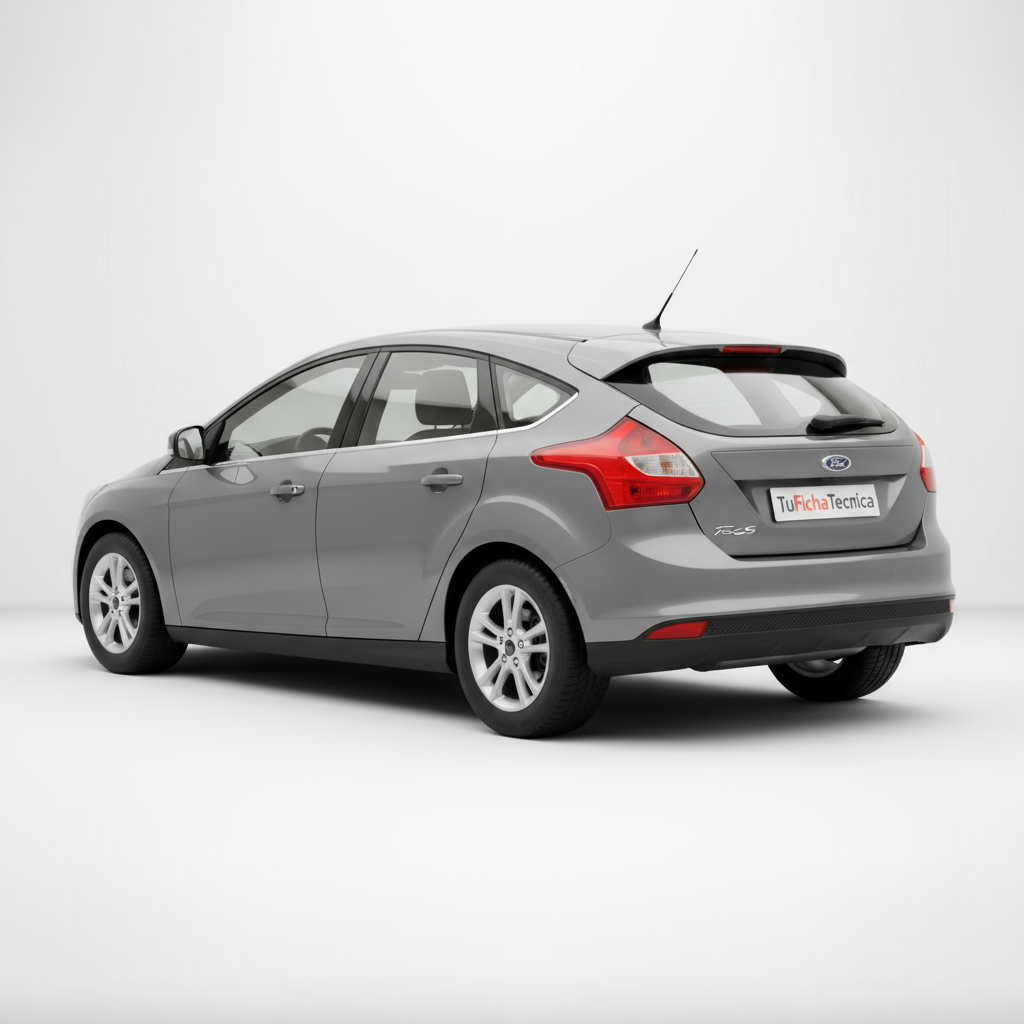
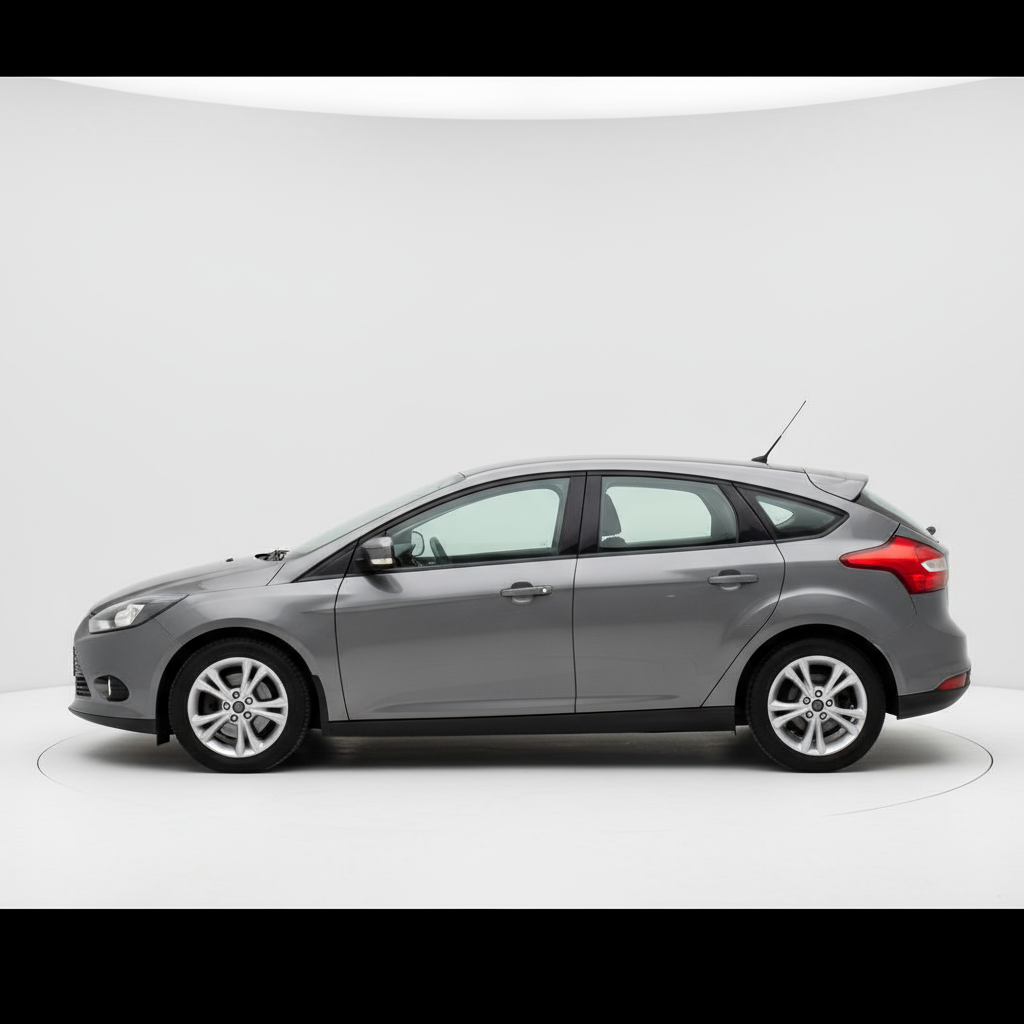
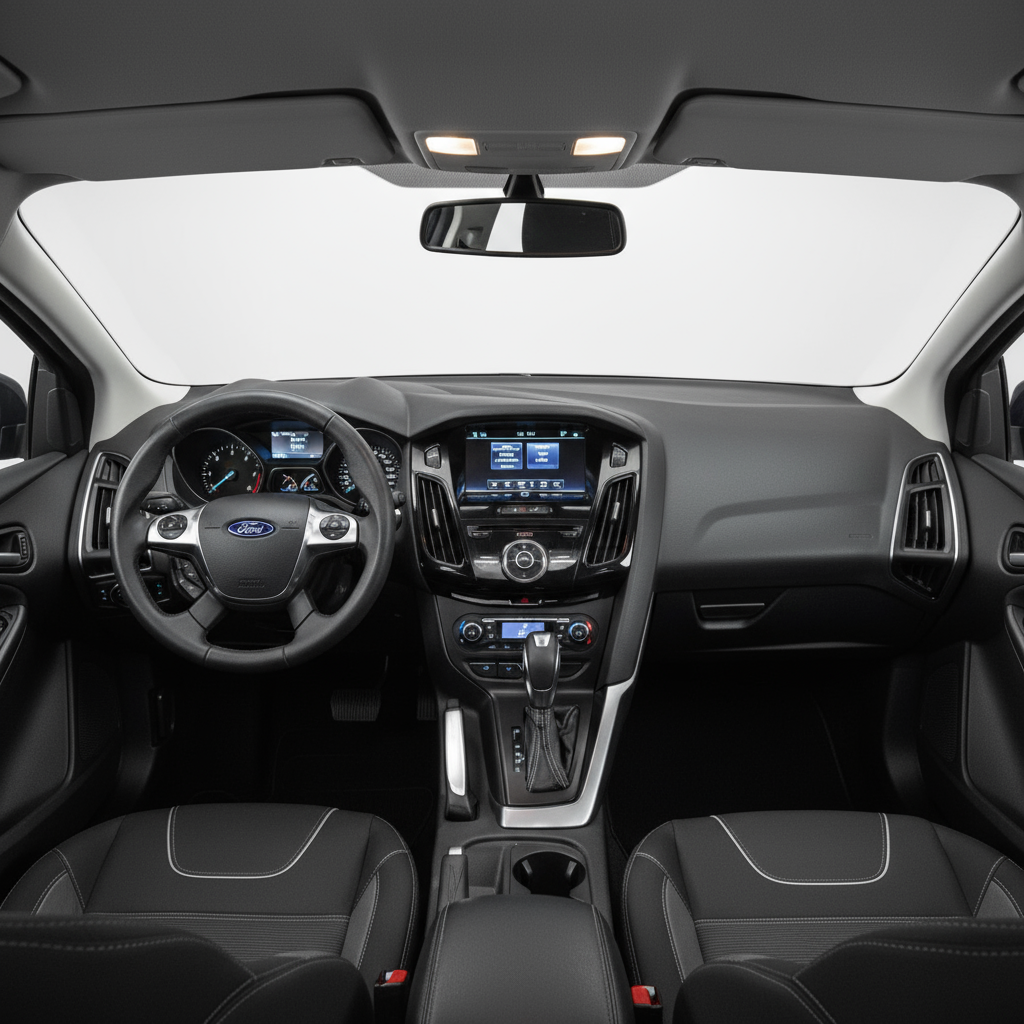
Its appearance is deliberately familiar, almost an act of camouflage. At first glance, it is a third-generation Ford Focus, with its dynamic and recognizable lines. Only the details give it away: the specific front grille that elegantly hides the charging port, the aerodynamically designed wheels, and the discreet 'Electric' emblems. Inside, the story repeats itself. The space is that of a Focus, but the instrumentation is transformed with screens that tell us about energy and efficiency. The great compromise is found in the trunk, where the battery claims its space and reduces the capacity to a mere 237 liters, an inevitable toll of this early electrification.
Technology and features
The technology of this Focus was cutting-edge for its time, although it may seem modest to us today. Its 23 kWh battery was the heart of everything, a promise of emission-free mobility that in practice translated into a limited real-world range, ideal for urban environments but a challenge for long trips. It lacked DC fast charging, relying on a full charge in about 7 hours, which required planning. The regenerative braking system was its ally, recovering energy with each deceleration and teaching us a new, more efficient and conscious way of driving.
Competition
In the nascent market of 2014, the Focus Electric was not alone in its adventure. Its great rival, the pioneer and undisputed leader, was the Nissan Leaf, the car that proved that an everyday electric car was possible. It also faced the Volkswagen e-Golf, which followed a very similar philosophy to Ford's by electrifying a successful model, and the revolutionary BMW i3, which opted for a futuristic design and innovative materials. All of them were explorers in an unknown territory, competing to define the future of motoring.
Conclusion
The Ford Focus Electric is a fascinating piece in the history of the electric car. It was a logical and well-executed attempt to offer an electric experience in a familiar and appreciated package. Its smooth and silent driving is captivating, but its practical limitations, such as the short range and a very small trunk, made it a niche product. More than a sales success, it was a statement of intent and a valuable test bed. Today we look at it with affection, as a precursor that, with its successes and failures, helped pave the way for the electric mobility we enjoy today.