
Especificaciones y análisis del Ford Fiesta
Power
60HP
Torque
105Nm
Consumption
6.9l/100
Emissions
-g/km
0-100 km/h
16s
Top Speed
155km/h
Weight
1006kg
Price
9,530€
Technical summary
Gasolina
Manual 5v
FWD
5 / 3 doors
250 L
40 L
44 kW
Current
Technical specifications
Engine
Capacities
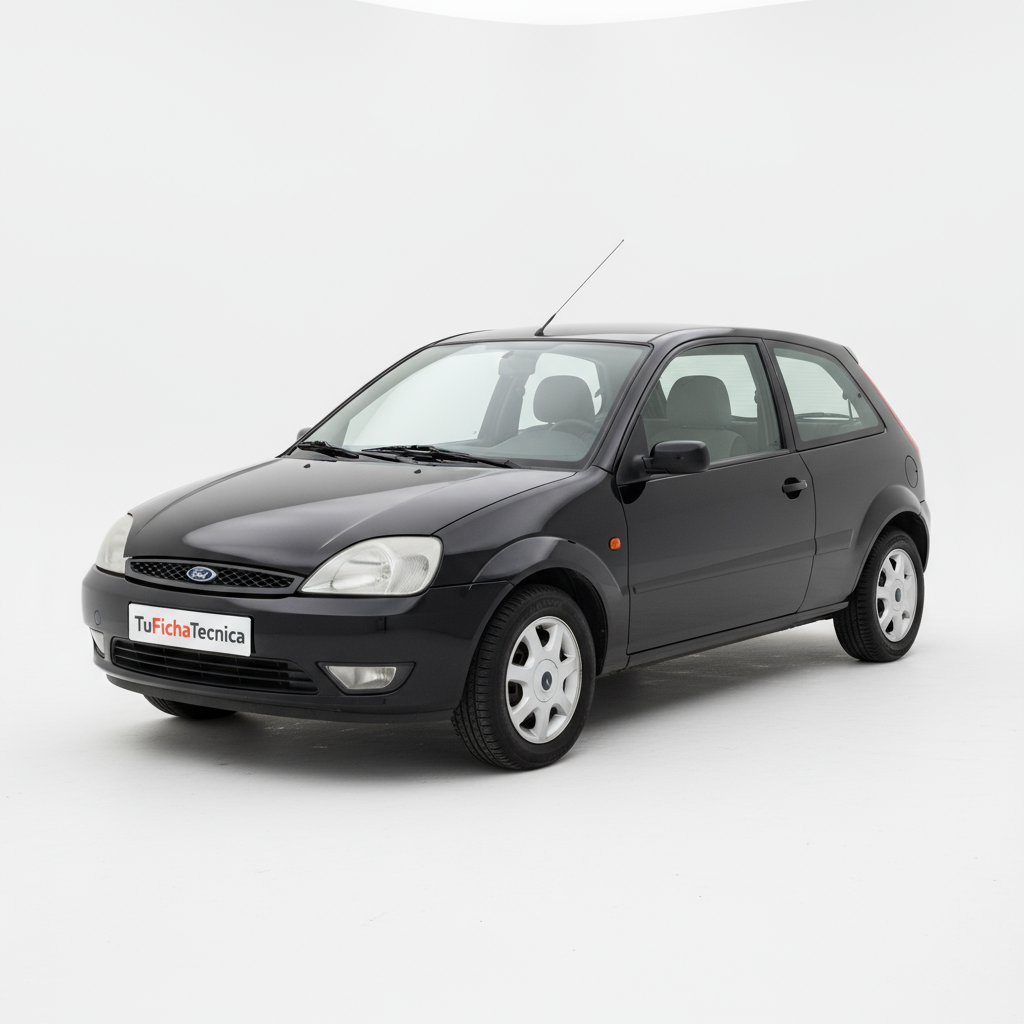
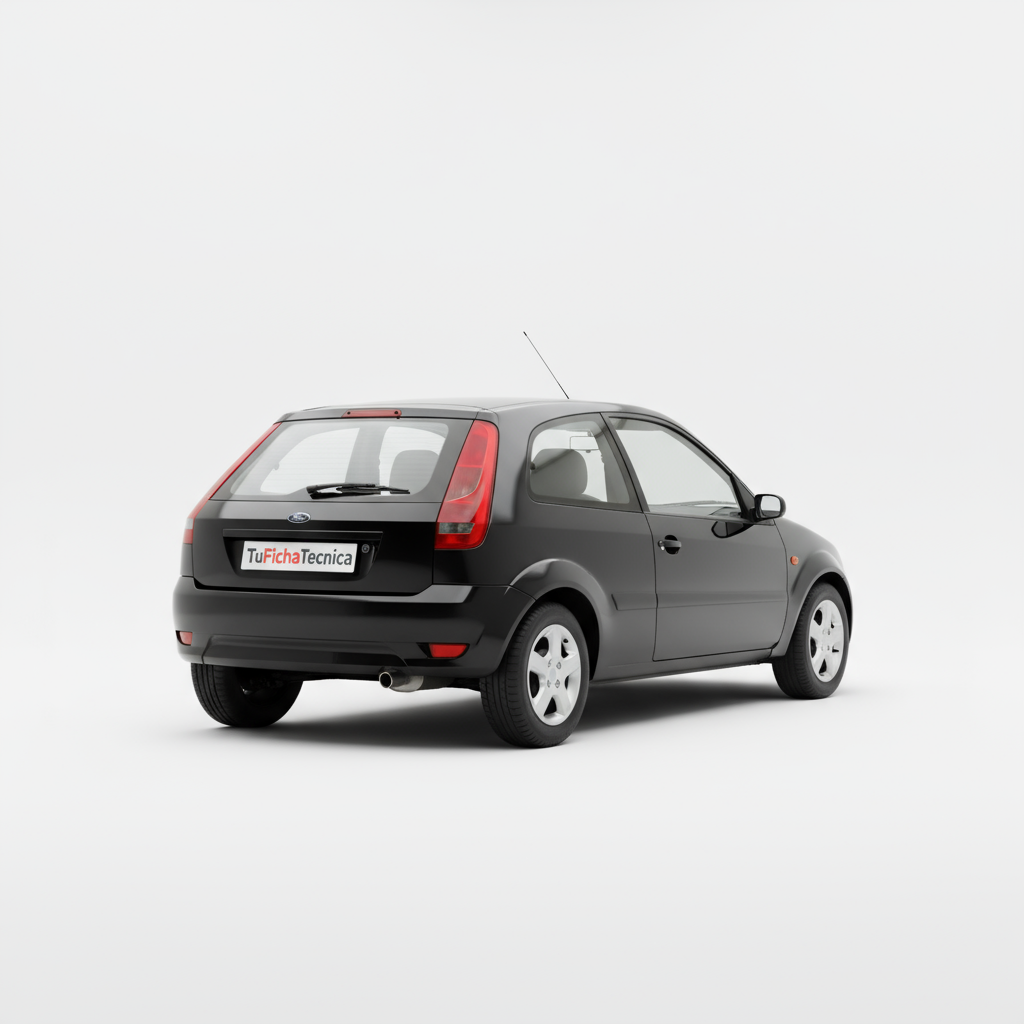
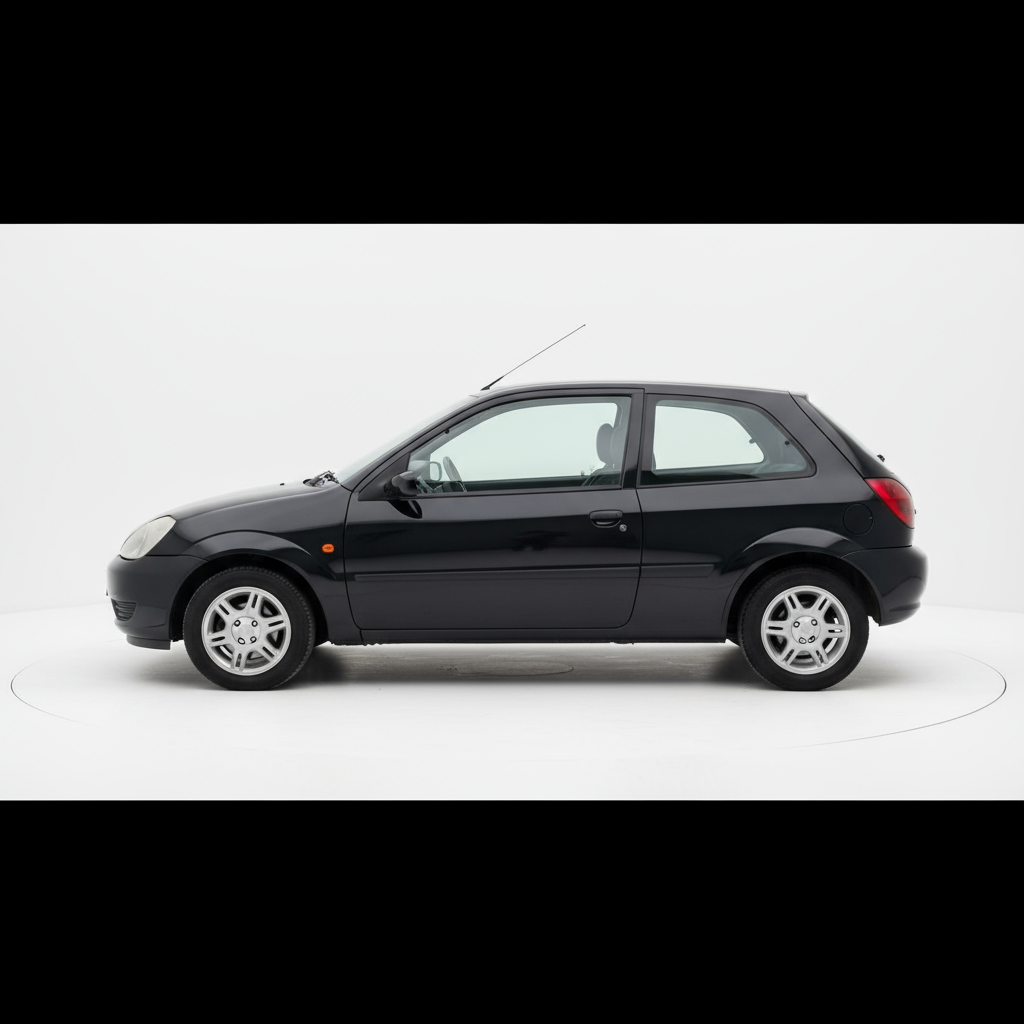
Detailed analysis of the Ford Fiesta Trend 1.3 EFI 3p · 60 CV (1999-2002)
General description
The 1999 Ford Fiesta is much more than a simple utility car; it's the echo of an era where motoring focused on freedom and simplicity. With its modest 60-horsepower engine, it wasn't born to break records, but to be a tireless daily companion, an unforgettable first car, or the faithful vehicle that took you anywhere without asking for anything in return. It represents pure, accessible mobility, full of memories.
Driving experience
Getting behind the wheel of this Fiesta is an analog experience, deeply connected to the asphalt. Its 60 horsepower and five-speed manual transmission invite an active driving style, where every gear change is felt. Its lightness makes it an agile and lively car in the city, its natural habitat. There are no electronic filters, just the direct response of the engine and chassis, a sense of pure control that modern cars have forgotten and that makes you feel the true pulse of the road.
Design and aesthetics
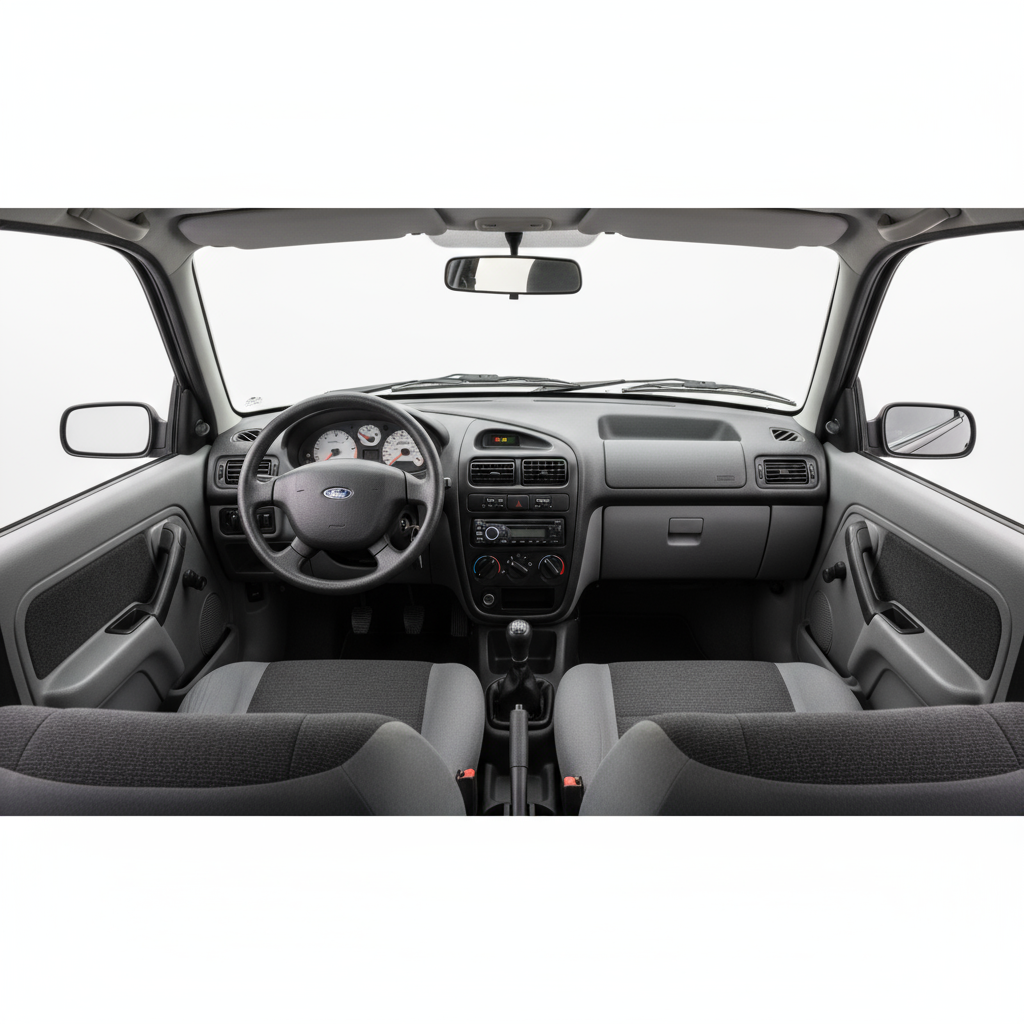
Framed within Ford's 'New Edge' design language, its aesthetics combine soft curves with sharp edges, creating a compact silhouette with character that has aged with dignity. The three-door body gives it a youthful and dynamic touch. Inside, simplicity is the norm, with a functional and robust dashboard where everything is within easy reach. It's an honest design, made for real life, without unnecessary frills.
Technology and features
The technology of this Fiesta lies in its brilliant mechanical simplicity. Its heart is an electronic injection engine, an advance for its time, known for its robustness and ease of maintenance. It lacks the assists and screens we take for granted today, offering in return bomb-proof reliability. It is the machine in its purest state, a set of parts designed to work in harmony for decades with minimal care.
Competition
At its launch, it faced segment titans like the Opel Corsa, Renault Clio, or Peugeot 206. In such a competitive market, the Fiesta managed to shine on its own thanks to superior dynamic behavior, a hallmark of Ford. It offered an agility and a connection with the driver that many of its competitors could not match, becoming the choice for those who loved driving even on their daily commutes.
Conclusion
This Ford Fiesta is not a luxury object or a high-performance beast; it is a loyal friend. It is a piece of automotive history that is still perfectly valid for modern life if reliability is valued above all else. It represents the joy of driving in its most essential form and the certainty of having a vehicle that, with care, will always be there for you. It is, in short, a popular classic that has won the hearts of generations.