
Especificaciones y análisis del Fiat Multipla
Power
103HP
Torque
145Nm
Consumption
9.1l/100
Emissions
161g/km
0-100 km/h
13.5s
Top Speed
168km/h
Weight
1545kg
Price
22,930€
Technical summary
Gasolina o gas natural
Manual 5v
FWD
6 / 5 doors
430 L
- L
76 kW
Current
Technical specifications
Engine
Capacities
Detailed analysis of the Fiat Multipla 1.6 Metano BiPower · 103 CV (2008-2009)
General description
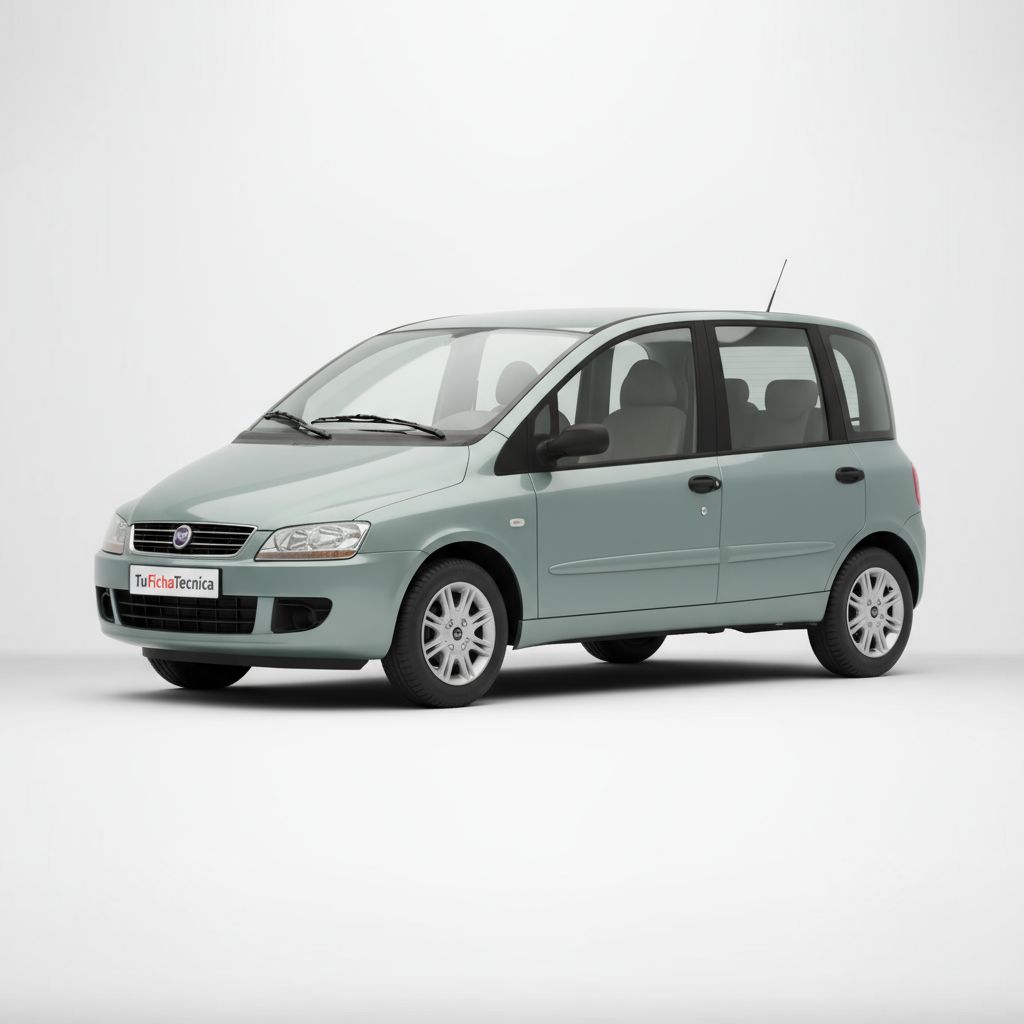
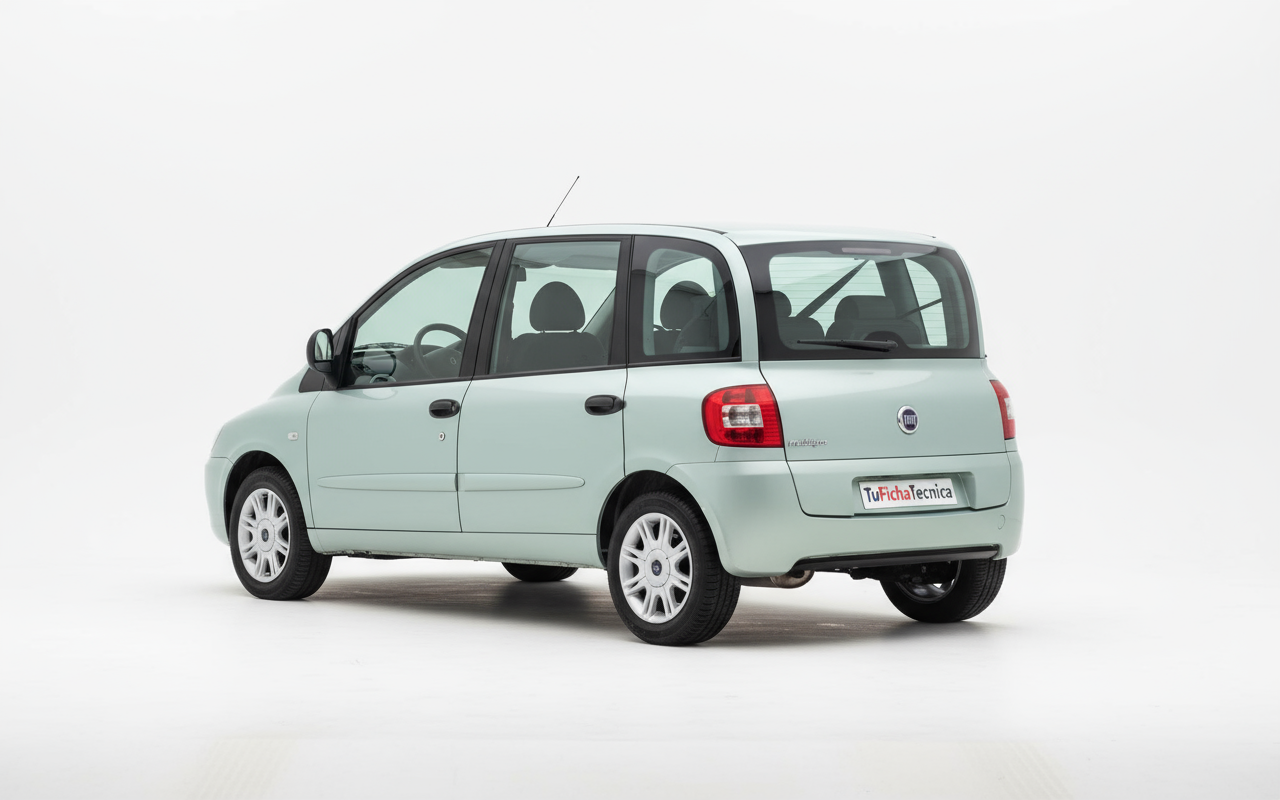
The Fiat Multipla is not just a car; it's a statement of intent, a manifesto on wheels that challenged all aesthetic conventions to deliver unprecedented functionality. Born to be different, this MPV was etched into the collective memory as a vehicle you either love or hate, but one that never leaves you indifferent. Its purpose was clear: to maximize space and versatility for the family, creating a unique and shared travel experience.
Driving experience
Driving a Multipla is an experience that reconnects you with the essence of travel. Its 103 horsepower doesn't aim for speed records but rather offers a smooth and serene ride, ideal for enjoying the scenery and company. The incredible glass surface floods the cabin with light, creating an unparalleled sense of spaciousness and freedom. Its BiPower engine, capable of running on gasoline or natural gas, provides economic and ecological peace of mind, knowing that every kilometer is kinder to your wallet and the environment.
Design and aesthetics
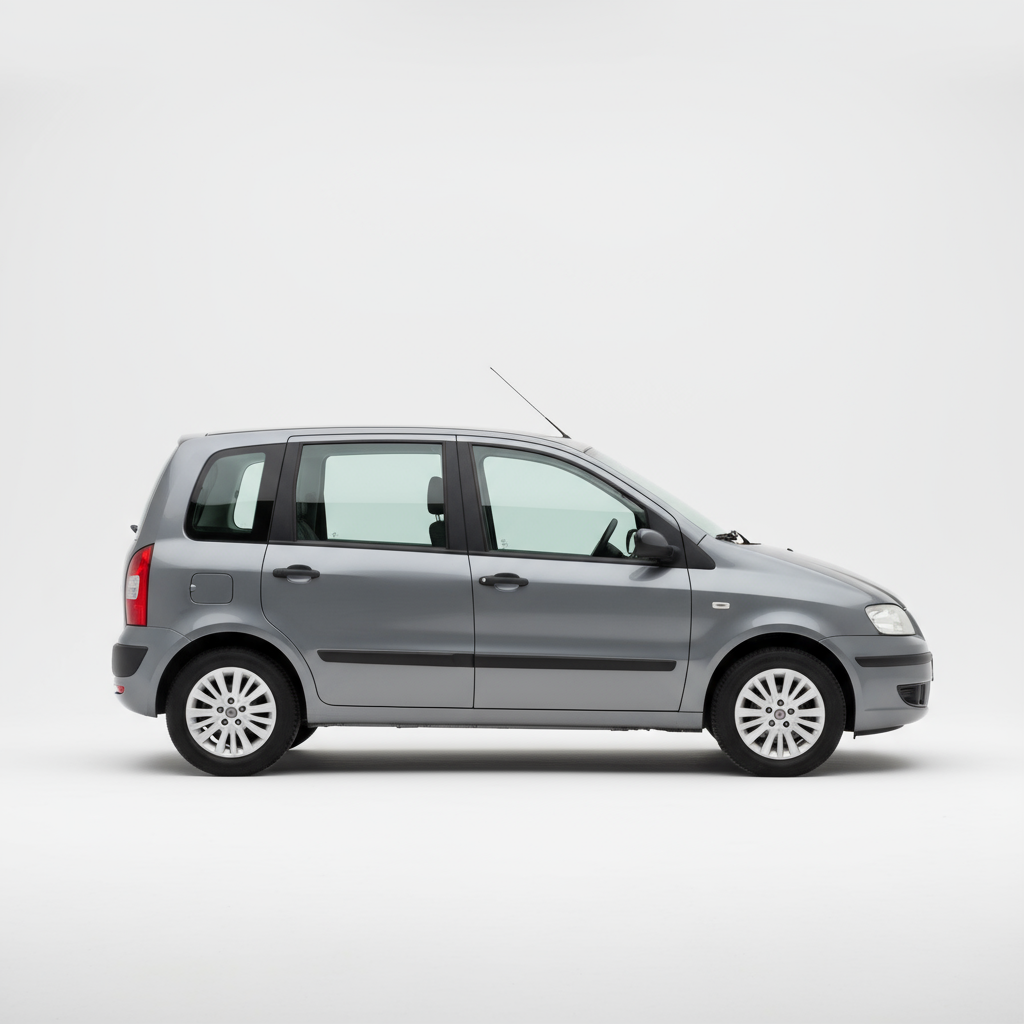
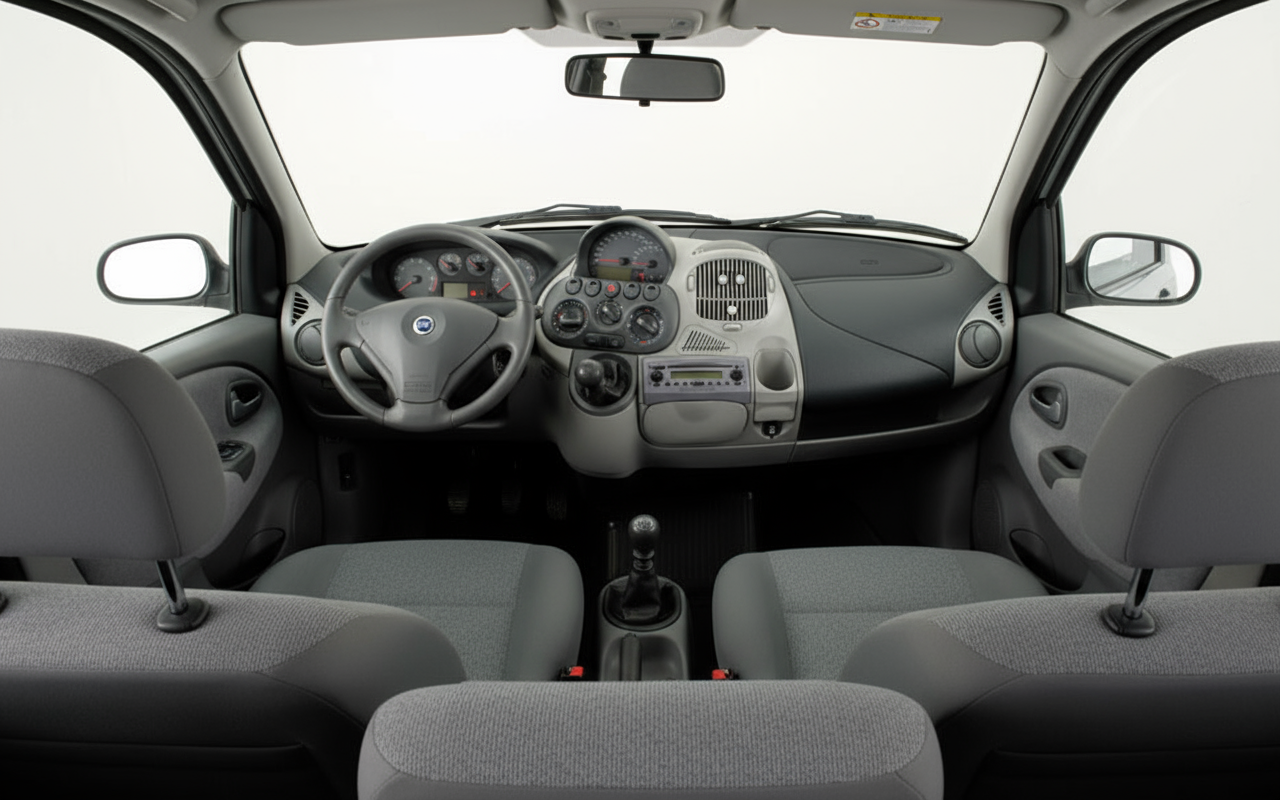
The design of the Fiat Multipla is its soul and its controversy. Its two-tiered structure, with that 'step' below the windshield, was a stroke of audacity that prioritized visibility and interior space above all else. With a surprising width, it accommodates six passengers in two rows of three seats, a unique configuration that encourages interaction. The interior is equally revolutionary, grouping all the instrumentation in the center of the dashboard, creating an almost symmetrical driving position. It is the beauty of the functional.
Technology and features
The Multipla's true technological gem does not lie in advanced screens or assistants, but in its BiPower heart. At a time when alternative fuels were a rarity, Fiat opted for a dual system of gasoline and compressed natural gas (CNG), earning it the prized ECO label. This engineering, focused on efficiency and sustainability, was its cutting edge. The rest of its equipment was simple and functional, without distractions, focusing on the innovative mobility solution it represented.
Competition
Finding a direct rival for the Multipla is almost impossible due to its unique 3+3 seating configuration. While compact MPVs like the Renault Scénic or the Citroën Xsara Picasso dominated the market, none offered that 'lounge on wheels' feeling. Perhaps its closest competitor in spirit was the Honda FR-V, which also adopted a similar layout. However, the Multipla always played in its own league, a category created by and for it.
Conclusion
The Fiat Multipla is much more than a car with a peculiar appearance; it is an icon of practical intelligence and courage in automotive design. It was a brilliant solution for a family's needs, a vehicle that understood that the journey is as important as the destination. Although its aesthetics were polarizing, its legacy is that of a car with an immense soul, a space for sharing life that is missed today. A cult classic that proved that true beauty lies in intelligence.