
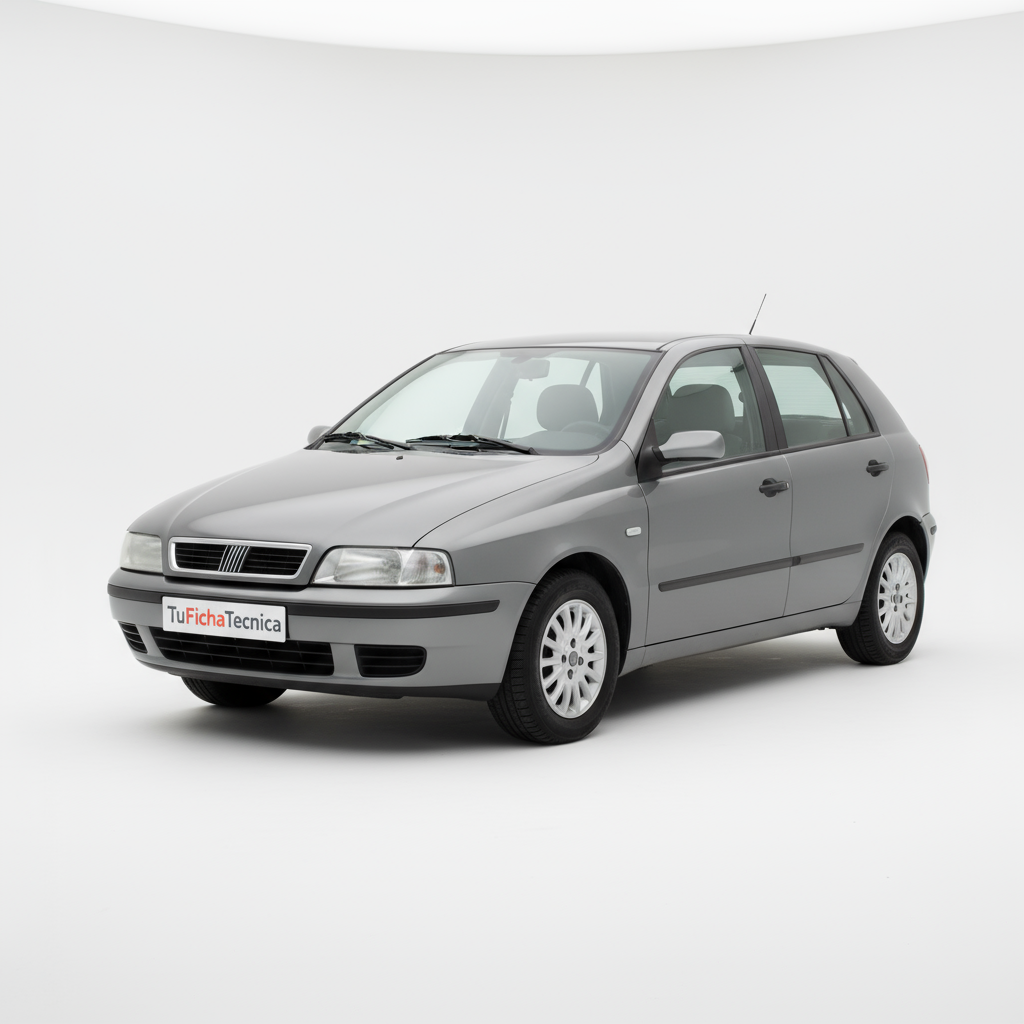

Especificaciones y análisis del Fiat Brava
Power
105HP
Torque
200Nm
Consumption
5.5l/100
Emissions
-g/km
0-100 km/h
10.6s
Top Speed
185km/h
Weight
1270kg
Price
15,716€
Technical summary
Gasóleo
Manual 5v
FWD
5 / 5 doors
380 L
60 L
77 kW
Current
Technical specifications
Engine
Capacities
Detailed analysis of the Fiat Brava JTD 105 Steel · 105 CV (1999-2001)
General description
The Fiat Brava JTD 105 Steel burst onto the scene at the turn of the millennium as a breath of fresh air and Italian character in the competitive compact segment. It wasn't just a car; it was the materialization of a diesel revolution for Fiat, bringing innovative common-rail technology to a mass audience and promising an intoxicating combination of economy, performance, and a design that left no one indifferent.
Driving experience
Getting behind the wheel of the Brava JTD was to discover an elasticity and responsiveness unthinkable for a diesel of its time. Its 105 horsepower and generous torque available from very low revs pinned you to the seat with surprising joy, making every overtake a simple and safe maneuver. It felt agile, with steering that communicated just enough to enjoy the curves and a chassis that, without being sporty, inspired confidence. The sound of the JTD engine, although present, had a mechanical nuance that evoked power and efficiency, a perfect soundtrack for long trips where its ridiculously low consumption of 5.5 liters made you feel like the king of the road.
Design and aesthetics
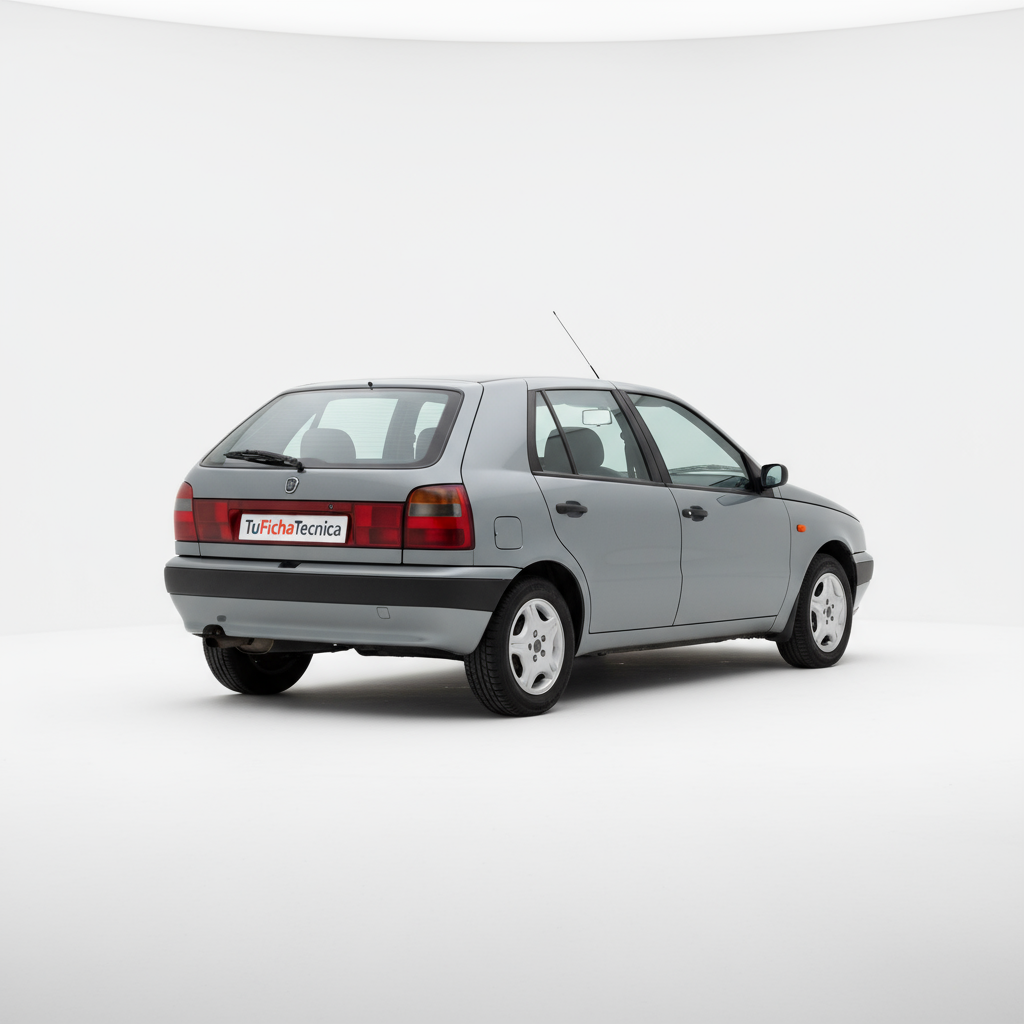
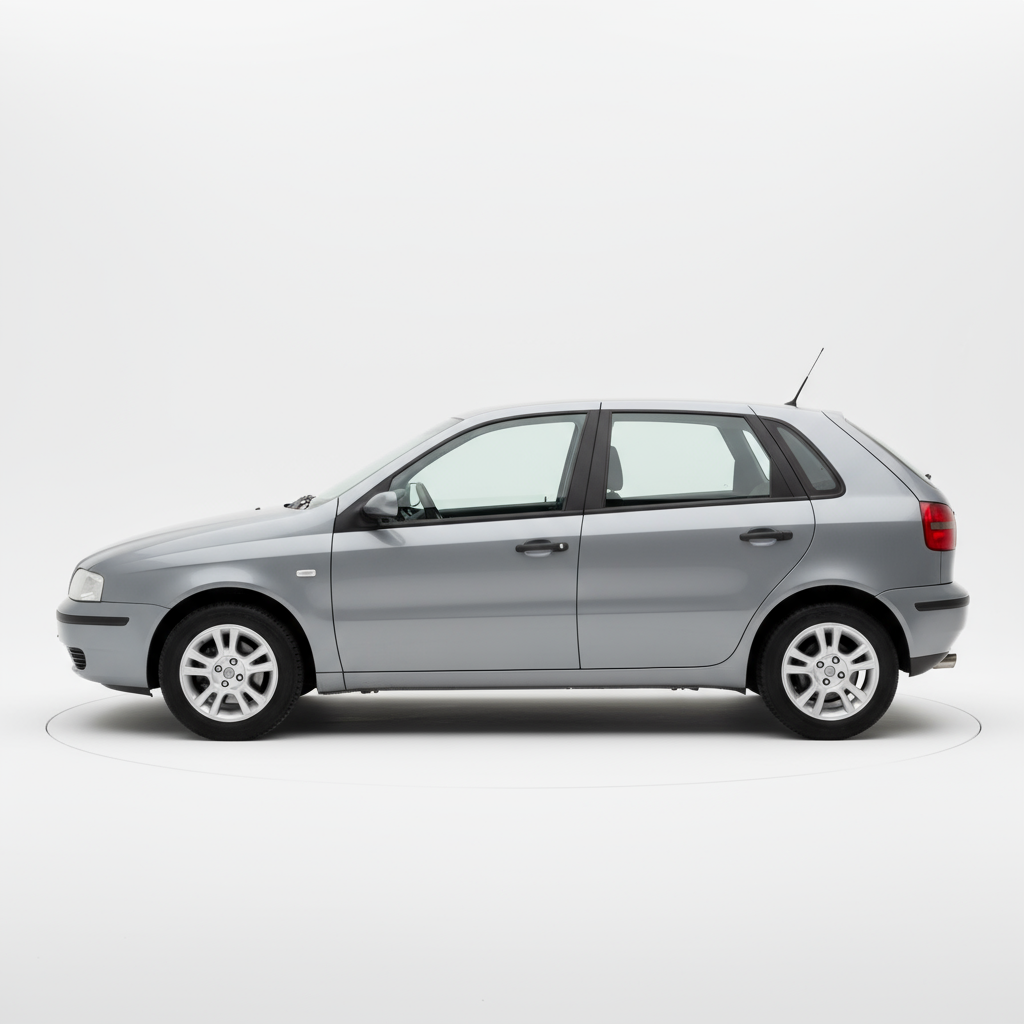
The design of the Fiat Brava was pure Italian emotion. It broke with the sobriety of its competitors through a bold silhouette and a rear end that is automotive design history. Those small, characteristic horizontal taillights, divided into three, were an unmistakable signature, a touch of originality that gave it an overwhelming personality. It was a car that you looked at twice, a functional sculpture that managed to balance the practicality of its five doors with an aesthetic that, even today, evokes nostalgia and admiration.
Technology and features
The crown jewel was, without a doubt, its 1.9 JTD engine. It was one of the pioneers in democratizing common-rail direct injection, a technology that transformed diesel engines forever, making them smoother, more powerful, and more frugal. Beyond its mechanical heart, the Brava offered a decent equipment level for its time, focused on driving efficiency with elements like power steering or stabilizer bars, without the electronic complexities of today. Its focus was clear: innovation was under the hood, at the service of sensations and efficiency.
Competition
The Brava fought on a battlefield dominated by titans. It went head-to-head with the untouchable Volkswagen Golf IV and its powerful TDIs, with the dynamically superior first-generation Ford Focus, and with bestsellers like the Opel Astra G or the Renault Mégane. Against them, the Fiat Brava didn't just compete on price; it played the heart card, offering a design with soul and a JTD engine that, in terms of refinement and power delivery, looked down on many of its rivals.
Conclusion
The Fiat Brava JTD 105 was a brave and significant car. It proved that a diesel could be exciting and that a family car didn't have to be boring. It represents a high point for Fiat, a moment when Italian engineering and design came together to create a well-rounded, reliable, and passionate product. Although time may have overshadowed it compared to other names, its legacy endures in every common-rail engine and in the memory of a diesel driving experience that, for the first time, felt truly alive.