
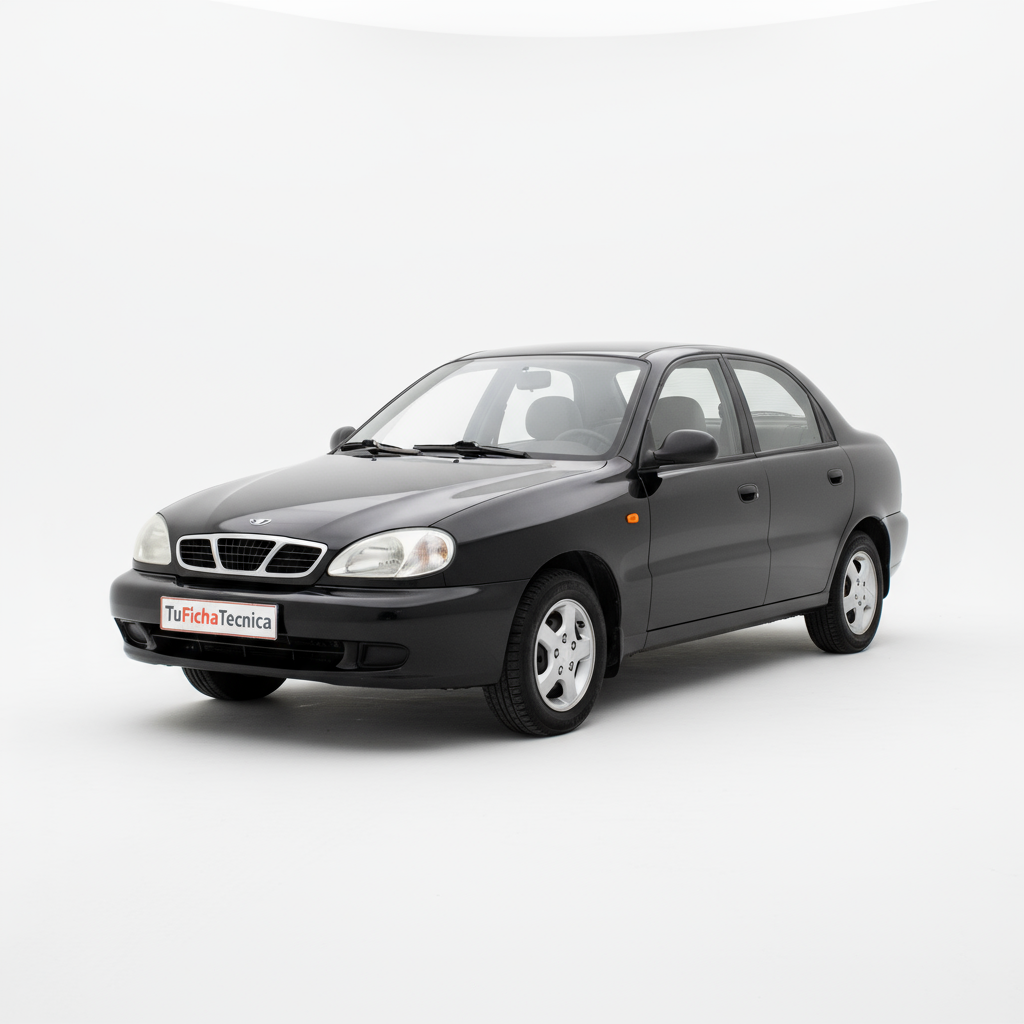
Especificaciones y análisis del Daewoo Lanos 1997
Power
106HP
Torque
145Nm
Consumption
8.2l/100
Emissions
-g/km
0-100 km/h
11.5s
Top Speed
180km/h
Weight
1057kg
Price
11,335€
Technical summary
Gasolina
Manual 5v
FWD
5 / 5 doors
250 L
48 L
78 kW
Current
Technical specifications
Engine
Capacities
Detailed analysis of the Daewoo Lanos 5p 1.6 16v SX Plus · 106 CV (2001)
General description
The Daewoo Lanos burst onto the market like a breath of fresh air, a promise of accessible and uncomplicated mobility. This model, born in the late 90s, represented the Korean brand's effort to conquer the heart of Europe with a practical, economical, and surprisingly well-equipped vehicle for its price. It didn't aim to be a leader, but a faithful daily companion, a smart choice that took you wherever you needed to go with a smile.
Driving experience
Getting behind the wheel of the 106-horsepower Lanos 1.6 is to rediscover a pure and direct driving experience. Its engine feels energetic and willing, revving up with an infectious joy. With a contained weight and a five-speed manual gearbox, the connection to the asphalt is immediate. It's not a sports car, but its agility in the city and its response on the road make you feel in complete control, an analog and gratifying sensation that modern cars often forget.
Design and aesthetics
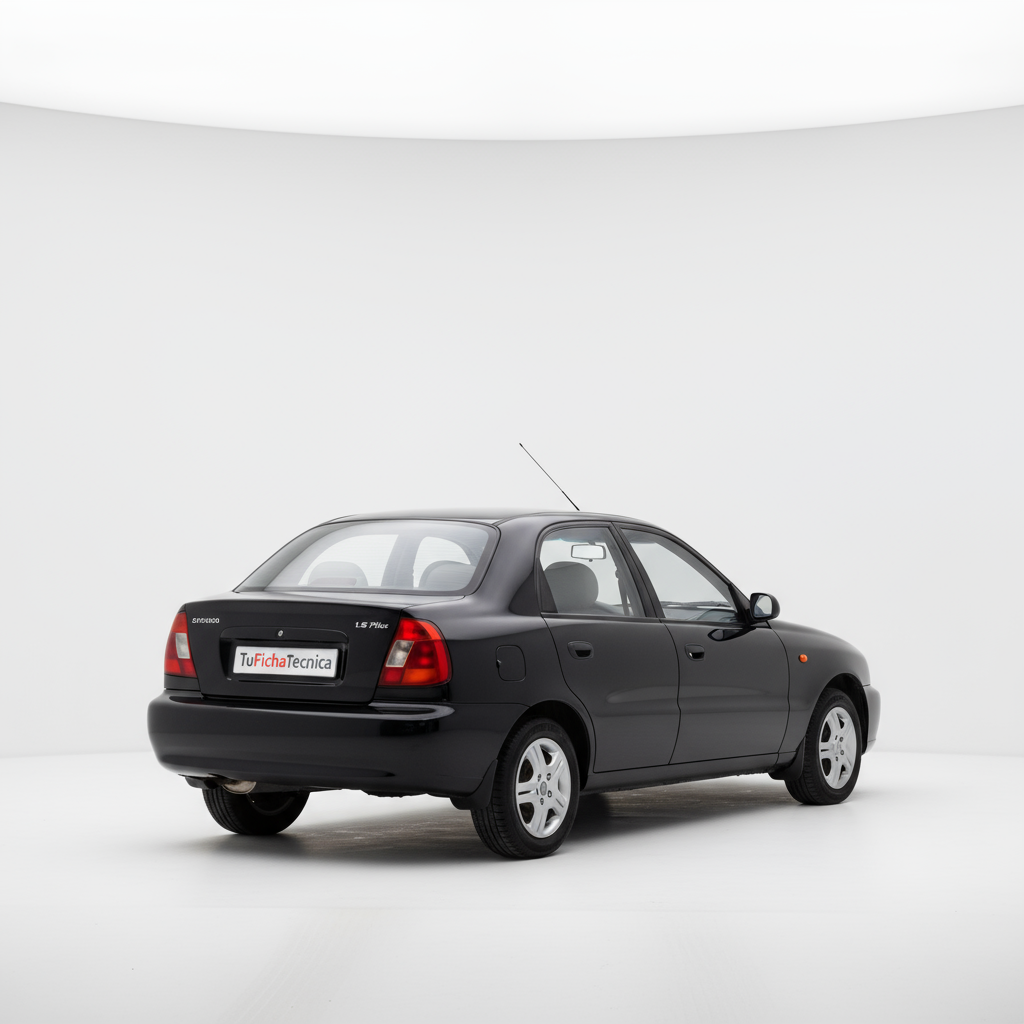
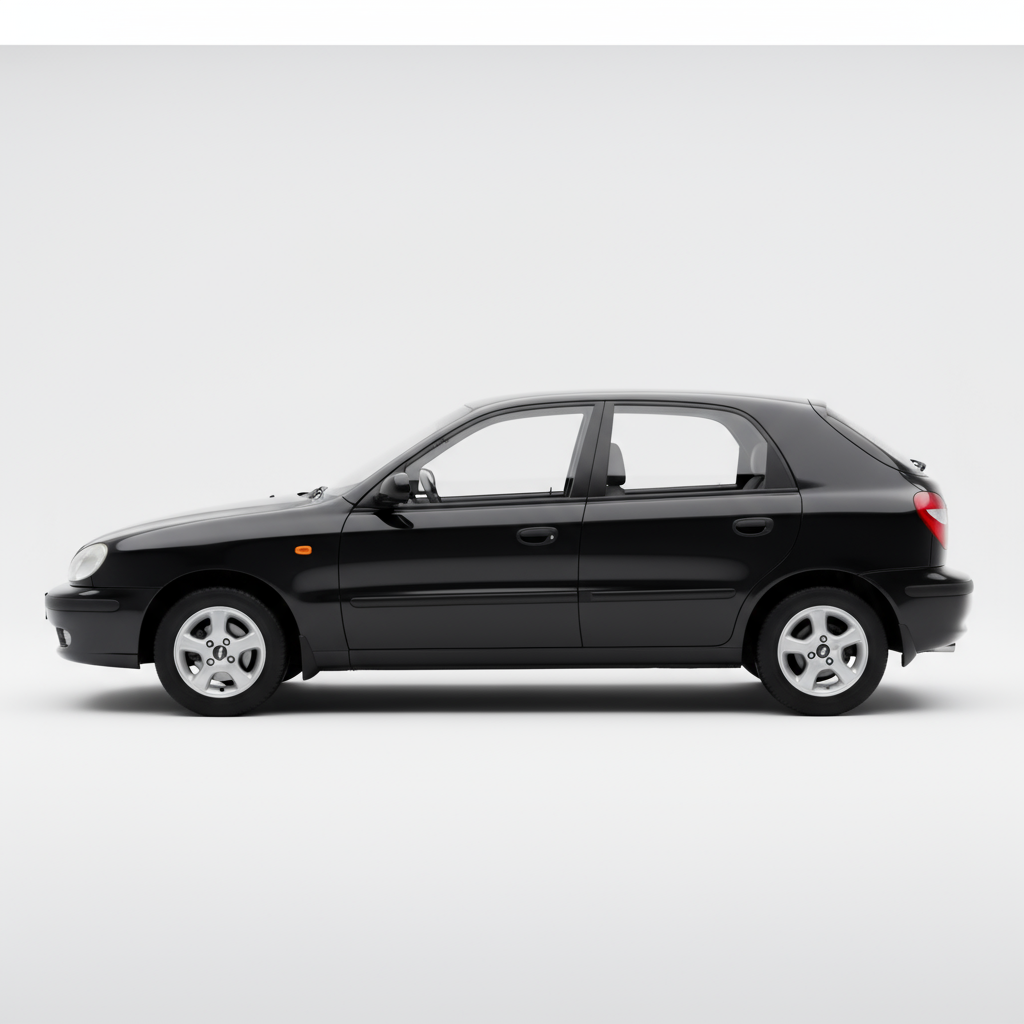
The lines of the Daewoo Lanos, the work of the prestigious Italdesign studio by Giugiaro, are a reflection of its era. Soft, rounded, and friendly shapes that shun aggression to offer a likable and functional image. Its design wasn't meant to turn heads, but to convey confidence and practicality, especially in this versatile five-door body style. Today, its aesthetics evoke a nostalgia for a simpler and more honest automotive design.
Technology and features
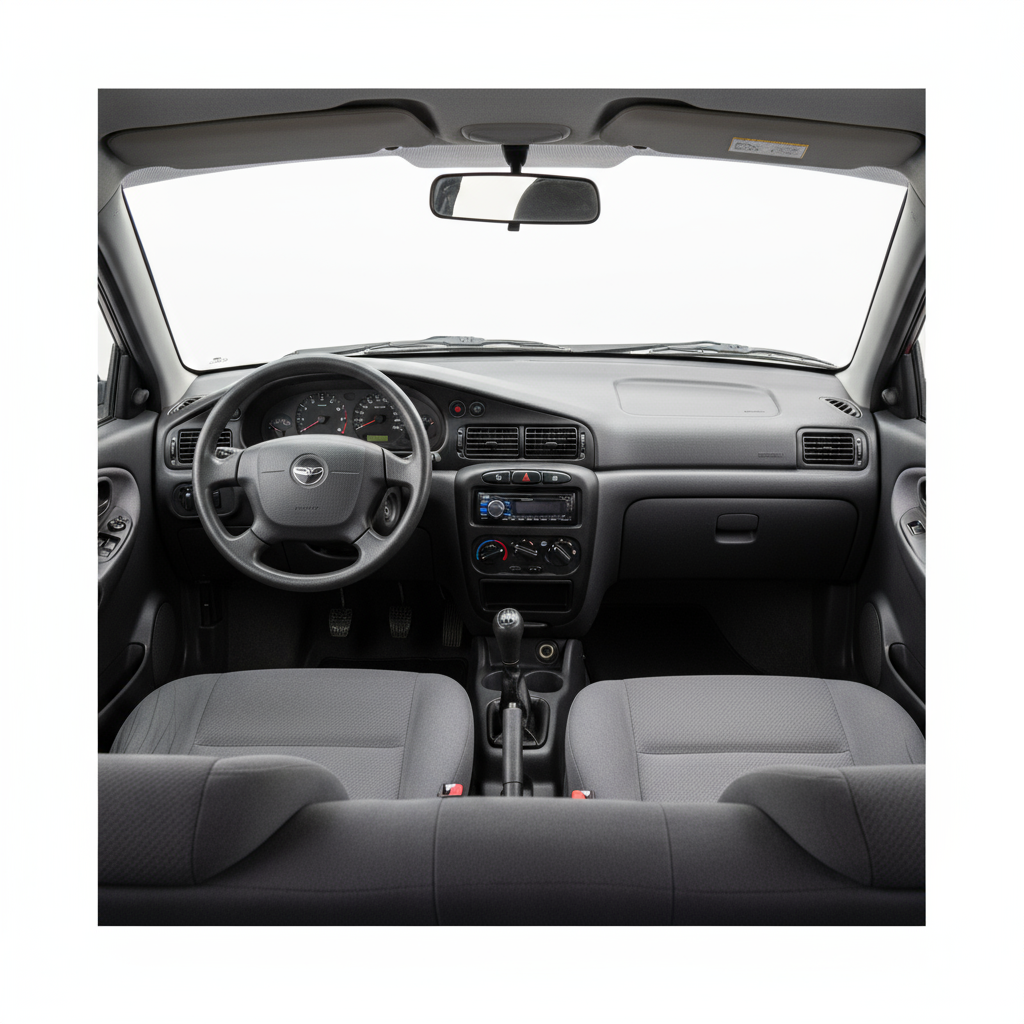
In its context, the Lanos SX Plus offered technology focused on comfort and functionality. Features like power steering, air conditioning, or electric windows were not universal in its segment, and the Lanos included them. Its 16-valve engine with variable intake was a modern solution that sought a good balance between performance and consumption. It was a car of its time, without the electronic complexities of today, where technology served a simple and effective user experience.
Competition
The Daewoo Lanos faced fierce competition in the European market. It fought for a spot against established giants like the Renault Clio, Peugeot 206, Opel Corsa, or SEAT Ibiza. Its main argument was an almost unbeatable price-to-equipment ratio, offering a powerful engine and reasonable space at a cost that often only allowed access to the most basic versions of its rivals.
Conclusion
The Daewoo Lanos 1.6 is much more than an economical car from a bygone era. It is the memory of a smart purchase, an honest vehicle that delivered more than it promised. It offered lively performance, a pleasant design, and reliability that made it a loyal companion for thousands of families. Driving it today is a journey to an era where the essence of motoring lay in freedom and simplicity.