
Especificaciones y análisis del Daewoo Lanos 1997
Power
106HP
Torque
145Nm
Consumption
8.2l/100
Emissions
-g/km
0-100 km/h
11.5s
Top Speed
180km/h
Weight
1132kg
Price
11,660€
Technical summary
Gasolina
Manual 5v
FWD
5 / 5 doors
250 L
48 L
78 kW
Current
Technical specifications
Engine
Capacities
Detailed analysis of the Daewoo Lanos 5p 2001 1.6 16v SX · 106 CV (2000-2003)
General description
The Daewoo Lanos is a nostalgic journey to a simpler time, a car that for many represented the gateway to mobility in the late 90s. Born from the effort of a Korean brand to conquer Europe, the Lanos presented itself as an honest and affordable option, an unpretentious vehicle but with its heart in the right place: to faithfully serve its owners.
Driving experience
Getting behind the wheel of the Lanos is to rediscover a pure, unfiltered driving experience. Its 1.6-liter, 106-horsepower engine feels surprisingly energetic and willing, moving the car with a joy that is no longer found. The manual transmission is mechanical and direct, and although the soft suspension prioritizes comfort over sportiness, the car conveys a sense of lightness and agility in the city. It's an analog experience that connects you directly to the road and reminds you of the simple pleasure of driving.
Design and aesthetics
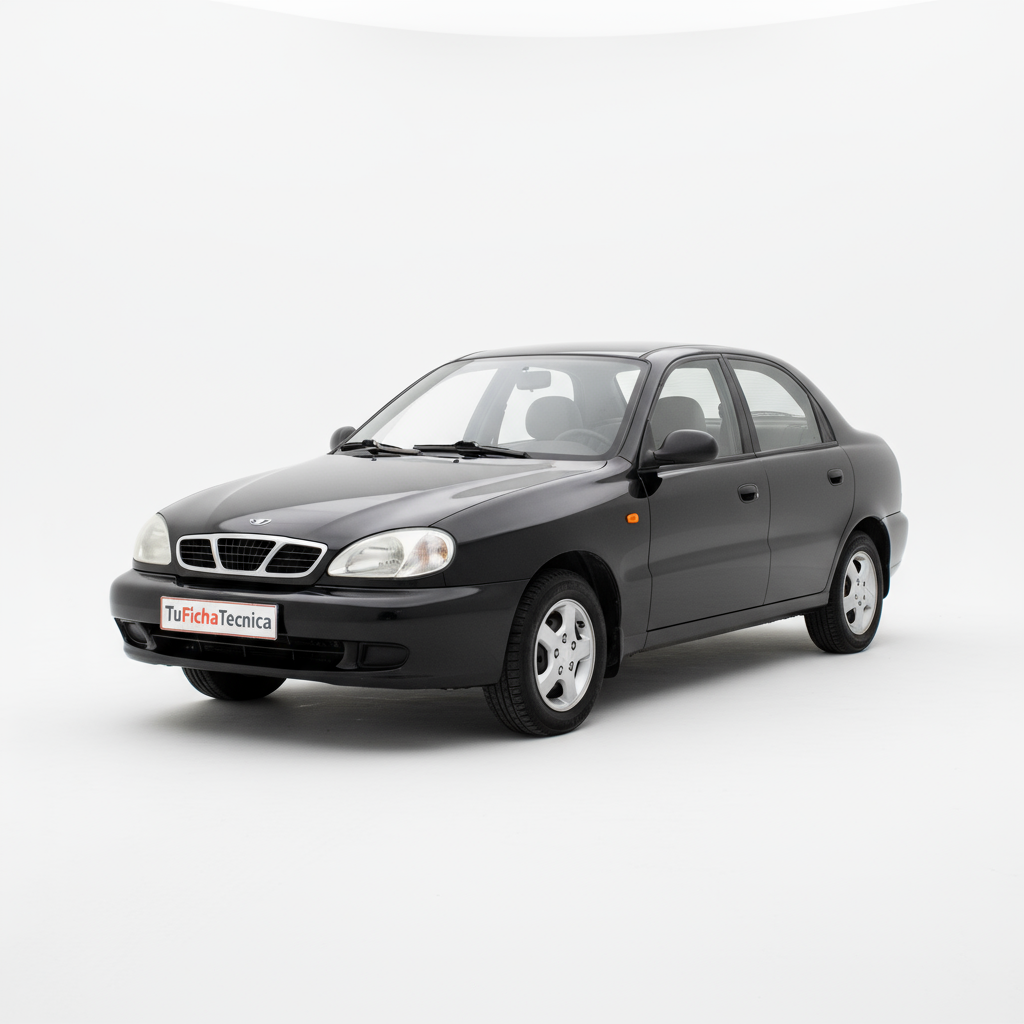
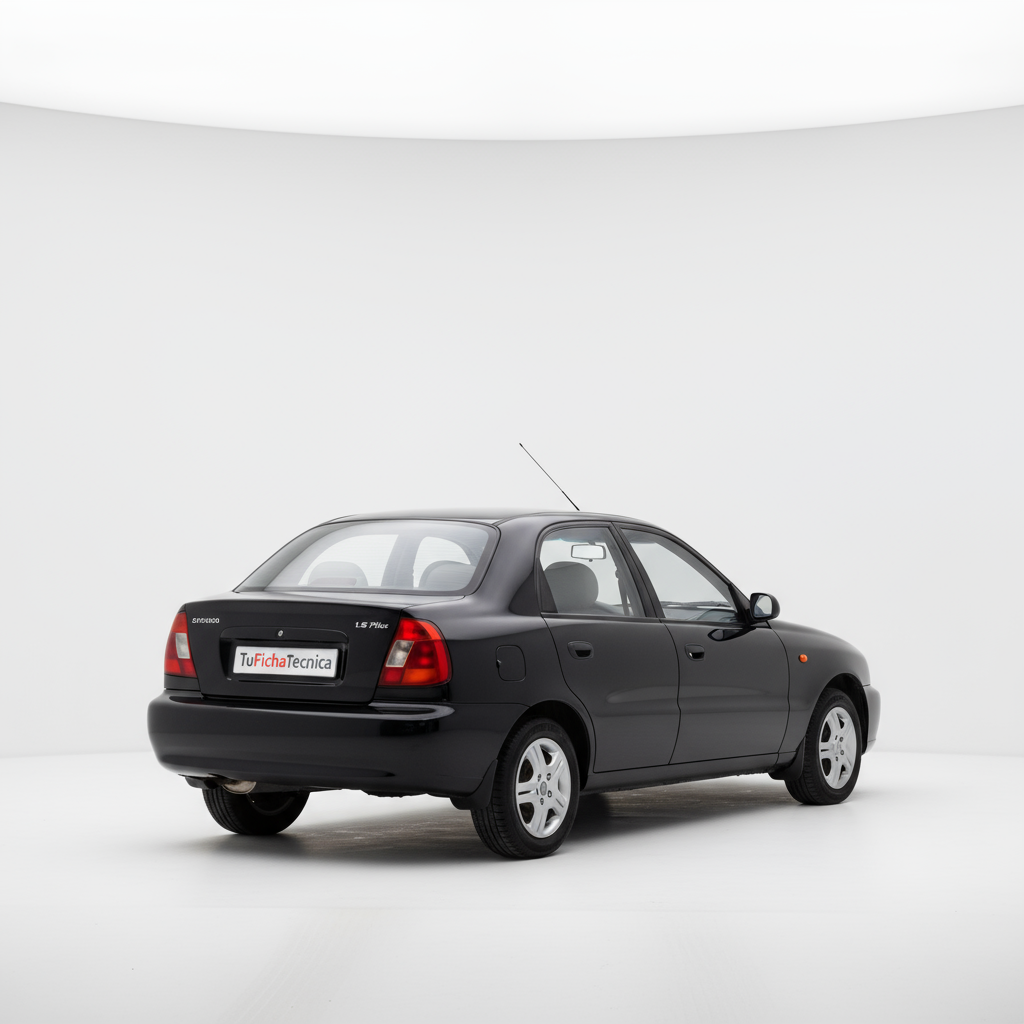
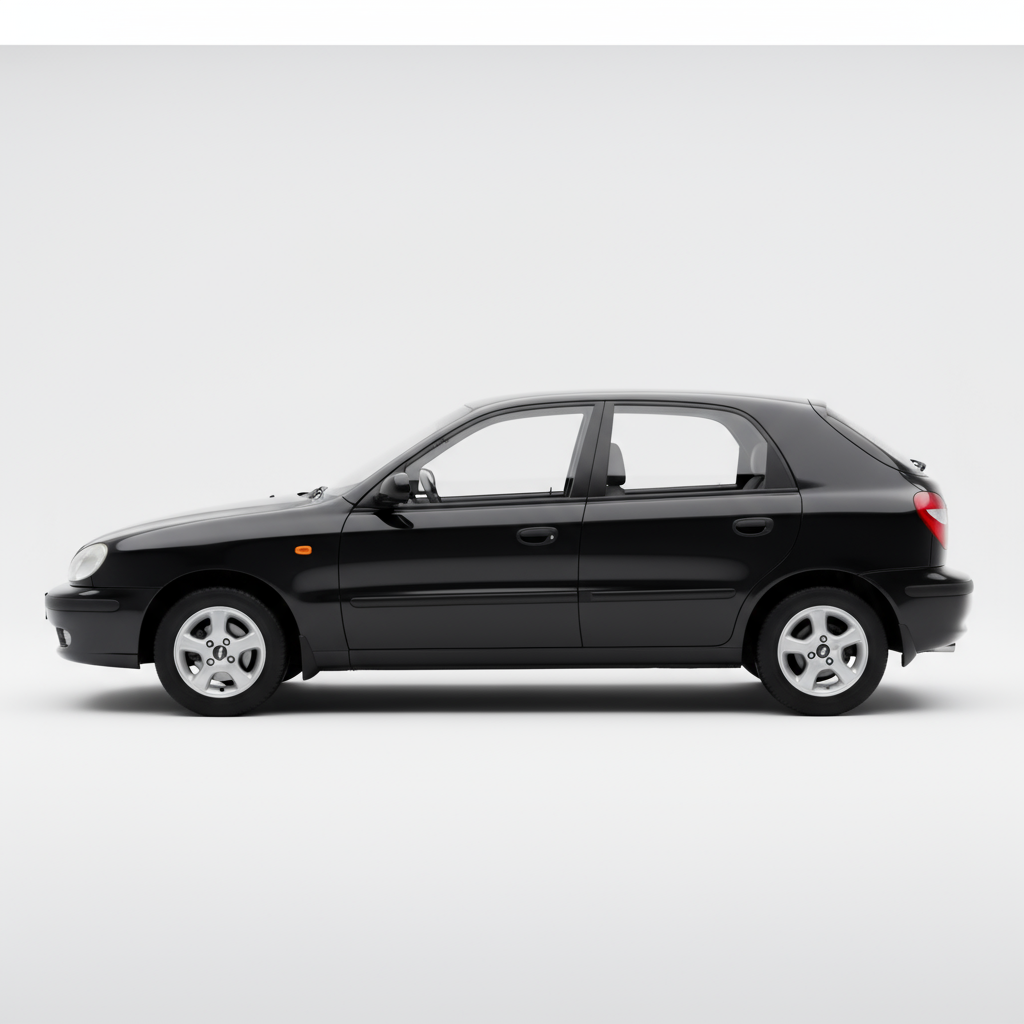
Signed by the master Giorgetto Giugiaro, the design of the Lanos is a hymn to the functionality and friendliness of the 90s. Its rounded shapes and friendly front end shun aggression, seeking to create a practical and visually pleasing vehicle. The five-door body underscores its family-friendly and versatile nature. Today, its lines evoke a warm nostalgia, a memory of a more optimistic and less complicated automotive design.
Technology and features
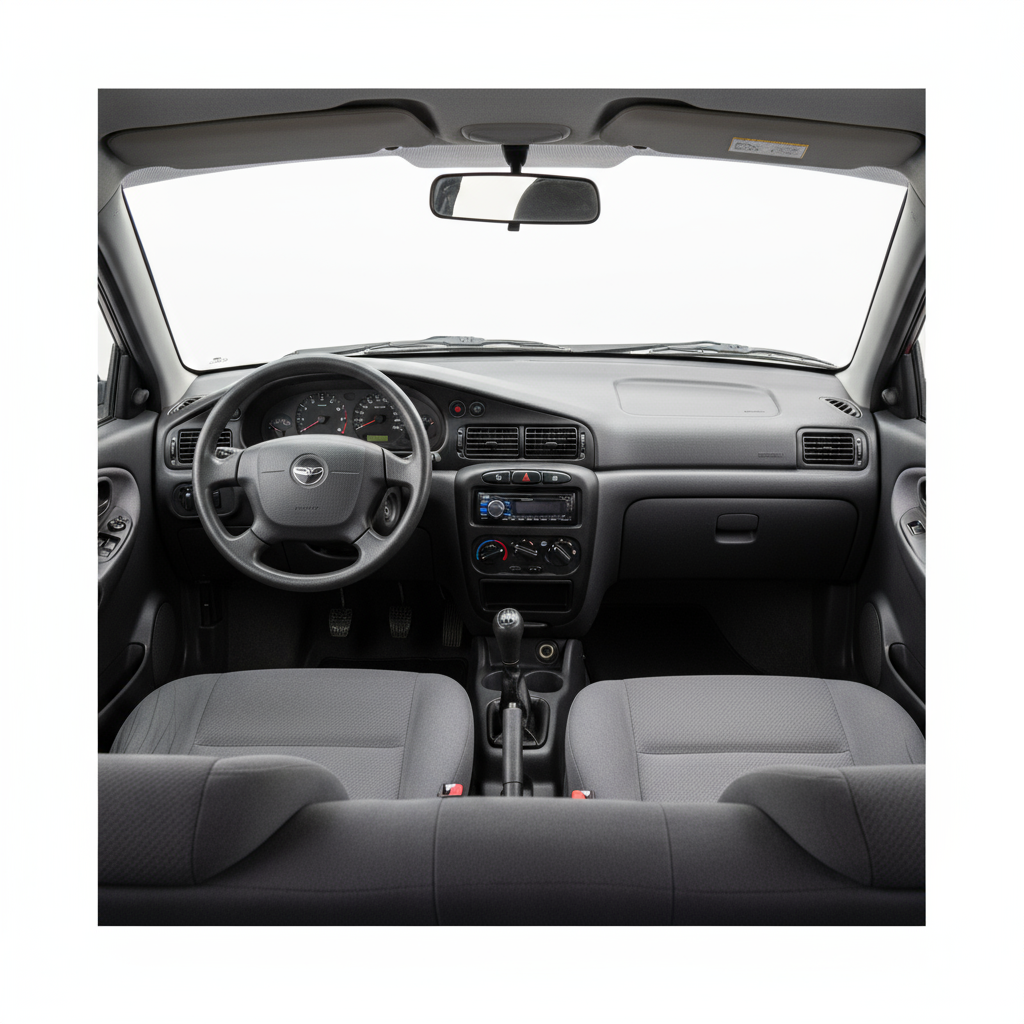
To talk about technology in the Lanos is to look at the past with fondness. In its SX version, it offered features like power steering, air conditioning, or a cassette radio, luxuries for the time. Safety was basic, with perhaps a driver's airbag. It is the antithesis of the modern car: there are no screens, no assistants, no connectivity. It is a pure machine, a refuge from the digital age that forces us to focus on the essentials.
Competition
The Lanos faced giants in the competitive subcompact segment. It fought bravely against European titans like the SEAT Ibiza, Renault Clio, or the Opel Corsa of the era. Its main weapon was not refinement, but an unbeatable price and a design with Italian pedigree, offering a spacious and capable car for a cost that its competitors could not match.
Conclusion
The Daewoo Lanos is much more than an economy car; it is a portrait of an era and a symbol of the democratization of the automobile. It was a faithful companion for thousands of families, an honest vehicle that fulfilled its promise of uncomplicated mobility. Today, it has earned a place in the hearts of those who value simplicity and authenticity, a young classic that reminds us that happiness behind the wheel does not always depend on power or the latest technology.