
Especificaciones y análisis del Dacia Duster
Power
105HP
Torque
148Nm
Consumption
7.5l/100
Emissions
177g/km
0-100 km/h
11.5s
Top Speed
164km/h
Weight
1235kg
Price
14,260€
Technical summary
Gasolina
Manual 5v
FWD
5 / 5 doors
475 L
50 L
77 kW
Current
Technical specifications
Engine
Capacities
Detailed analysis of the Dacia Duster Laureate 1.6 110 CV 4x2 (2010)
General description
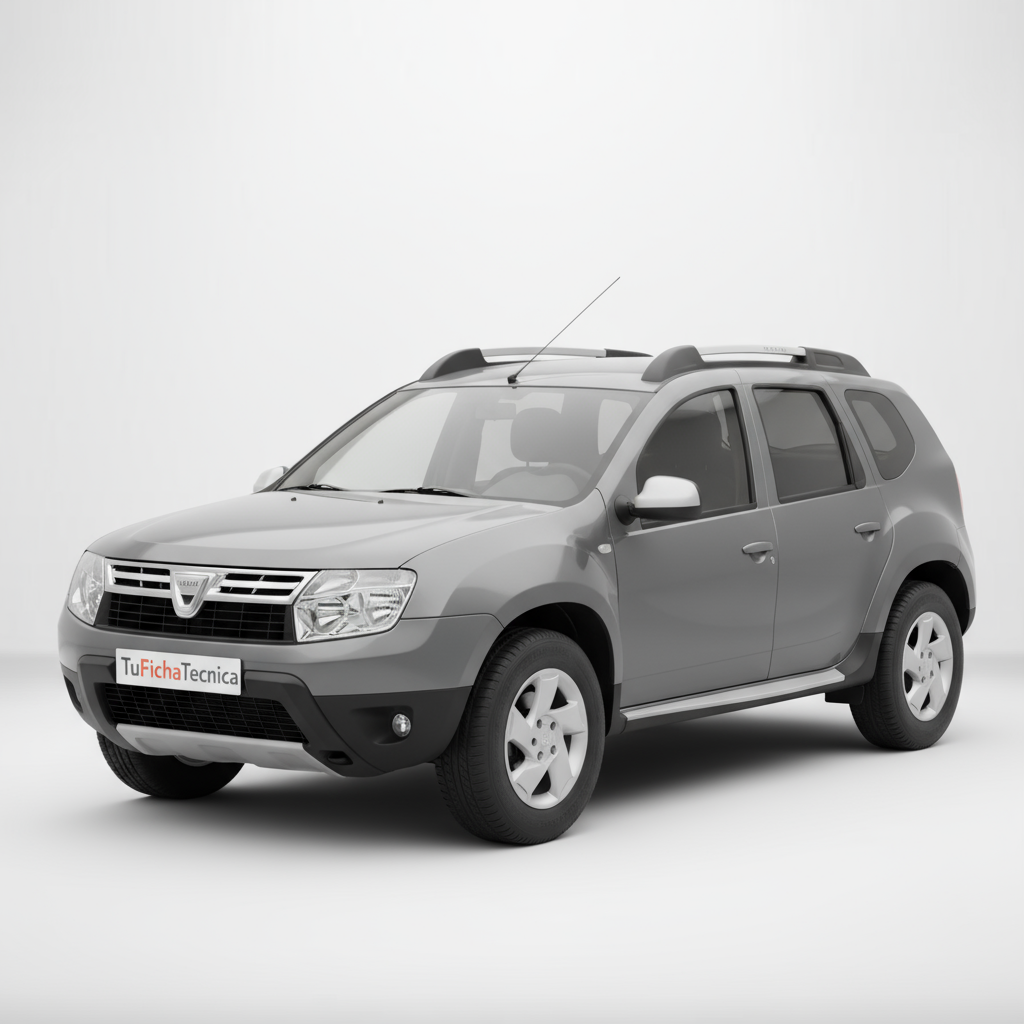
The 2010 Dacia Duster burst onto the market as a true revolution, a vehicle that democratized the SUV concept. With an honest proposal and an unbeatable price, it offered thousands of families the possibility of accessing a spacious, robust, and versatile car without having to make an exorbitant outlay. It was, and still is, the quintessential smart buy.
Driving experience
Behind the wheel, the Duster conveys a sense of honesty and simplicity. Its 1.6-liter, 105-horsepower engine doesn't seek sporty performance, but rather to move the vehicle with solvency and reliability in daily life. The ride is calm and predictable, with a suspension that prioritizes comfort and absorbs road irregularities with surprising efficiency for its price, making it an ideal companion for unpretentious trips and getaways.
Design and aesthetics
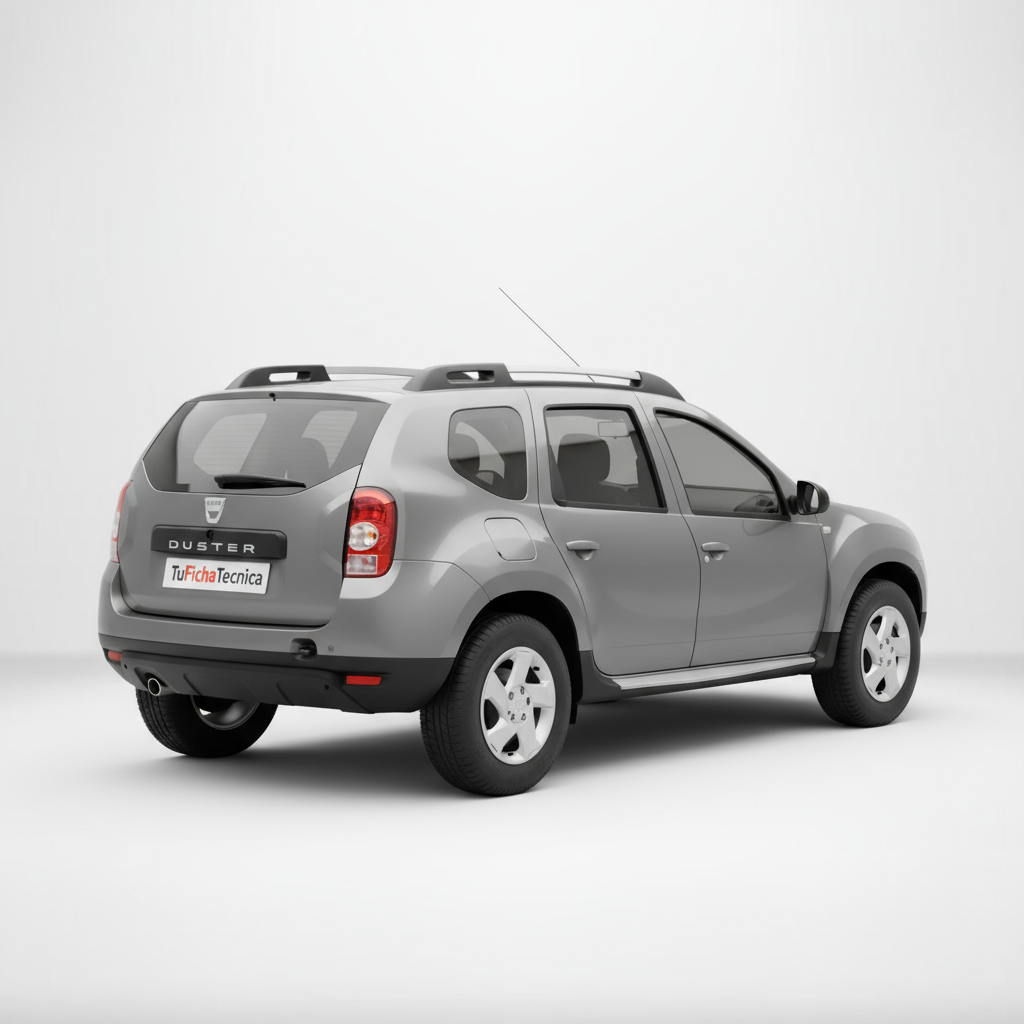
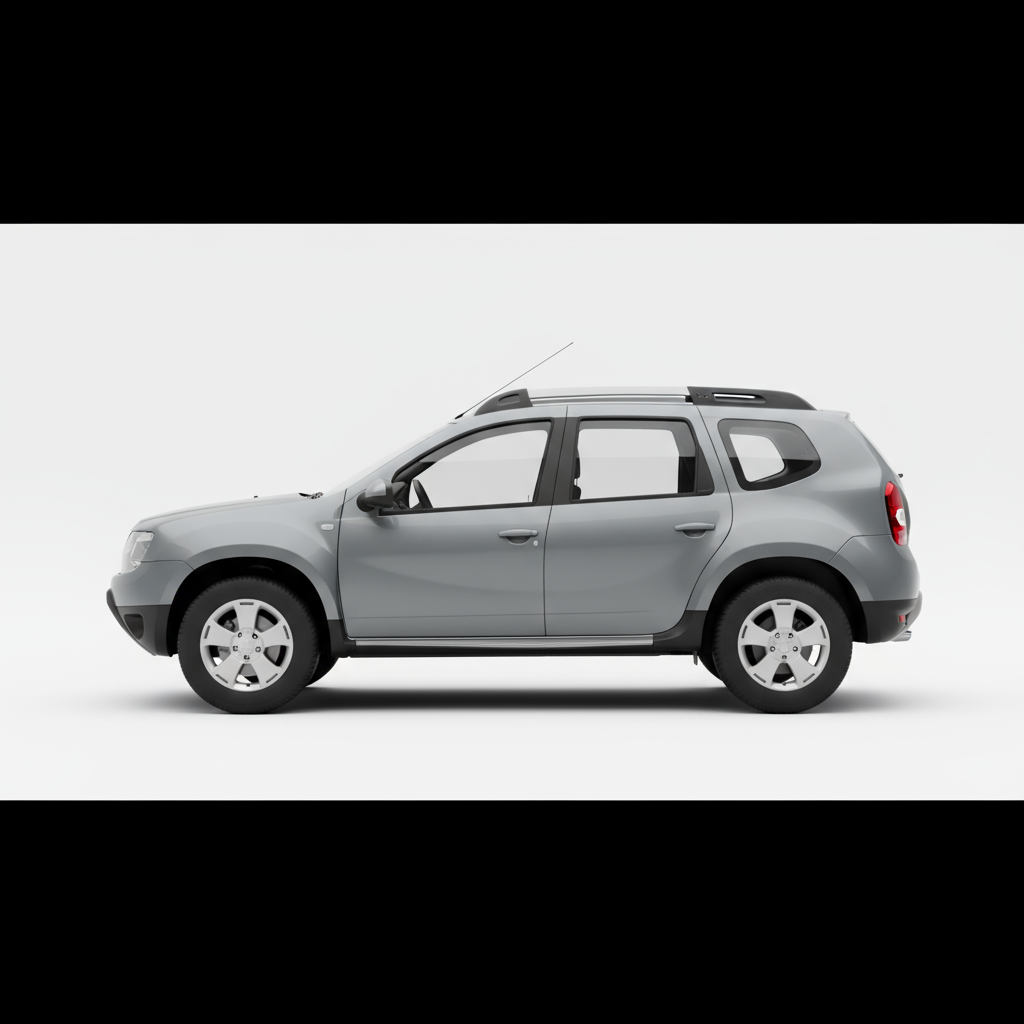
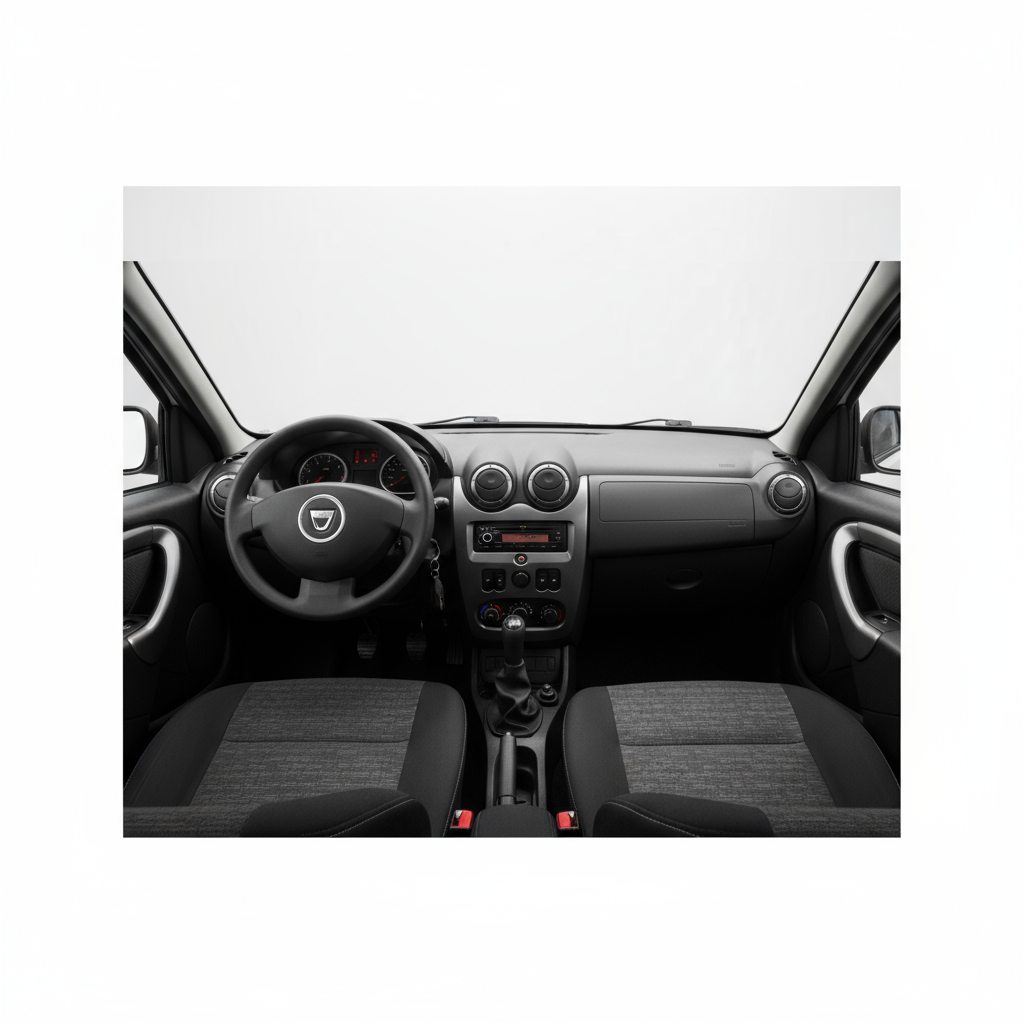
Its design is a statement of intent: functionality above all else. The lines are muscular and robust, with marked wheel arches and generous ground clearance that give it an undeniable off-road appearance. Inside, simplicity reigns with hard but durable plastics and an assembly designed to withstand the test of time and demanding use. Its huge 475-liter trunk is an argument that captivates with its practicality.
Technology and features
The technology of the 2010 Duster is strictly what is necessary, a philosophy that guarantees its reliability and low cost. It features a proven indirect injection engine, without complex systems like Start-Stop. The chassis, with a McPherson front suspension and a torsion beam rear axle, is a simple and effective solution. You won't find large screens or latest-generation assistance systems, but rather basic mechanics and electronics designed to perform their function without fail.
Competition
At its launch, the Duster had virtually no direct rivals in its price range. It created its own segment. Any alternative, such as a Nissan Qashqai or a Suzuki SX4 in their most basic versions, was significantly more expensive. Its real competitor was the second-hand market or vehicles from lower segments, against which the Duster offered the advantage of being a new, spacious car with a warranty.
Conclusion
The 2010 Dacia Duster is not just a car; it is the materialization of a logical and emotionally satisfying purchase. It proved that you don't need a large budget to have a capable, spacious, and reliable family vehicle. It is a car that delivers what it promises, creating a bond of loyalty with its owners who value substance over artifice. A brilliant choice that changed the rules of the game.