
Especificaciones y análisis del Dacia Duster
Power
105HP
Torque
148Nm
Consumption
7.5l/100
Emissions
177g/km
0-100 km/h
11.5s
Top Speed
164km/h
Weight
1235kg
Price
12,800€
Technical summary
Gasolina
Manual 5v
FWD
5 / 5 doors
475 L
50 L
77 kW
Current
Technical specifications
Engine
Capacities
Detailed analysis of the Dacia Duster Ambiance 1.6 110 CV 4x2 (2010)
General description
The 2010 Dacia Duster burst onto the market like a breath of fresh air, a true revolution that democratized the SUV concept. It arrived with the promise of offering space, a robust aesthetic, and adventurous capabilities at a price that defied all logic. It didn't seek luxury, but pure, hard functionality, opening the door to adventure for families who until then could only dream of it.
Driving experience
Driving the 105 hp 1.6 Duster is an experience of mechanical honesty. Its naturally aspirated engine is willing and sufficient for daily use, although it requires patience in overtaking and on steep inclines. The real magic lies in its suspension, which filters out irregularities in the asphalt and broken roads with surprising smoothness, conveying a sense of comfort and robustness unmatched in its segment. It's not a car for speeding, but for enjoying the journey calmly, feeling that its simplicity and ground clearance will allow you to get almost anywhere.
Design and aesthetics
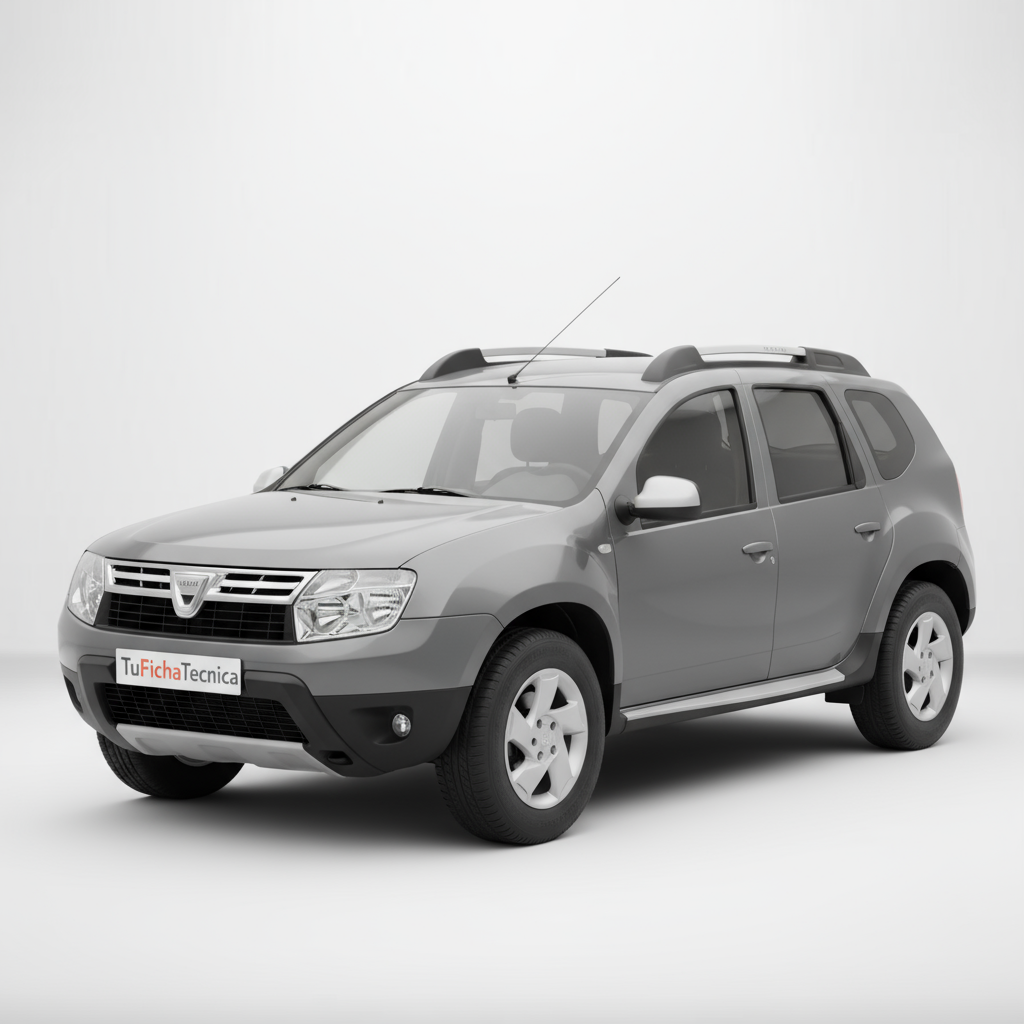
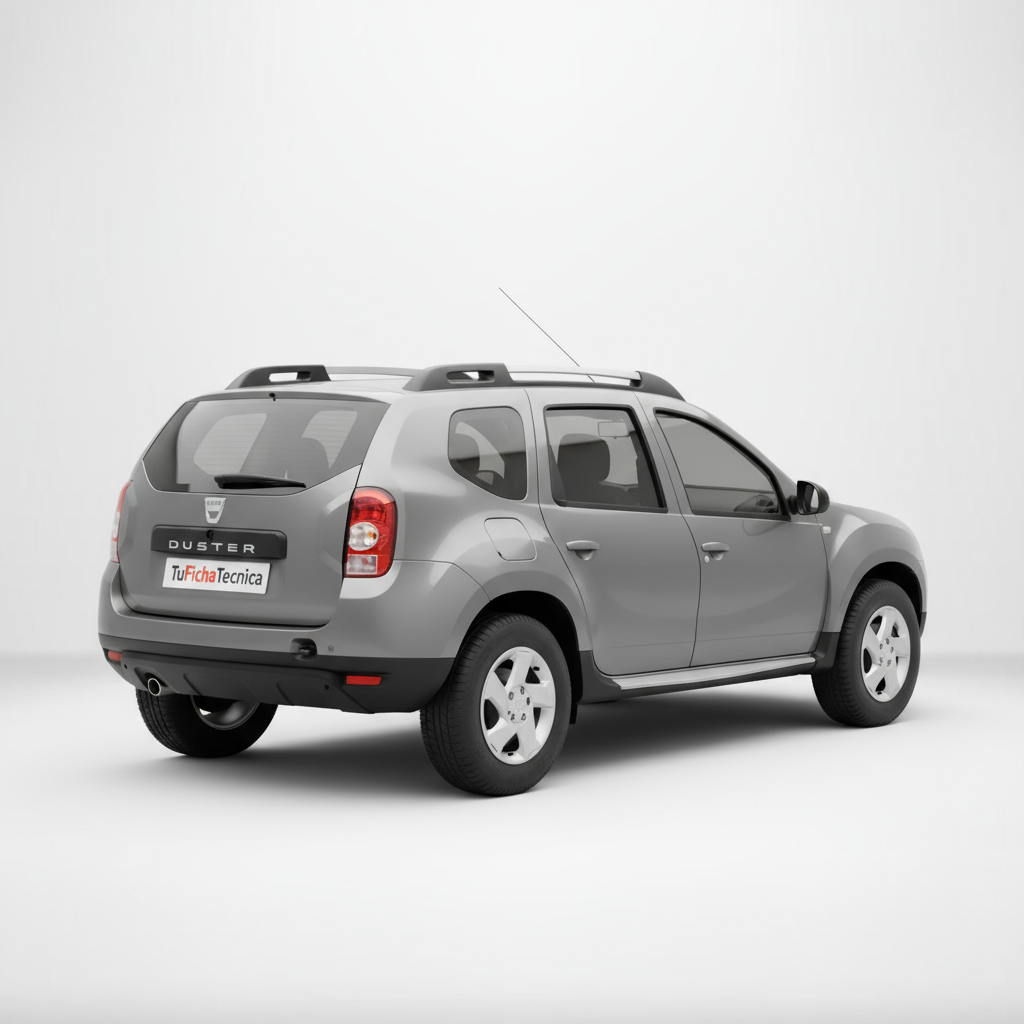
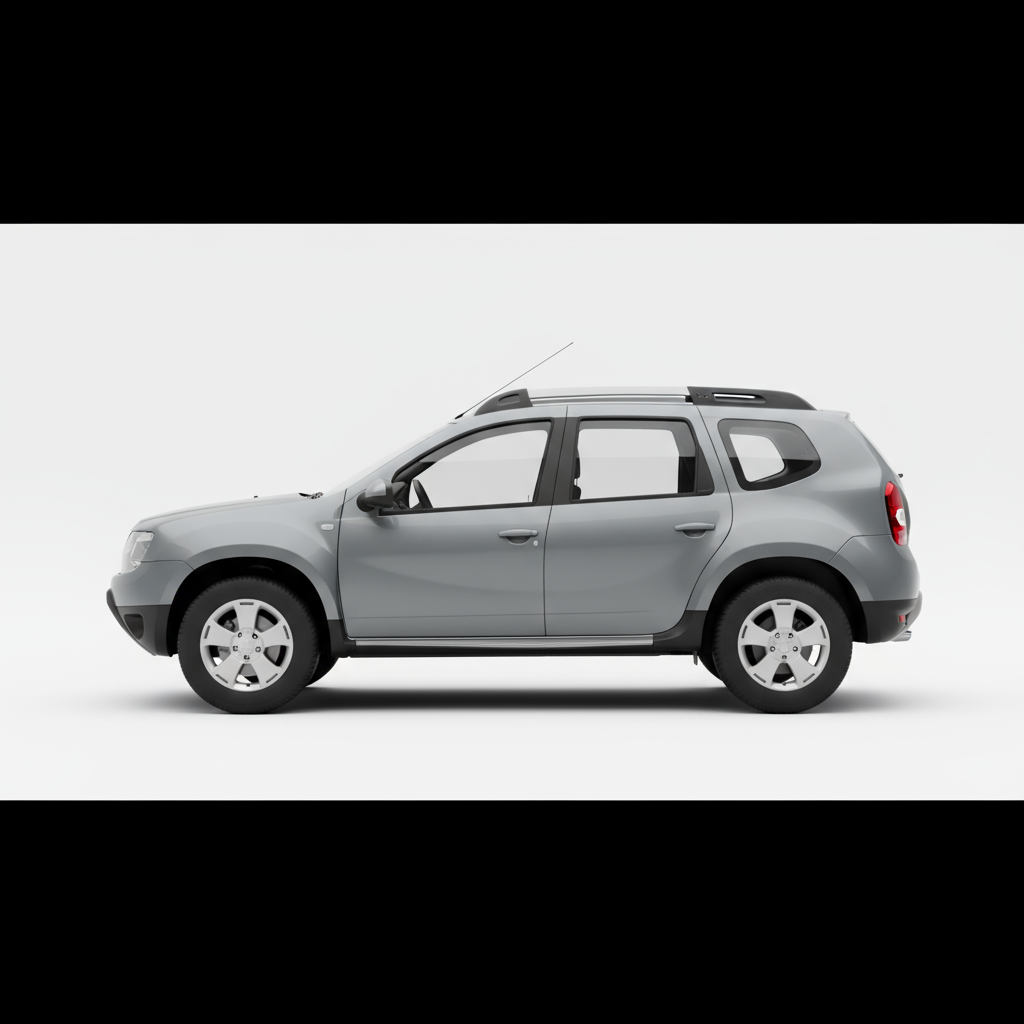
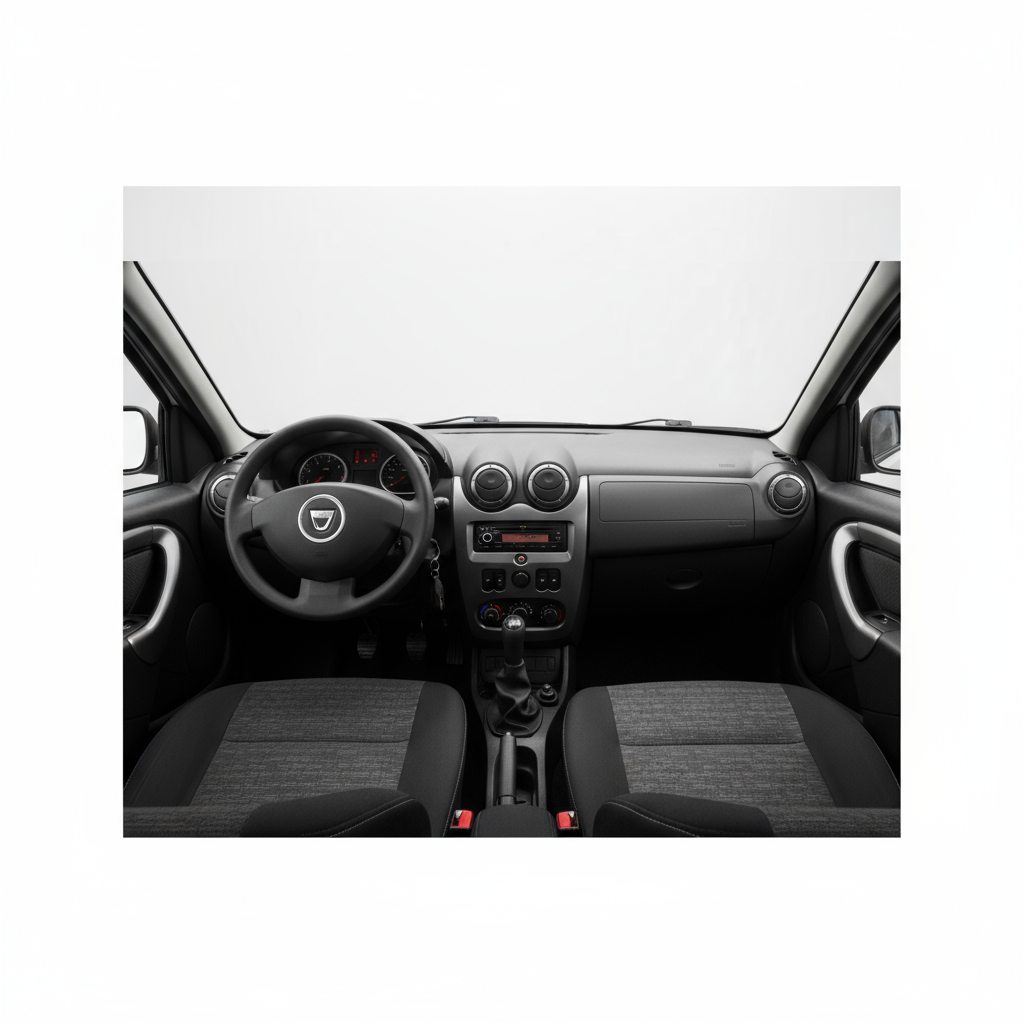
Its design is a statement of intent. The flared wheel arches, prominent roof bars, and a high silhouette scream adventure. There are no frills, just muscular and functional shapes that prioritize practicality over elegance. Inside, space is the main protagonist, with a spacious cabin and a 475-liter trunk, huge for its time and size. The plastics are hard and simple, designed to withstand the test of time and demanding use, not to be caressed.
Technology and features
The technology in the 2010 Duster focused on the bare essentials. This Ambiance version was the personification of simplicity, often without basic elements today like air conditioning or a radio, which were optional. Safety met the minimum requirements, with ABS and front airbags. Its greatest technological asset was, paradoxically, its absence: a simple engine, basic electronics, and proven mechanics that promised reliability and economical maintenance.
Competition
At the time of its launch, the Dacia Duster played in a league it had created itself. For its price, it was difficult to find a direct new rival. It could compete with smaller and less capable urban crossovers like the Fiat Sedici or the Suzuki SX4, or with second-hand vehicles. However, none offered its combination of interior space, off-road look, and the guarantee of a brand-new car. It was a unique product that broke the market.
Conclusion
The 2010 Dacia Duster was much more than a cheap car; it was a smart purchase and a social phenomenon. It represented the essence of the SUV, stripped of everything superfluous, to deliver space, versatility, and a robustness that was almost foolproof. It became the faithful companion for thousands of families, a vehicle that didn't define you by what it cost, but by the experiences it allowed you to live. A resounding success that forged a legend.