
Especificaciones y análisis del Citroën Xsara Picasso
Power
88HP
Torque
135Nm
Consumption
7.8l/100
Emissions
-g/km
0-100 km/h
15.8s
Top Speed
168km/h
Weight
1240kg
Price
15,837€
Technical summary
Gasolina
Manual 5v
FWD
5 / 5 doors
550 L
55 L
65 kW
Current
Technical specifications
Engine
Capacities
Detailed analysis of the Citroën Xsara Picasso 1.6i 90CV (2000)
General description
The Citroën Xsara Picasso burst onto the scene in 2000 as a breath of fresh air for families looking for more than just a car. It was Citroën's answer to a booming market, that of compact minivans, and it did so with a proposal that captivated with its originality, its interior space, and a promise of comfort felt with every kilometer. This was not just a vehicle; it was a companion for family adventures, a shelter on wheels designed to make life easier and more pleasant.
Driving experience
Behind the wheel of the Xsara Picasso 1.6i, the sensations are of pure tranquility and comfort. Its 88 horsepower doesn't aim for speed records but to move the family smoothly and without jolts. The engine is willing at low revs, ideal for the city, although on the highway and with the car loaded, it demands patience and anticipation. The suspension, true to Citroën's tradition, masterfully filters out road imperfections, creating a pleasant and relaxed travel atmosphere. It's a car that invites you to enjoy the journey, without rushing, feeling the landscape pass by through its large windows.
Design and aesthetics
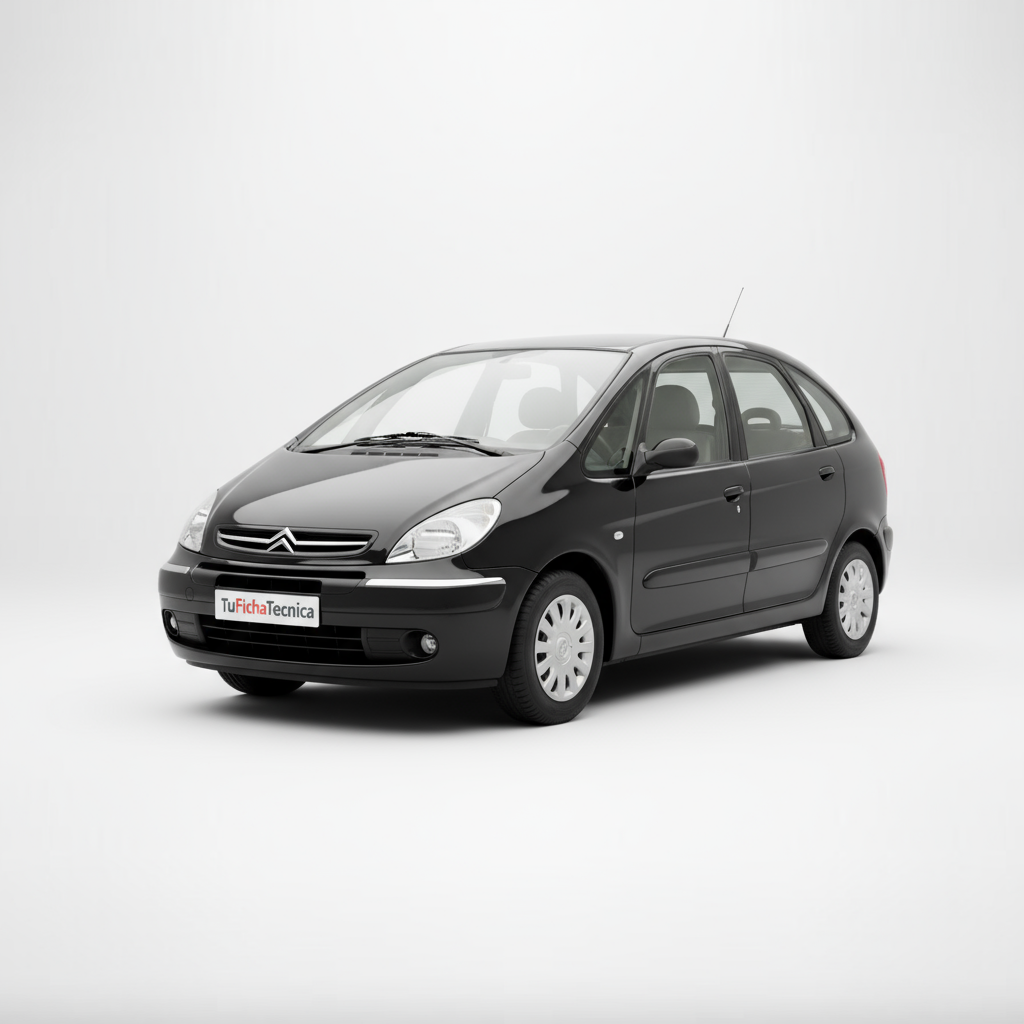
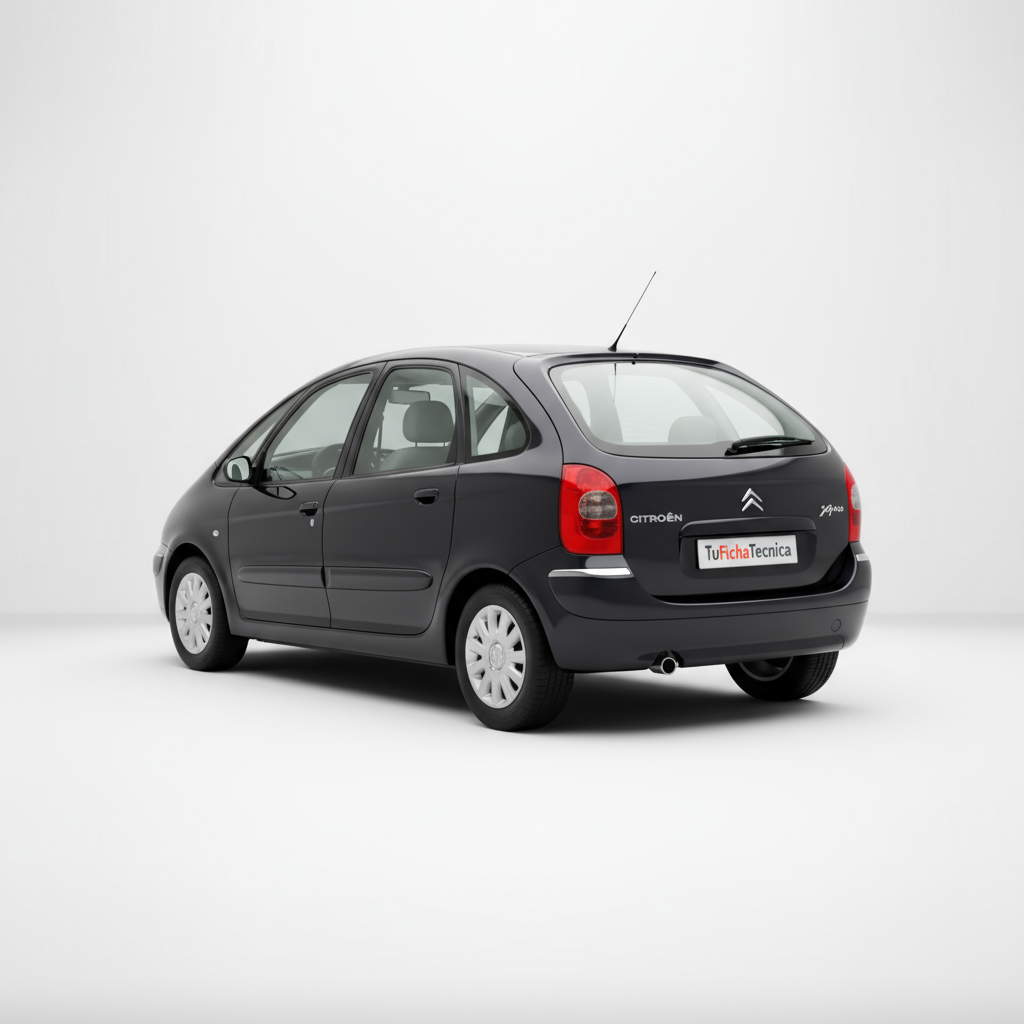
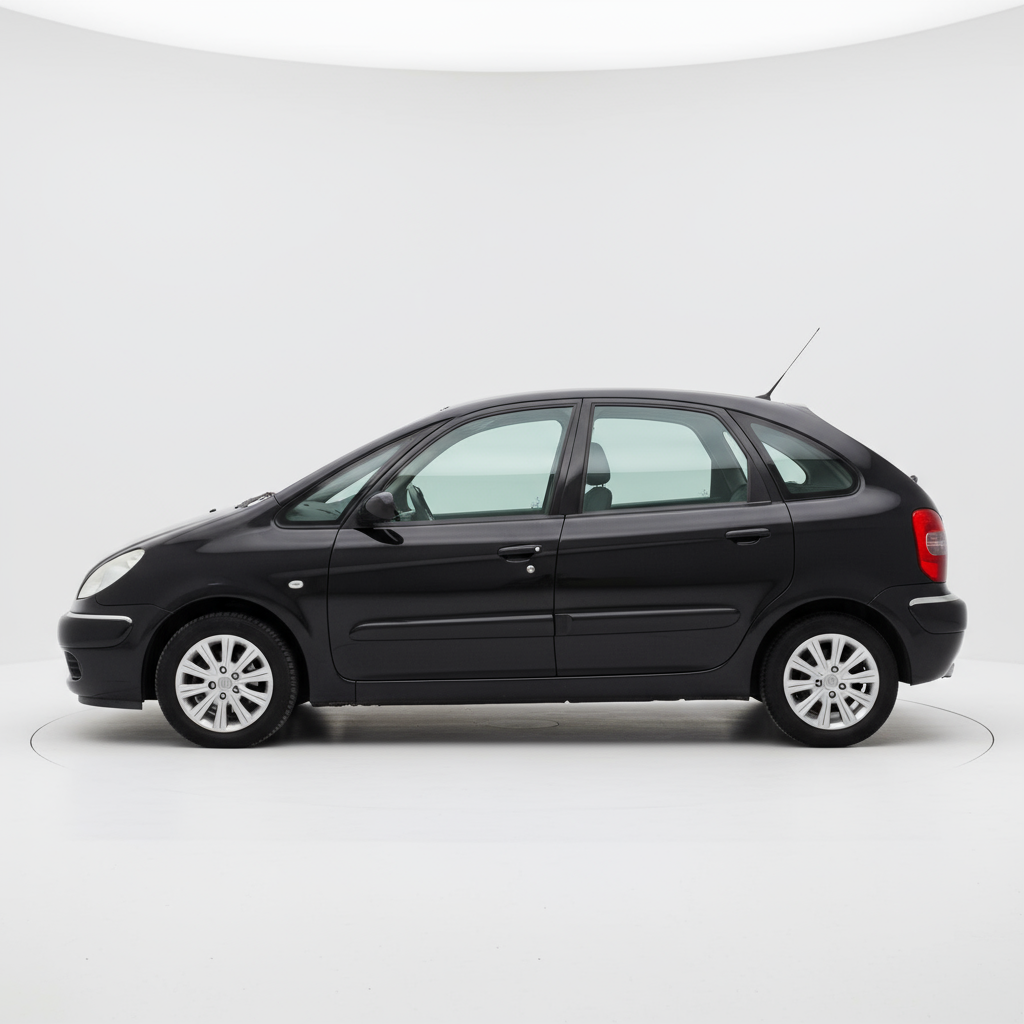
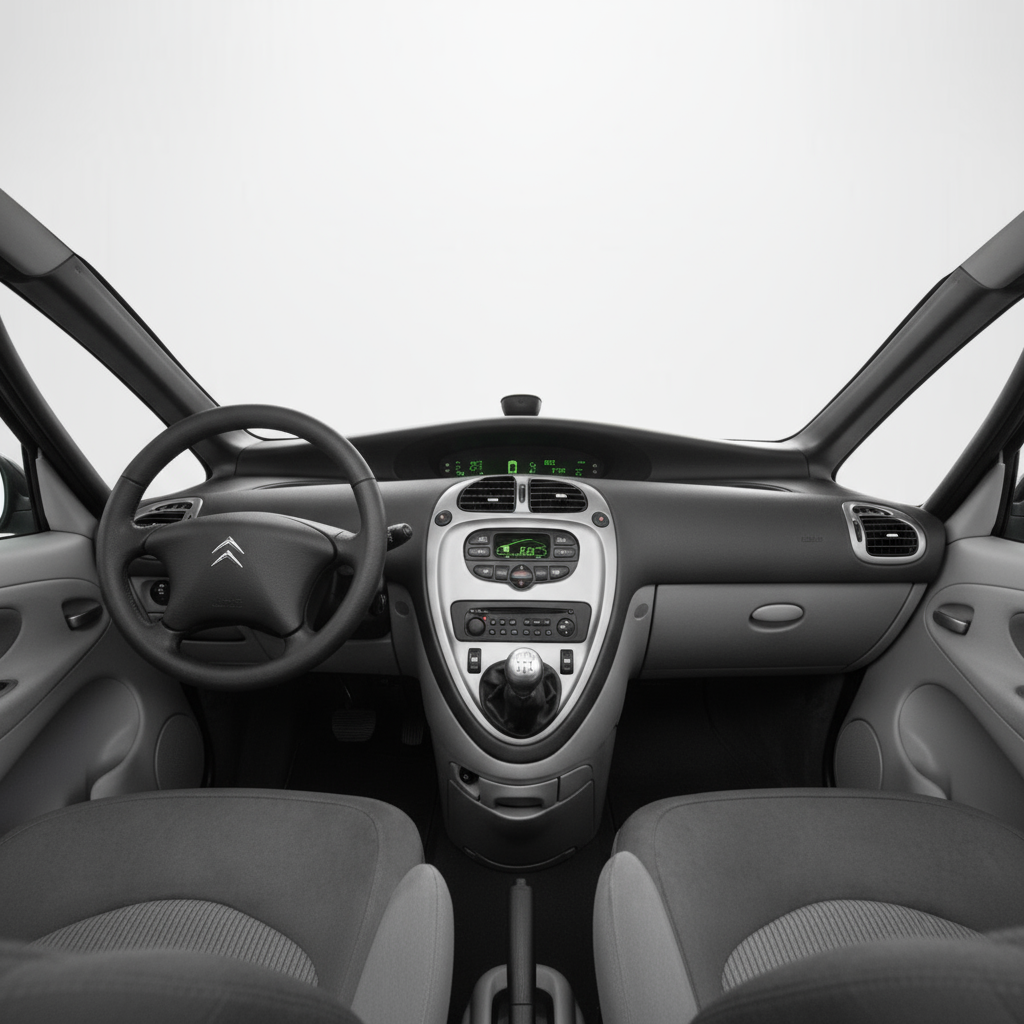
Its design, affectionately nicknamed 'the egg', was a statement of intent. It broke with the straight and aggressive lines of the era to embrace rounded, friendly shapes that conveyed warmth and protection. Its compact minivan silhouette maximized interior space in an almost magical way. Inside, the revolution continued with a central digital instrument panel, which cleared the driver's field of vision, and exceptional modularity with three independent rear seats and a gigantic 550-liter trunk. Every corner was designed for life on board, creating a bright, versatile, and welcoming cabin.
Technology and features
In 2000, the Xsara Picasso's technology focused more on design intelligence than on advanced electronics. Its greatest technological feat was the digital and central instrument cluster, a futuristic solution that sought to improve ergonomics and visibility. The 88 hp 1.6i engine was a simple and proven mechanic, without great fanfare but reliable. The real innovation lay in its concept of space and modularity, in solutions like the multiple storage compartments or the removable rear seats, which showed that the best technology is the one that adapts to people's real needs.
Competition
The Xsara Picasso was not alone in the playground. Its main rival, and the car that inaugurated the segment, was the Renault Scénic, with which it fought a fierce battle for the hearts of European families. It also had to compete with the Opel Zafira, which offered the ingenious solution of seven seats hidden under the trunk floor, and with the highly original Fiat Multipla, another vehicle that opted for a groundbreaking design. Against them, the Picasso defended its position with a sublime balance between a charismatic design, superior ride comfort, and exceptional roominess for five occupants.
Conclusion
The Citroën Xsara Picasso 1.6i was much more than a simple minivan; it was a social phenomenon and another member of thousands of families. Its success was not based on power or cutting-edge technology, but on a deep understanding of what a family needed: space, versatility, comfort, and a design with soul. Despite its modest performance, its legacy endures as one of the most intelligent and endearing cars of its time, a vehicle that proved that functionality and emotion could travel together in perfect harmony.