
Especificaciones y análisis del Citroën Xsara Picasso
Power
109HP
Torque
144Nm
Consumption
7.3l/100
Emissions
172g/km
0-100 km/h
11.4s
Top Speed
180km/h
Weight
1418kg
Price
14,680€
Technical summary
Gasolina
Manual 5v
FWD
5 / 5 doors
550 L
55 L
80 kW
Current
Technical specifications
Engine
Capacities
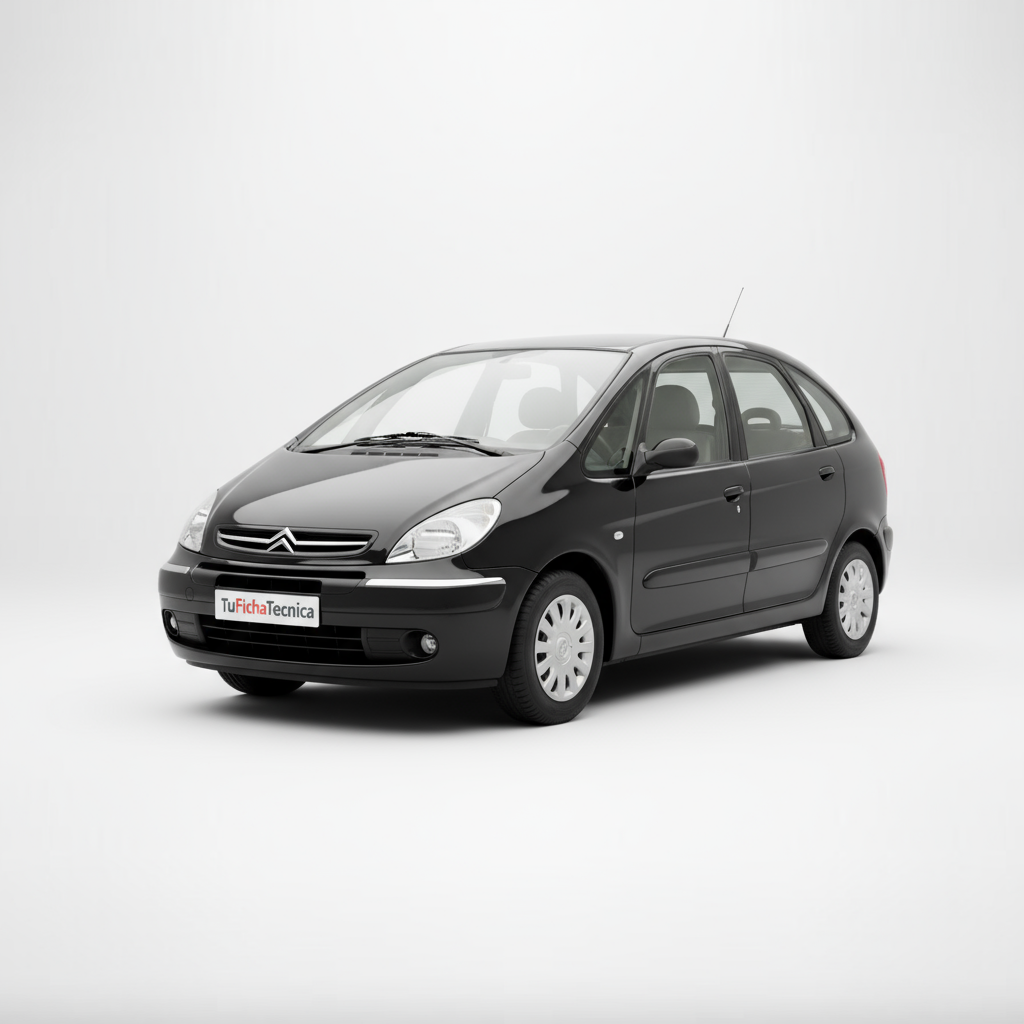
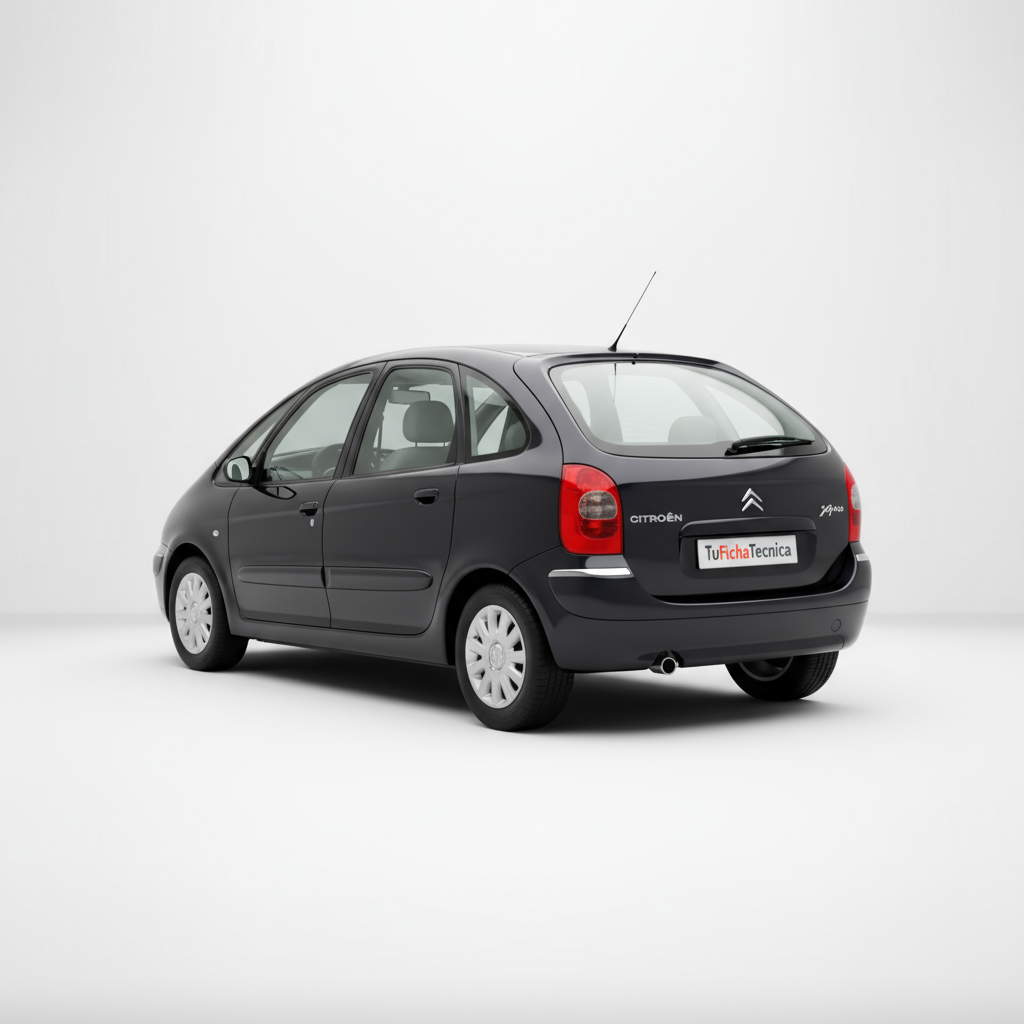
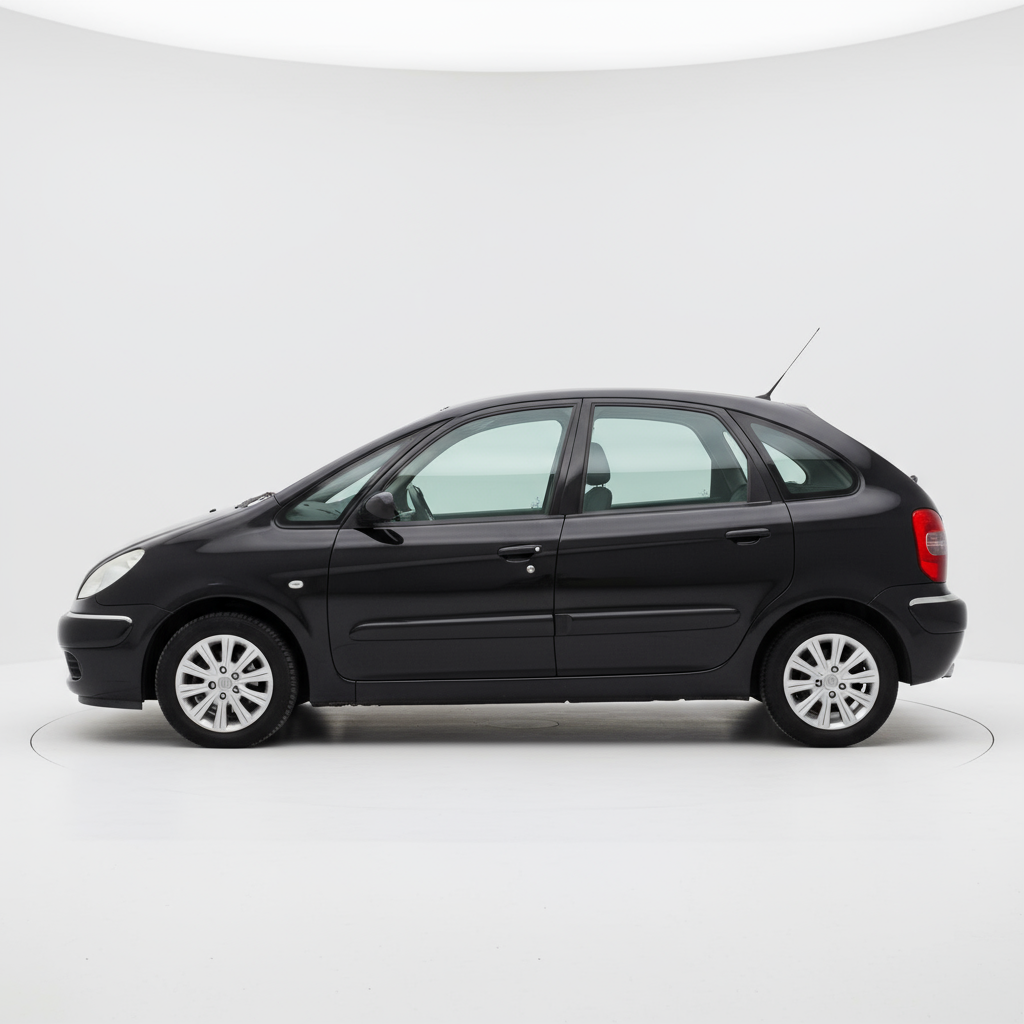
Detailed analysis of the Citroën Xsara Picasso 1.6i 16v Exclusive · 109 CV (2005-2008)
General description
The Citroën Xsara Picasso was not just a car; it was a revolution for families at the beginning of the millennium. It arrived to redefine the concept of the compact minivan, offering an interior space and modularity that seemed impossible for its size. It was the travel companion that promised to transform every journey into an experience of comfort and togetherness.
Driving experience
Behind the wheel, the Xsara Picasso conveys a sense of calm and control. Its 1.6-liter, 109-horsepower engine is willing and sufficient to move the family with ease, without any sporting pretensions. Driving is an exercise in comfort; the suspension filters out road imperfections with a smoothness that invites long trips, while the high driving position and huge glass area provide exceptional visibility and a sense of command. It's a car that doesn't ask you to race, but to enjoy the journey.
Design and aesthetics
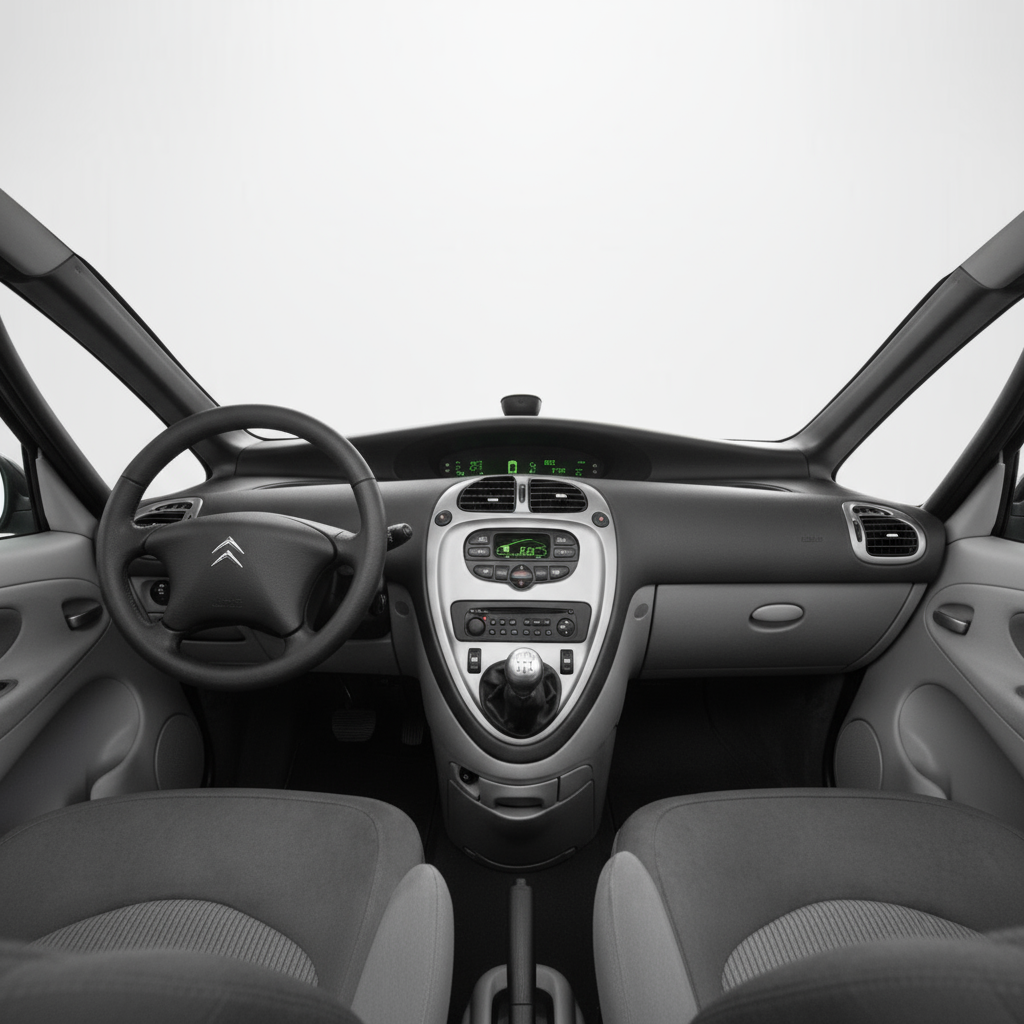
Its design, affectionately nicknamed 'the egg,' is a statement of intent. A rounded, friendly shape that broke with convention to maximize living space. Inside, it's a work of genius: three independent, identical, and removable rear seats, a flat floor, and a gigantic 550-liter trunk. Every corner seems designed for life on board, with storage compartments and trays everywhere. The digital and centered instrument cluster was a futuristic touch that, far from being a whim, sought to have the whole family share the travel information.
Technology and features
For its time, the Xsara Picasso offered technology focused on well-being. It didn't seek to show off, but to provide practical solutions. Features like automatic climate control, the trip computer on its iconic central display, or the radio controls on the steering wheel made life easier. In terms of safety, it met the essentials, including ABS and airbags, demonstrating that Citroën's priority was to protect what matters most: its occupants.
Competition
It was born into a booming segment, where it had to compete with giants. Its arch-nemesis was always the Renault Scénic, the pioneer of the category. It also faced the Opel Zafira, which played the seven-seater card, and later models like the Ford Focus C-Max or the Volkswagen Touran. Against them, the Picasso defended its unique personality, an unmistakable design, and an interior modularity that few could match.
Conclusion
The Citroën Xsara Picasso is more than a second-hand car; it's the memory of countless family trips, of laughter in the back seats, and of a trunk filled to the brim with dreams and luggage. It represents an intelligent and human way of understanding the automobile, where design is at the service of people. A vehicle that earned the hearts of a generation through its practicality, comfort, and undeniably family-oriented spirit.