
Especificaciones y análisis del Citroën Xsara Picasso
Power
90HP
Torque
215Nm
Consumption
5.1l/100
Emissions
130g/km
0-100 km/h
12.1s
Top Speed
175km/h
Weight
1365kg
Price
14,950€
Technical summary
Gasóleo
Manual 5v
FWD
5 / 5 doors
550 L
60 L
66 kW
Current
Technical specifications
Engine
Capacities
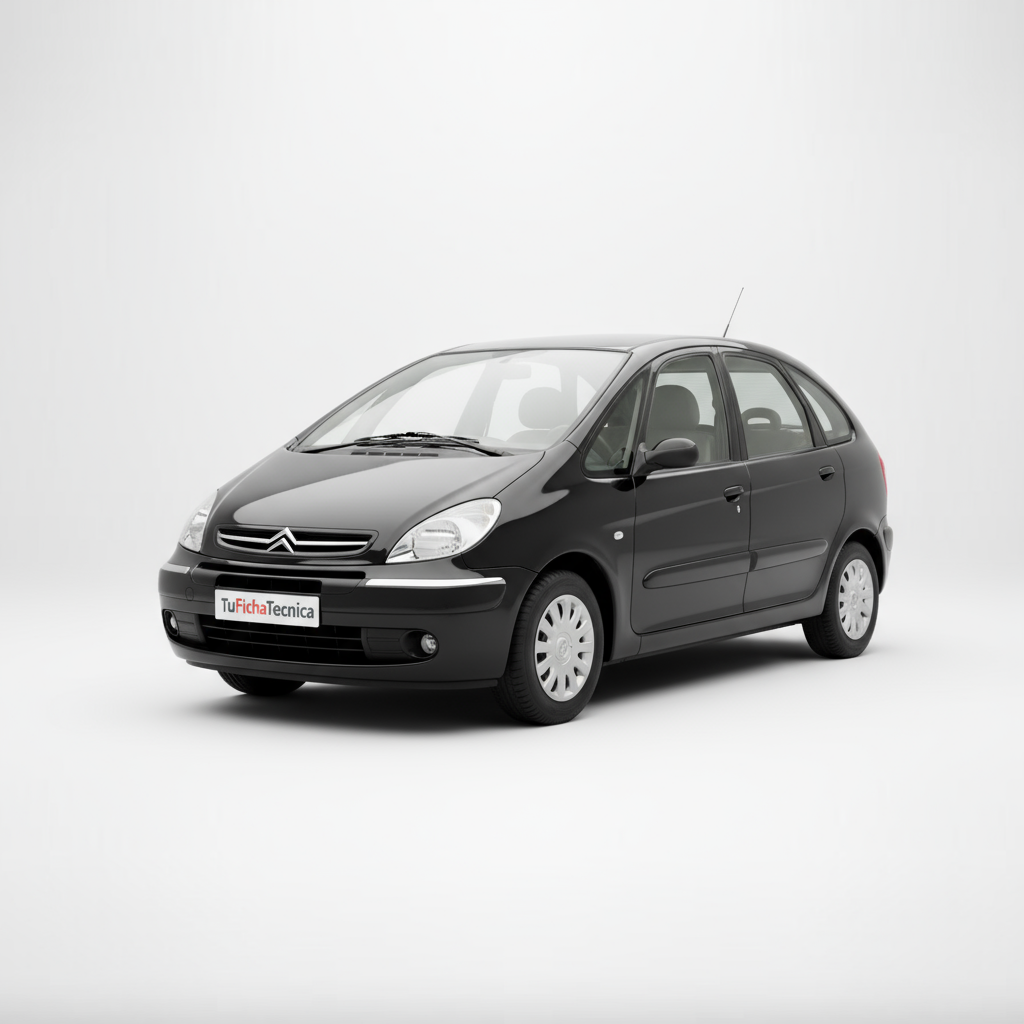
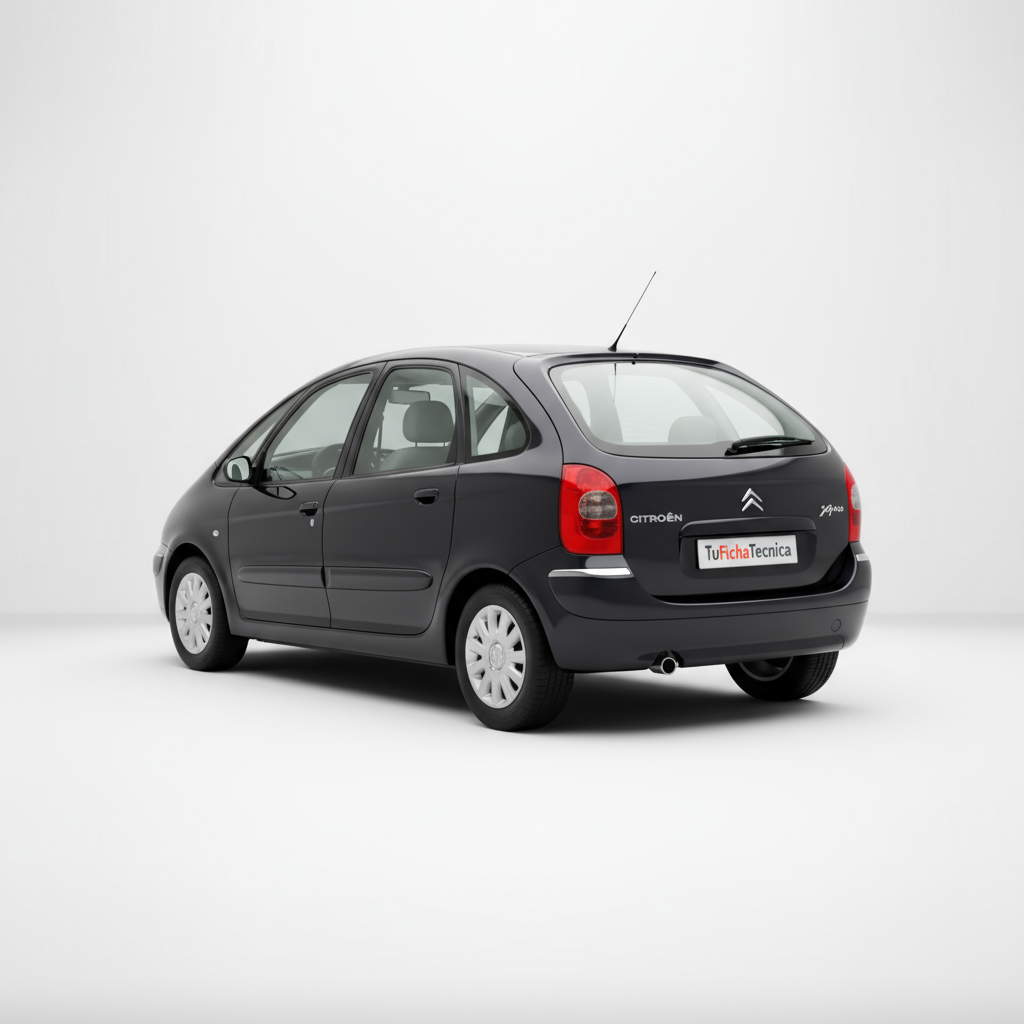
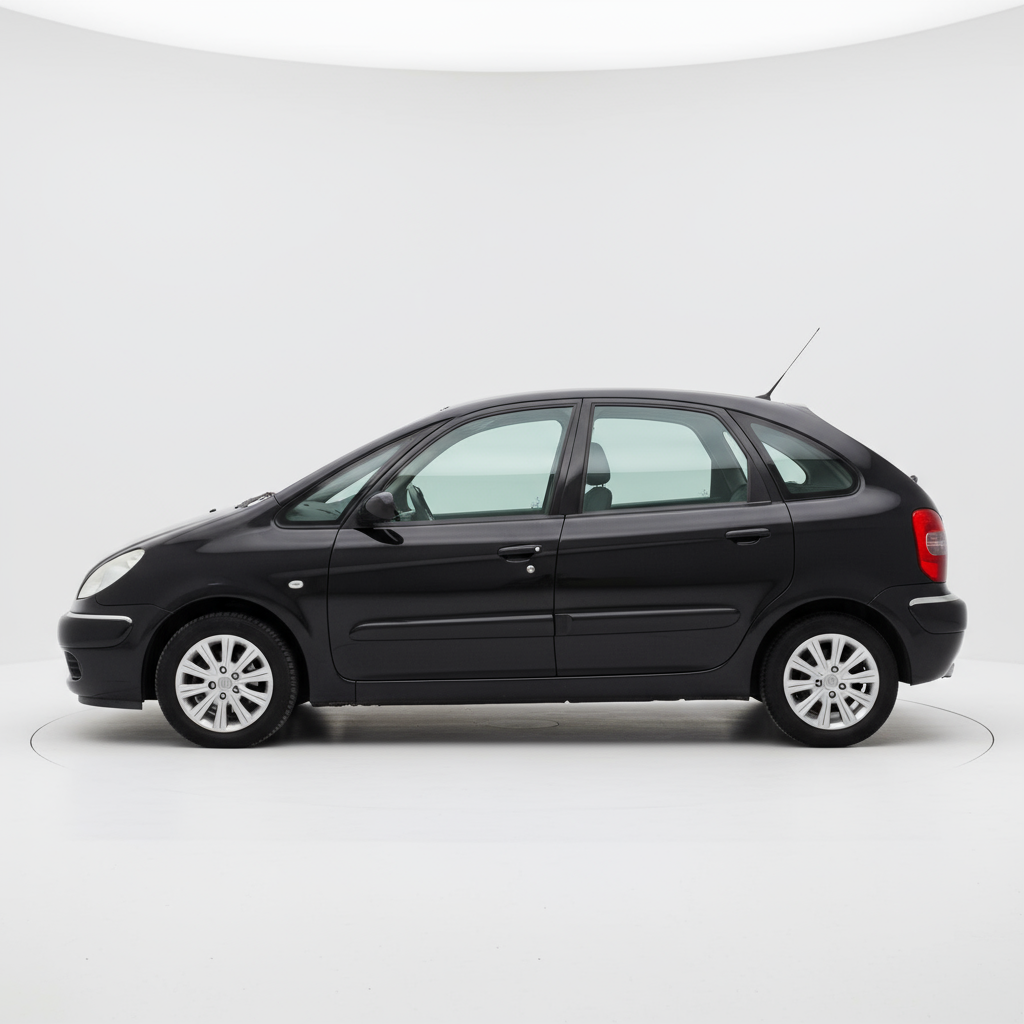
Detailed analysis of the Citroën Xsara Picasso SX HDi 90 · 90 CV (2010-2011)
General description
The Citroën Xsara Picasso is not just a car; it's the memory of an era and the symbol of a family revolution. When it arrived, it broke the mold with a proposal focused on space, light, and a modularity that won over thousands of families. It was the faithful travel companion that proved a practical vehicle could also have a soul and an overwhelming personality, becoming an icon of the compact MPV.
Driving experience
Driving the Xsara Picasso is an experience of serenity. Its 90-horsepower HDi engine doesn't seek speed, but efficiency and calm. Every journey feels like a peaceful ride, thanks to an extraordinarily smooth suspension that floats over road imperfections, prioritizing passenger comfort above all else. The steering is light, and the five-speed manual gearbox does its job without fuss. It's a car that invites you to enjoy the scenery through its huge windows, without rushing, feeling how the engine's torque moves you sufficiently from low revs in the city.
Design and aesthetics
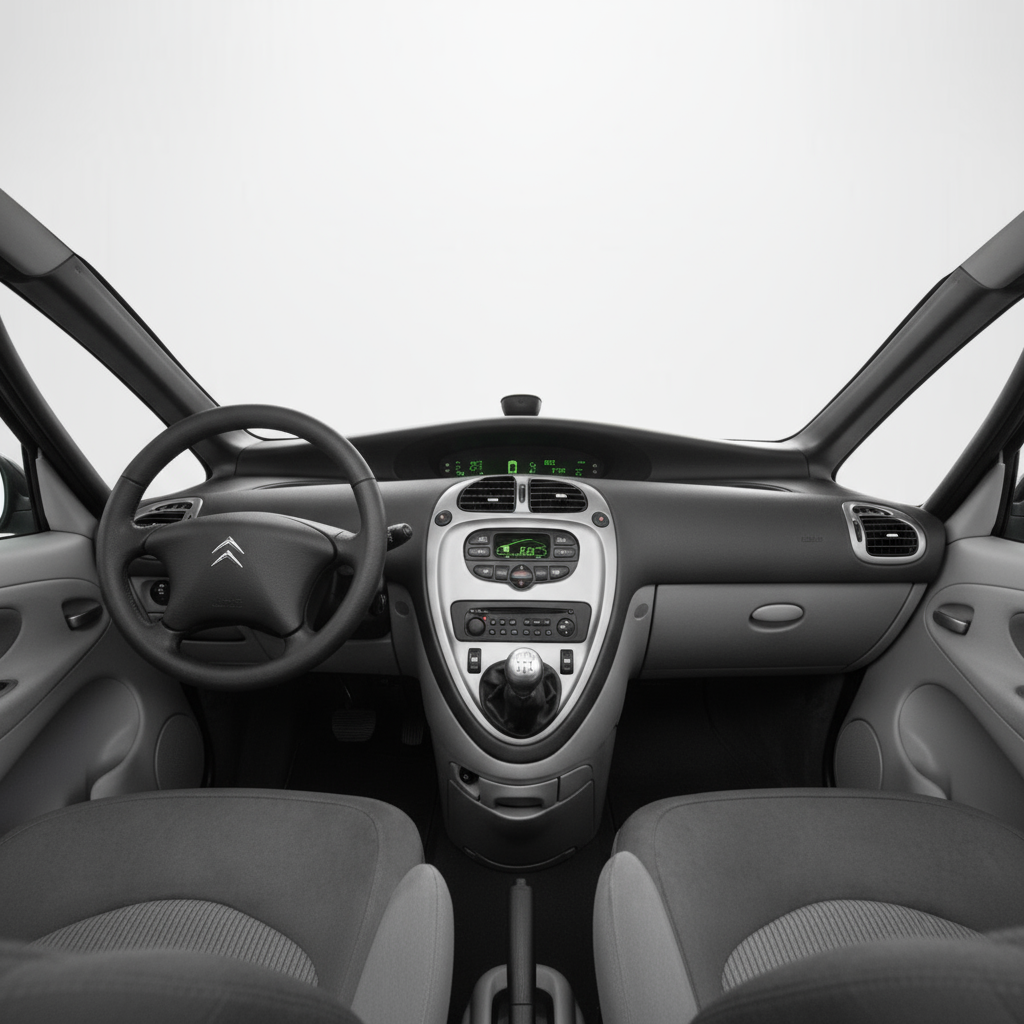
Its teardrop-shaped design was a statement of intent: function creates form. This rounded and friendly silhouette maximized an interior space that felt vast and bright. Inside, it was pure magic. Three identical, independent, and removable rear seats, a completely flat floor, and countless storage compartments turned it into a rolling lounge. The central digital instrumentation, futuristic for its time, cleared the driver's field of vision, creating a unique sense of spaciousness. It's a design that, even today, is exciting for its intelligence and its focus on people.
Technology and features
The technology of the Xsara Picasso was of its time, focused on functionality and simplicity. Its greatest audacity was the central digital dashboard, which grouped all information clearly and visibly for everyone. It had essential safety features like ABS and airbags, and comforts like air conditioning. However, it lacks touch screens, advanced connectivity, or modern driving assistants. Its technology is honest, robust, and easy to understand, without unnecessary complications.
Competition
The Xsara Picasso fought in a fiercely competitive segment. Its main adversary was the Renault Scénic, the pioneer of the category. It also faced the Opel Zafira, which offered the advantage of seven seats, and the Ford C-MAX, which opted for a more dynamic driving experience. Against them, the Picasso defended its position with superior ride comfort, an unmistakable design, and an interior that was a marvel of versatility and space, managing to steal the hearts of many.
Conclusion
The Citroën Xsara Picasso is much more than a simple MPV; it's a key piece in the history of the family car. It represents Citroën's genius for creating vehicles designed for real life, where comfort and practicality are the true luxury. Although it may seem technologically outdated today, its spirit lives on. It's a car that more than fulfilled its promise: to be the safe and versatile space for creating unforgettable memories on every journey.