
Especificaciones y análisis del Citroën Xsara Picasso
Power
109HP
Torque
240Nm
Consumption
5.1l/100
Emissions
136g/km
0-100 km/h
10.8s
Top Speed
183km/h
Weight
1398kg
Price
18,205€
Technical summary
Gasóleo
Manual 5v
FWD
5 / 5 doors
550 L
60 L
80 kW
Current
Technical specifications
Engine
Capacities
Detailed analysis of the Citroën Xsara Picasso HDi 110 FAP SX Top · 109 CV (2004-2007)
General description
The Citroën Xsara Picasso is not just a car, it's the memory of countless family trips. Launched at a time when compact minivans reigned, it arrived with a bold proposal and a groundbreaking design, instantly becoming an icon of versatility and space. It represents a philosophy where functionality and comfort were not at odds with a unique and endearing personality.
Driving experience
Getting behind the wheel of the Xsara Picasso with the 109-horsepower HDi engine is to rediscover the pleasure of unhurried travel. Its thrust is smooth yet constant thanks to torque available from low revs, ideal for relaxed driving and very low fuel consumption. It doesn't seek sporty sensations, but rather to offer exceptional ride comfort, filtering out road irregularities with a gentleness that isolates you from the outside. The steering is light and the five-speed manual gearbox does its job simply, making every journey a serene and pleasant experience.
Design and aesthetics
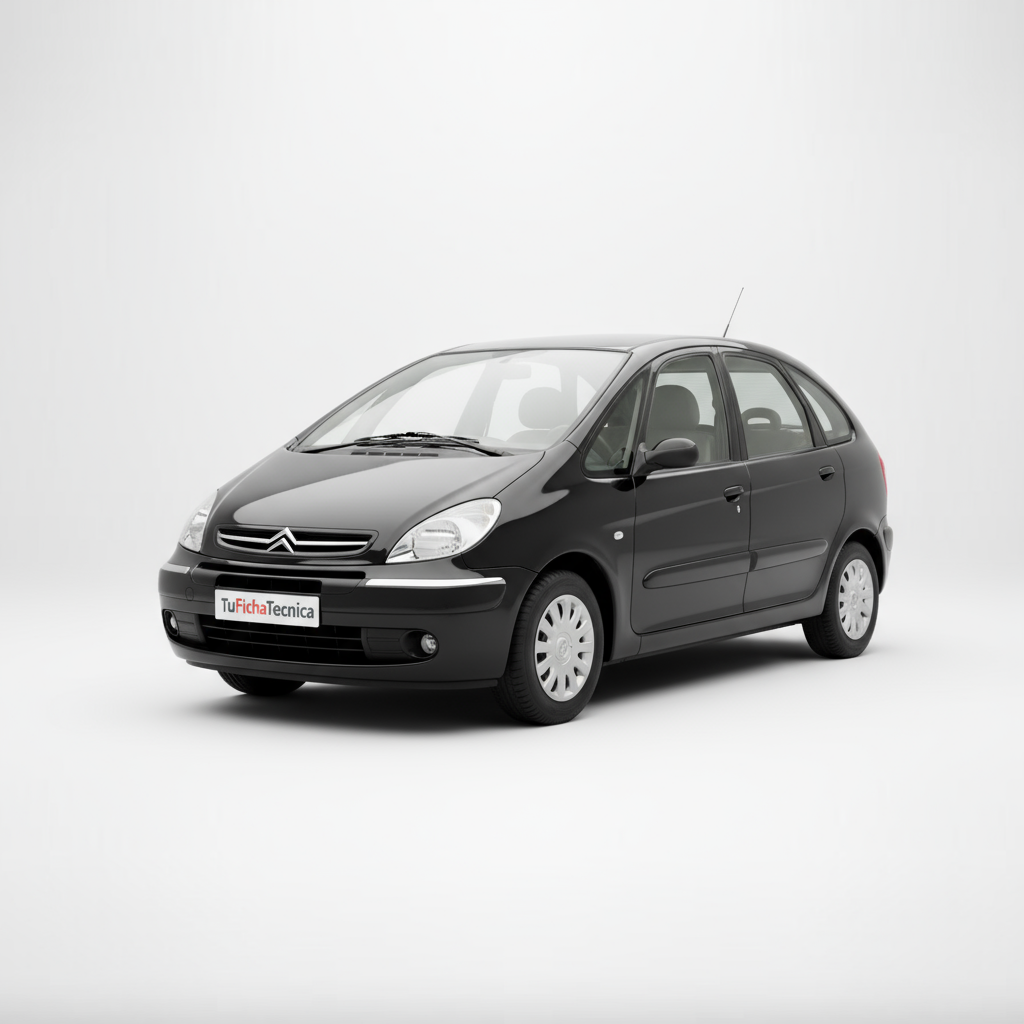
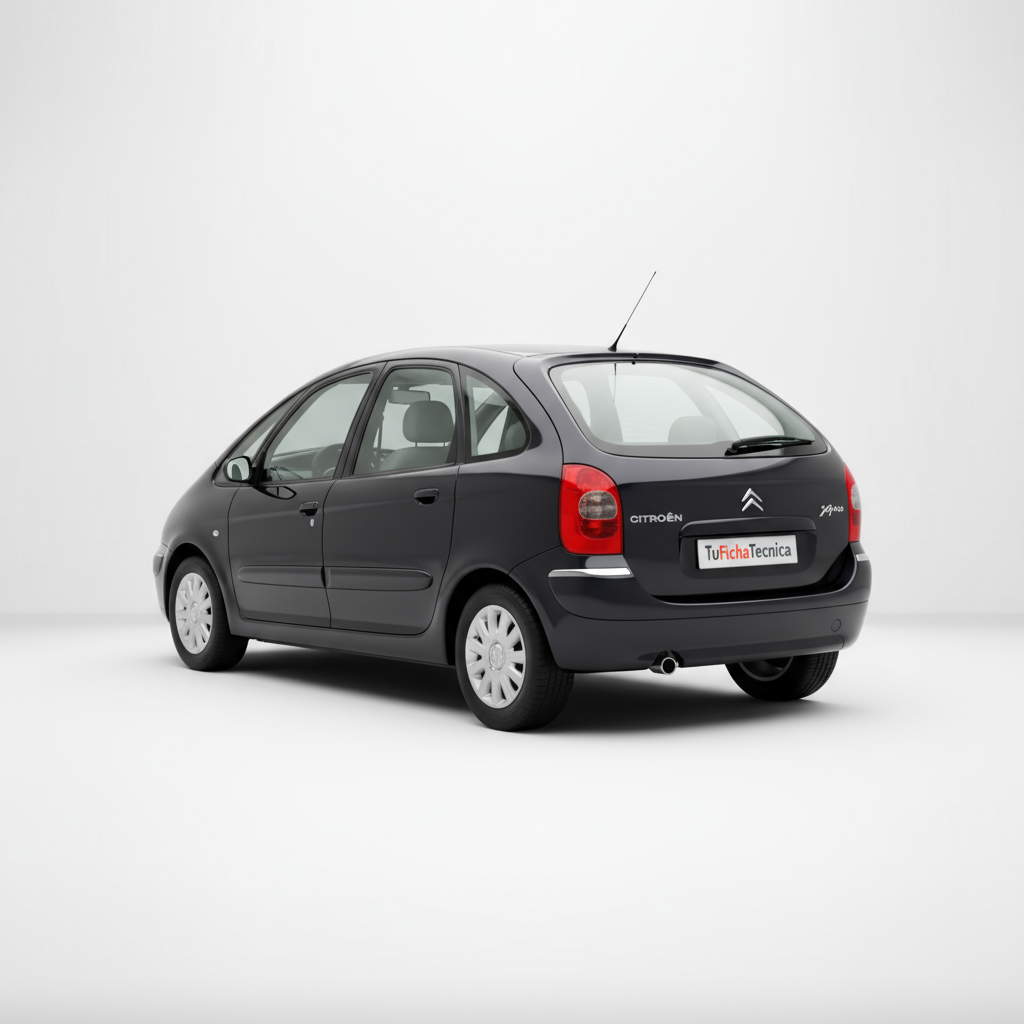
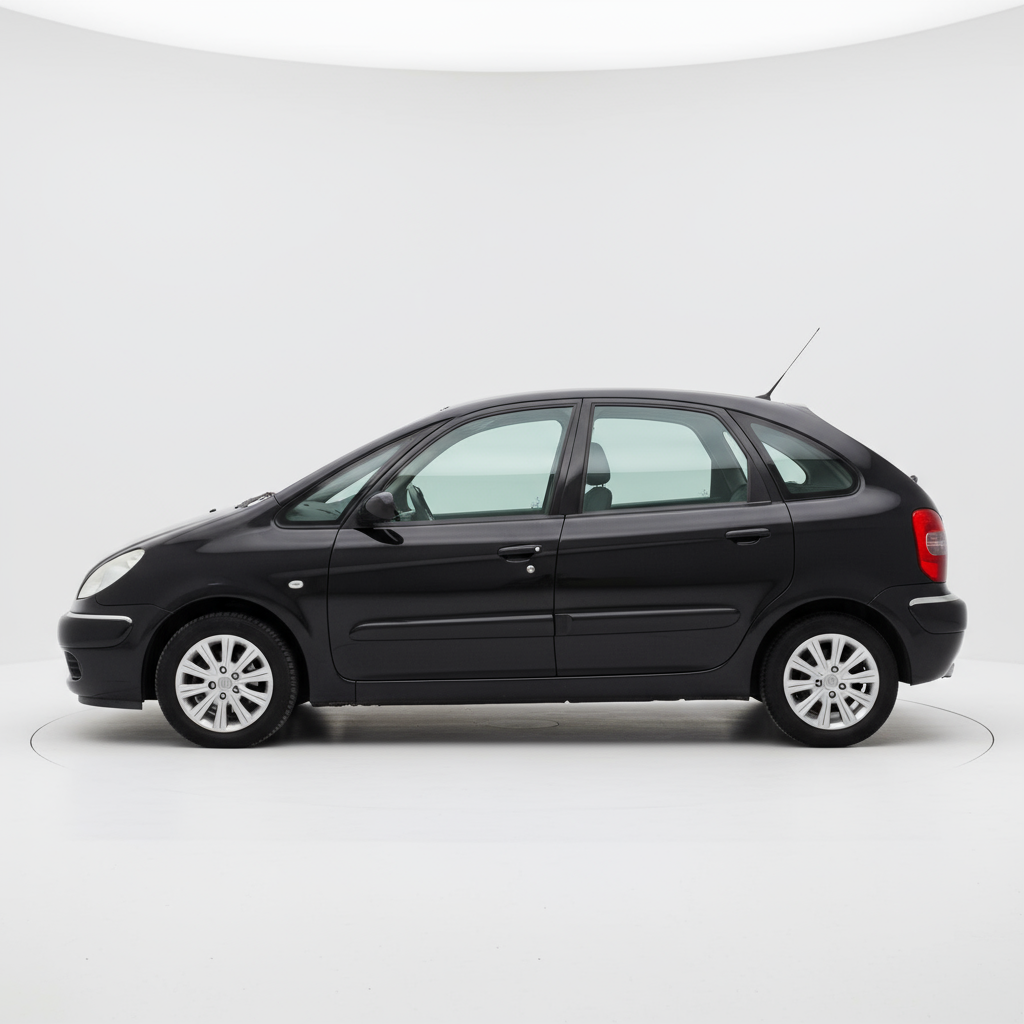
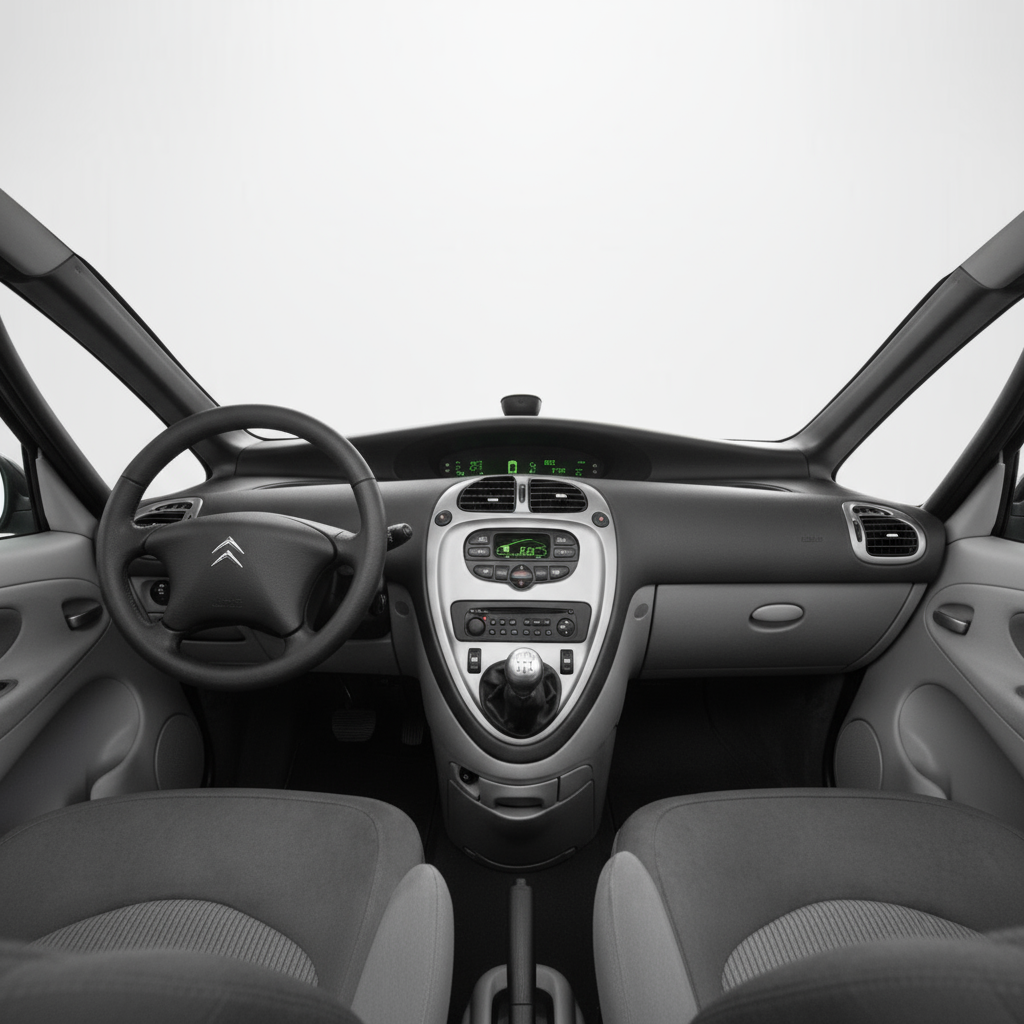
Its rounded silhouette, almost like a drop of water, was a statement of intent. The design of the Xsara Picasso is unforgettable, with a huge glass surface that floods the cabin with light and offers panoramic visibility. Inside, the magic continues with a dashboard dominated by a central digital instrumentation, a futuristic solution for its time. But its true genius lies in its modularity: three individual and identical rear seats that turn it into a rolling lounge, a space for living and sharing.
Technology and features
Although it may seem simple today, at the time the Xsara Picasso offered intelligent technological solutions. The 1.6 HDi engine with common-rail direct injection and a particulate filter (FAP) was an example of efficiency and environmental respect for its era. The centralized digital instrumentation was not only a design feature but also aimed to improve ergonomics and safety by keeping the driver's eyes closer to the road. Elements like the on-board computer or the multiple storage compartments demonstrated a focus on making life on board easier.
Competition
In the competitive battlefield of minivans, the Xsara Picasso faced giants like the Renault Scénic, its arch-enemy and the pioneer of the segment. It also had to compete with the Opel Zafira and its ingenious seven-seat system, or with the sobriety and build quality of the Volkswagen Touran and the dynamism of the Ford Focus C-Max. Against them, the Picasso played the card of charismatic design, superior suspension comfort, and exceptional interior modularity with its three equal rear seats.
Conclusion
The Citroën Xsara Picasso is much more than a practical vehicle; it's a chapter in the history of many families. Its combination of a bold design, superb ride comfort, and outstanding roominess made it a resounding success. Despite the years, it remains a smart choice for anyone looking for space and economy without giving up a car with soul. It is a vehicle that wins your heart with its honesty and its ability to create unforgettable memories.