
Especificaciones y análisis del Citroën Grand C4 Picasso
Power
136HP
Torque
270Nm
Consumption
5.9l/100
Emissions
155g/km
0-100 km/h
12.5s
Top Speed
195km/h
Weight
1695kg
Price
28,254€
Technical summary
Gasóleo
Automático 6v
FWD
7 / 5 doors
576 L
60 L
100 kW
Current
Technical specifications
Engine
Capacities
Detailed analysis of the Citroën Grand C4 Picasso HDi 135 CMP Exclusive Plus · 136 CV (2010)
General description
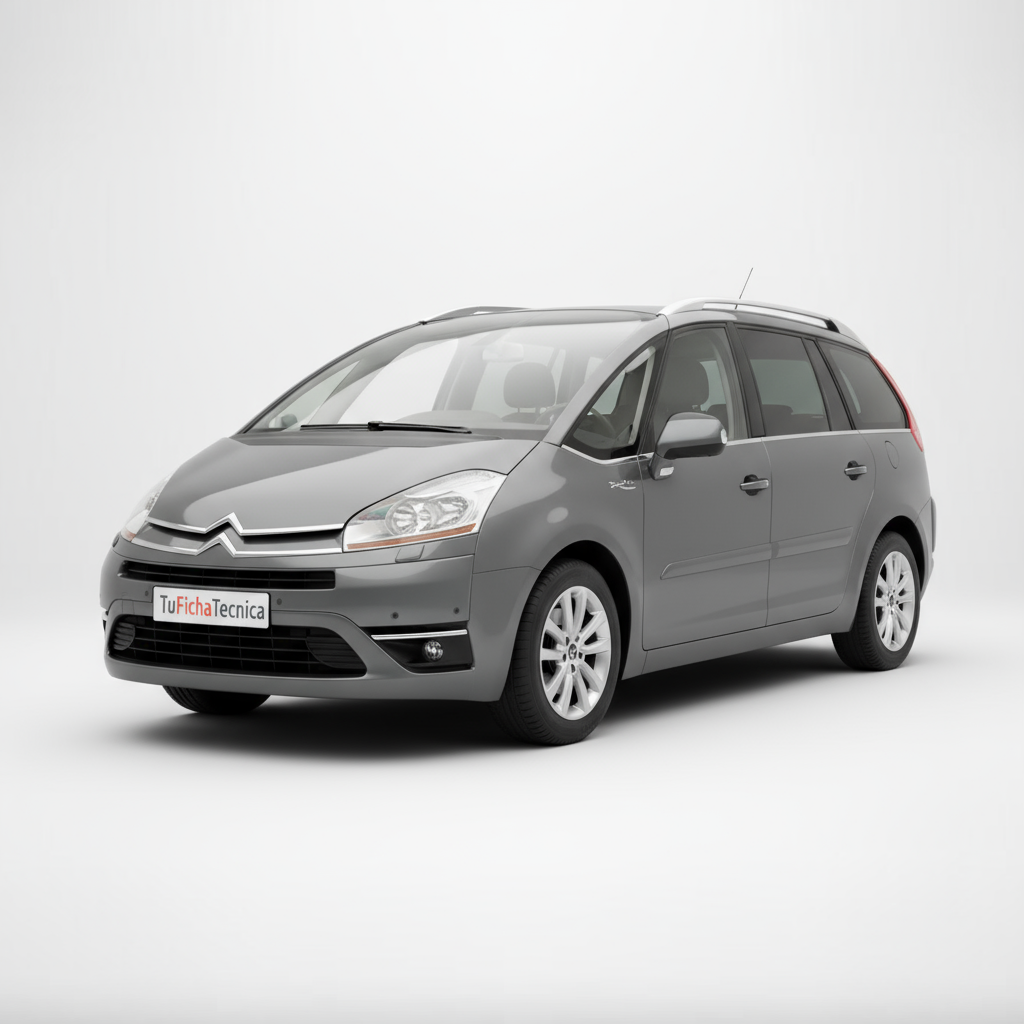
The 2007 Citroën Grand C4 Picasso was not just another minivan; it was a statement of intent, an ode to space, light, and family comfort. It arrived to redefine what it meant to travel as a family, transforming every journey into a panoramic and relaxing experience, almost like floating in a glass bubble.
Driving experience
Behind the wheel, the Grand C4 Picasso envelops you in an atmosphere of absolute calm. Its 136-horsepower HDi engine, paired with the CMP automated manual gearbox, doesn't seek adrenaline but rather smoothness and ease. The feeling is like driving a rolling lounge, where the immense panoramic windshield immerses you in the landscape and the suspension filters out road imperfections with superb delicacy. It's a car that invites you to enjoy the journey without rushing, prioritizing the well-being of all passengers.
Design and aesthetics
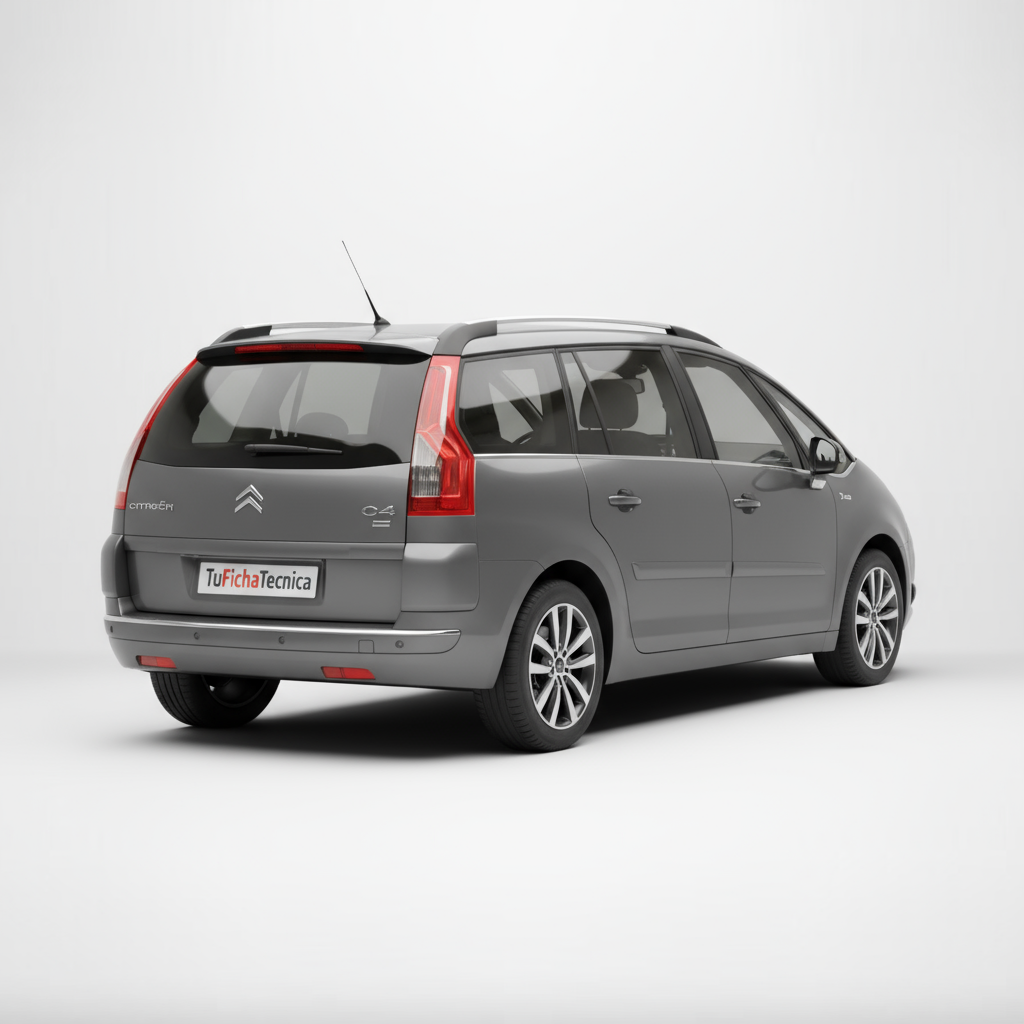
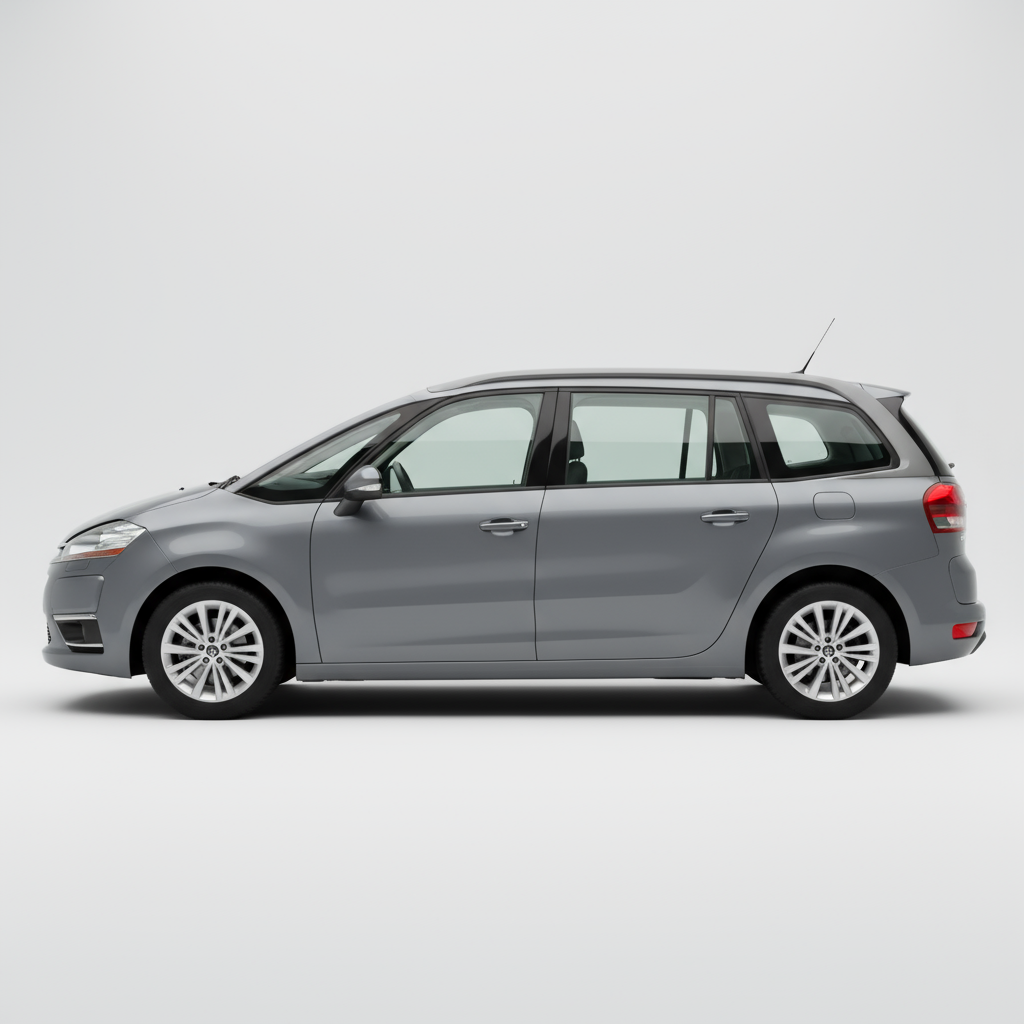
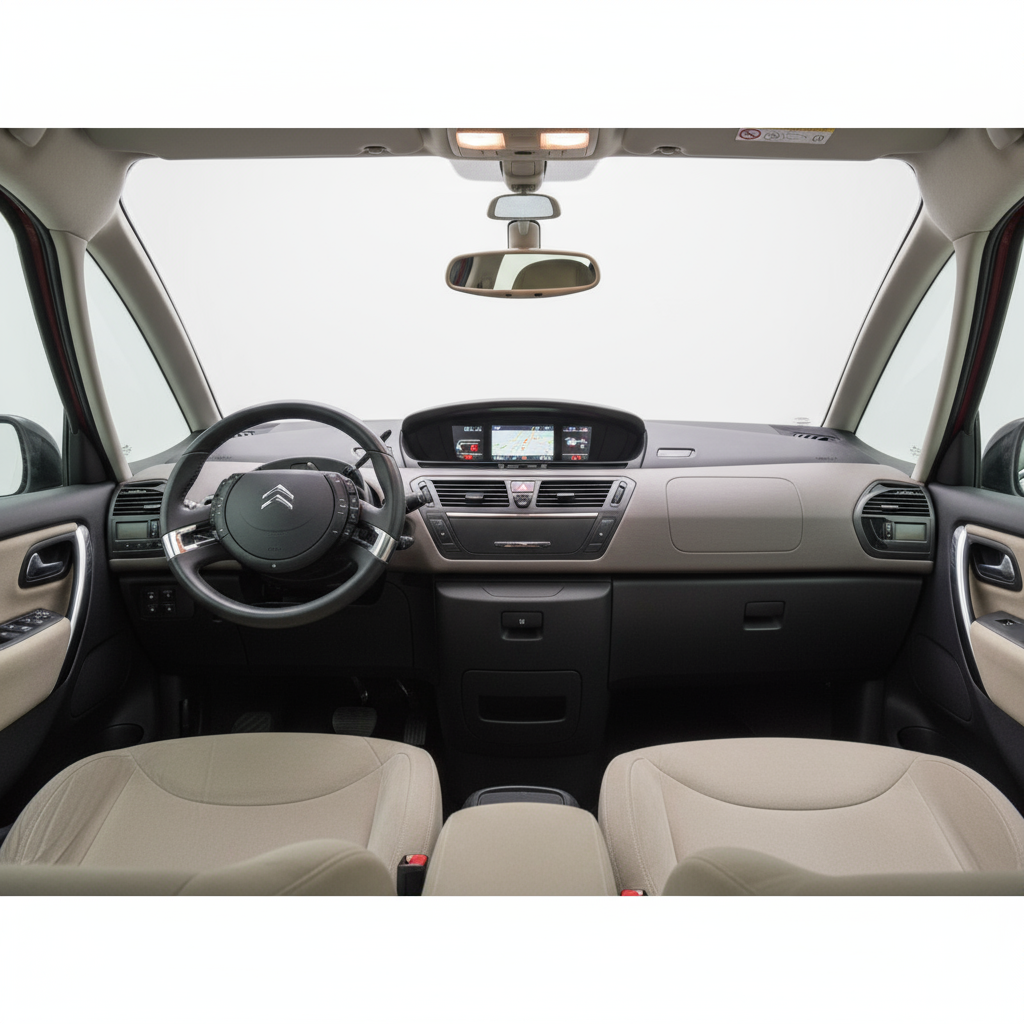
Its design was a true revolution. Citroën called it 'Visiospace,' and for good reason. The glass surface, with that seemingly endless windshield, flooded the cabin with light and created a sense of spaciousness unknown in its category. Inside, the boldness continued with a centralized digital instrument cluster and a fixed-hub steering wheel that looked like something out of a spaceship. Its modularity, with seven independent seats, made it the perfect ally for any family adventure.
Technology and features
For its time, the Grand C4 Picasso was at the forefront. It incorporated solutions that are common today but made a difference back then, such as the electric parking brake, hill-start assist, or an advanced climate control system. The central screen brought together navigation and multimedia functions, while the automated manual gearbox represented an attempt to combine comfort and efficiency. It was a technological showcase designed to make life on board easier and more pleasant.
Competition
In a very competitive market, it faced giants like the Renault Grand Scénic, the Ford S-MAX, and the Volkswagen Touran. While its rivals focused on dynamism or German sobriety, the Citroën played a unique and winning card: supreme comfort and an avant-garde design that made it unmistakable. It stood out for being the brightest, the most comfortable, and, without a doubt, the most original in its class.
Conclusion
The Citroën Grand C4 Picasso is much more than a family car; it is a sanctuary of tranquility and light. It represents the vision of a brand that has always known how to put people's well-being at the center of its creations. Driving it is to understand that luxury is not always in power, but in space, visibility, and the feeling of traveling in a first-class cabin designed for the whole family. A vehicle that left an indelible mark for its audacity and its human-centric approach.