
Especificaciones y análisis del Citroën DS5
Power
114HP
Torque
285Nm
Consumption
4.4l/100
Emissions
114g/km
0-100 km/h
12.4s
Top Speed
191km/h
Weight
1495kg
Price
26,190€
Technical summary
Gasóleo
Automático 6v
FWD
5 / 5 doors
468 L
60 L
84 kW
Current
Technical specifications
Engine
Capacities
Detailed analysis of the Citroën DS5 e-HDi 115 Airdream CMP6 Design · 114 CV (2012-2013)
General description
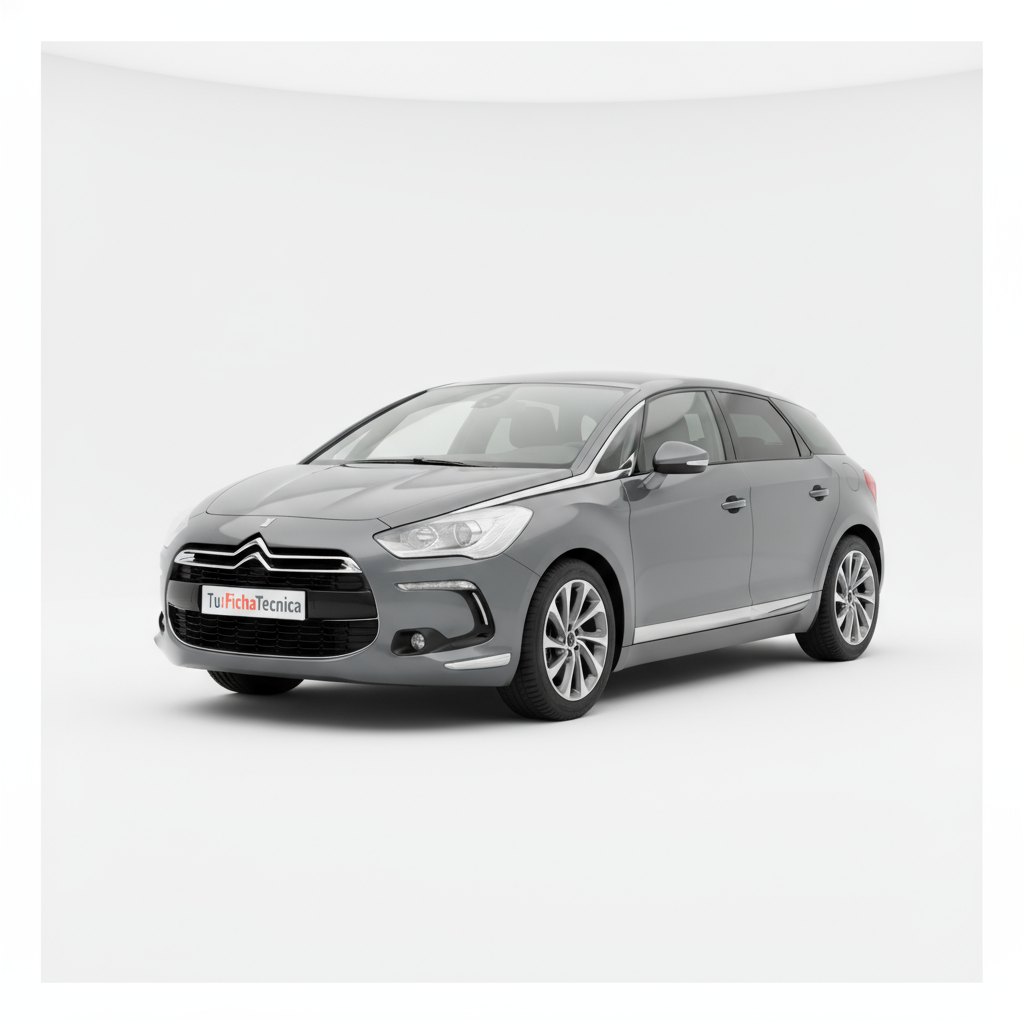
The Citroën DS5 is not a car, it's a statement of intent. Launched in 2012, it represented Citroën's audacity and desire to once again play in the league of design and exclusivity. It is a vehicle for those who seek to feel something different behind the wheel, prioritizing aesthetics and uniqueness over pure performance, a haven of avant-garde design in a sea of conventionalism.
Driving experience
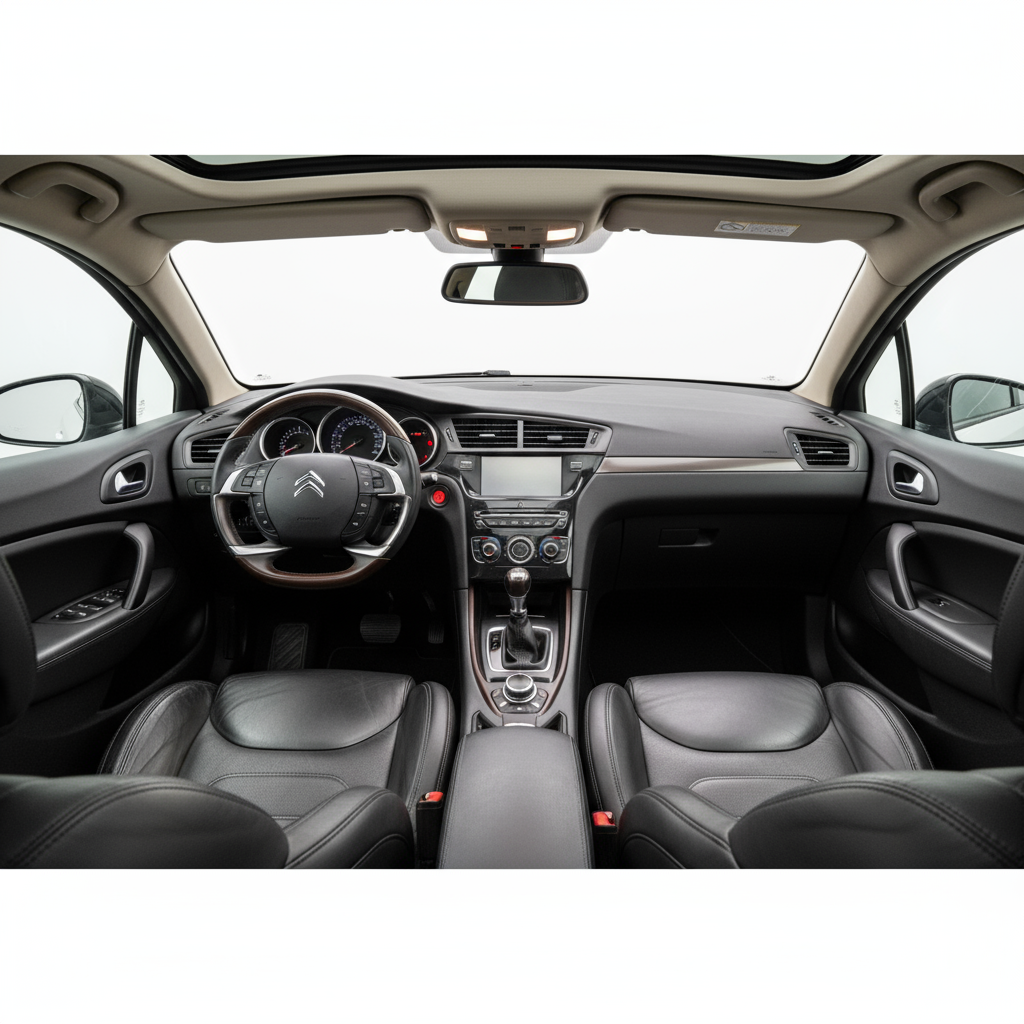
Driving the DS5 is an experience focused on comfort and the journey. Its 114 HP e-HDi engine moves the car with ease and surprising efficiency, but without any sporty pretensions. The most characteristic sensation comes from its CMP6 automated manual gearbox, a transmission that requires getting used to its leisurely pace, sometimes jerky in the city, but which promotes minimal fuel consumption on the highway. It's not a car for racing, but for letting yourself be enveloped by its airplane cockpit atmosphere and enjoying the scenery with remarkable ride quality, feeling like you're piloting a special craft.
Design and aesthetics
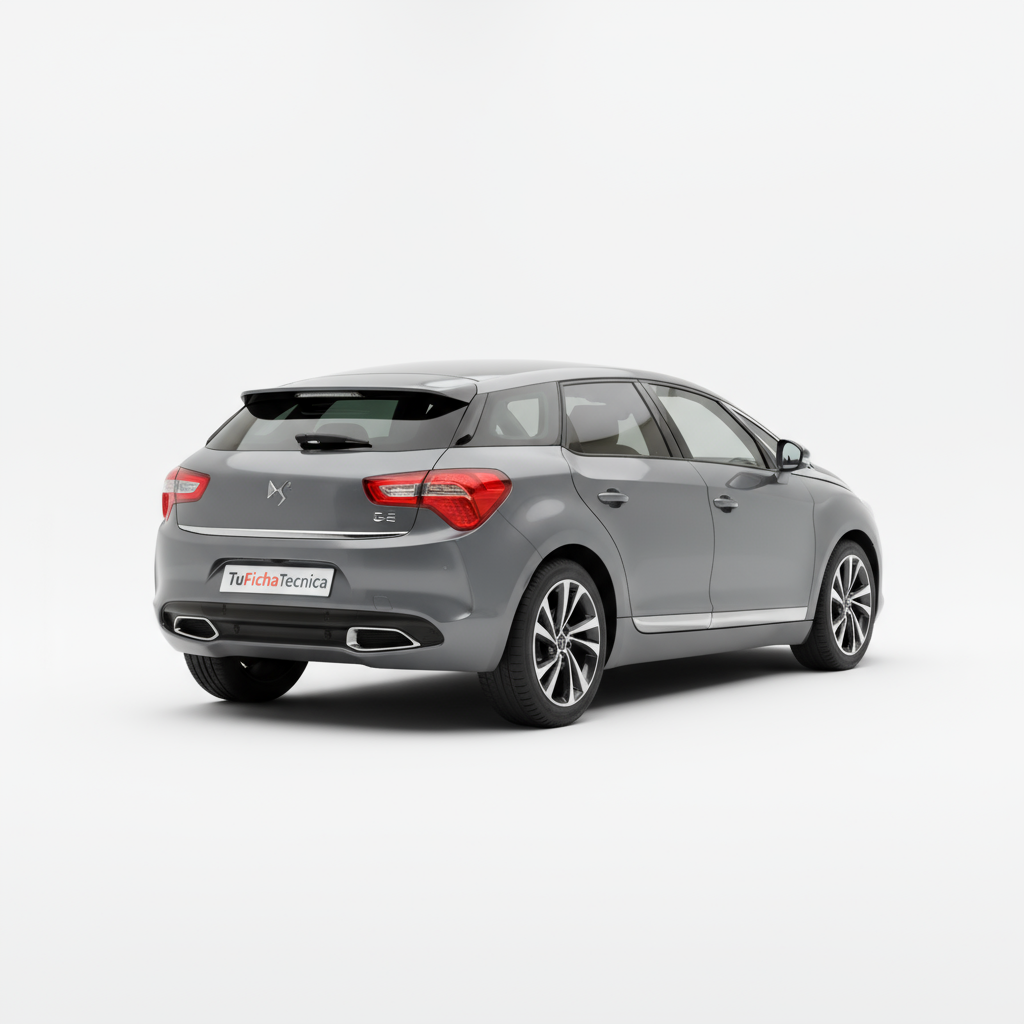
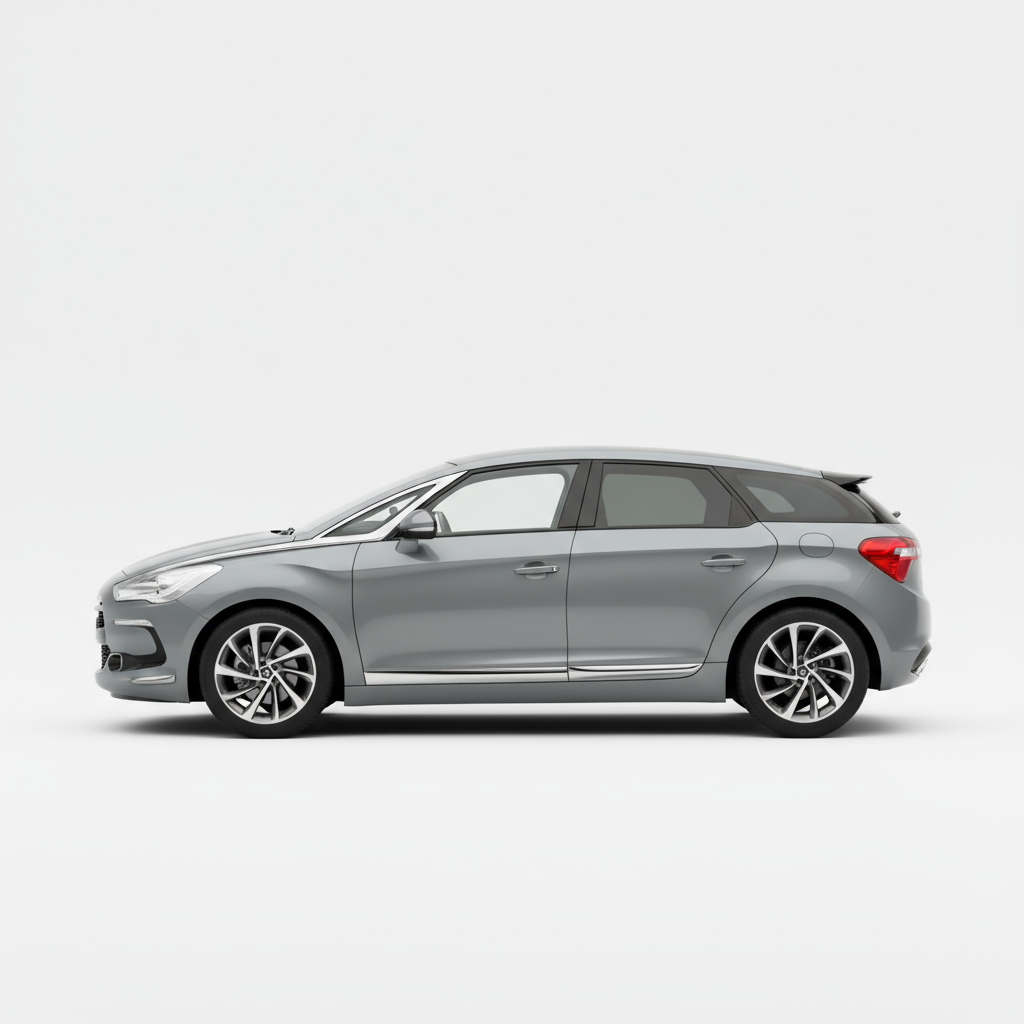
This is where the DS5 becomes a work of art. Its body is a sculpture that merges the lines of a sedan and a station wagon with provocative elegance. The iconic chrome 'sabre' that runs from the headlight to the A-pillar is an unforgettable signature. But it's the interior where the magic explodes: a 'cockpit'-style driving position that embraces you, with a roof console full of aeronautical switches and a panoramic roof divided into three parts. Sitting inside is like being transported into a concept car made real.
Technology and features
For its time, the DS5 offered a remarkable technological arsenal. Features like the color Head-Up Display, which projected information onto a screen in front of the driver, or the complex panoramic roof, placed it a step ahead. The infotainment system, although it may seem outdated today, effectively integrated navigation and connectivity. The e-HDi micro-hybrid technology with its Stop & Start system was a pillar of its efficiency, proving that design was not at odds with ecological awareness.
Competition
The DS5 was a difficult car to categorize, creating its own niche. It did not compete directly with German sedans like the Audi A4 or the BMW 3 Series, but rather targeted a customer looking for style and distinction. Its true rivals were other vehicles with a strong design component, such as the Volkswagen Passat CC, or even alternatives from its own house like the Peugeot 508, with which it shared a platform but not a soul. It measured up against anyone offering an alternative to the 'status quo'.
Conclusion
The Citroën DS5 is a purely emotional purchase. It is an imperfect car, with an automated manual gearbox that fails to charm and improvable rear passenger space, but its virtues are so powerful that they overshadow its flaws for anyone attracted to its proposition. It is a unique automotive experience, a car that makes you feel special every time you get behind the wheel. A bold bet that, over time, has earned the status of a future classic.