

Especificaciones y análisis del Citroën C4 Picasso
Power
140HP
Torque
200Nm
Consumption
8l/100
Emissions
190g/km
0-100 km/h
11.3s
Top Speed
195km/h
Weight
1586kg
Price
22,350€
Technical summary
Gasolina
Automático 6v
FWD
5 / 5 doors
500 L
60 L
103 kW
Current
Technical specifications
Engine
Capacities
Detailed analysis of the Citroën C4 Picasso 2.0i 16v CMP SX · 140 CV (2007-2008)
General description
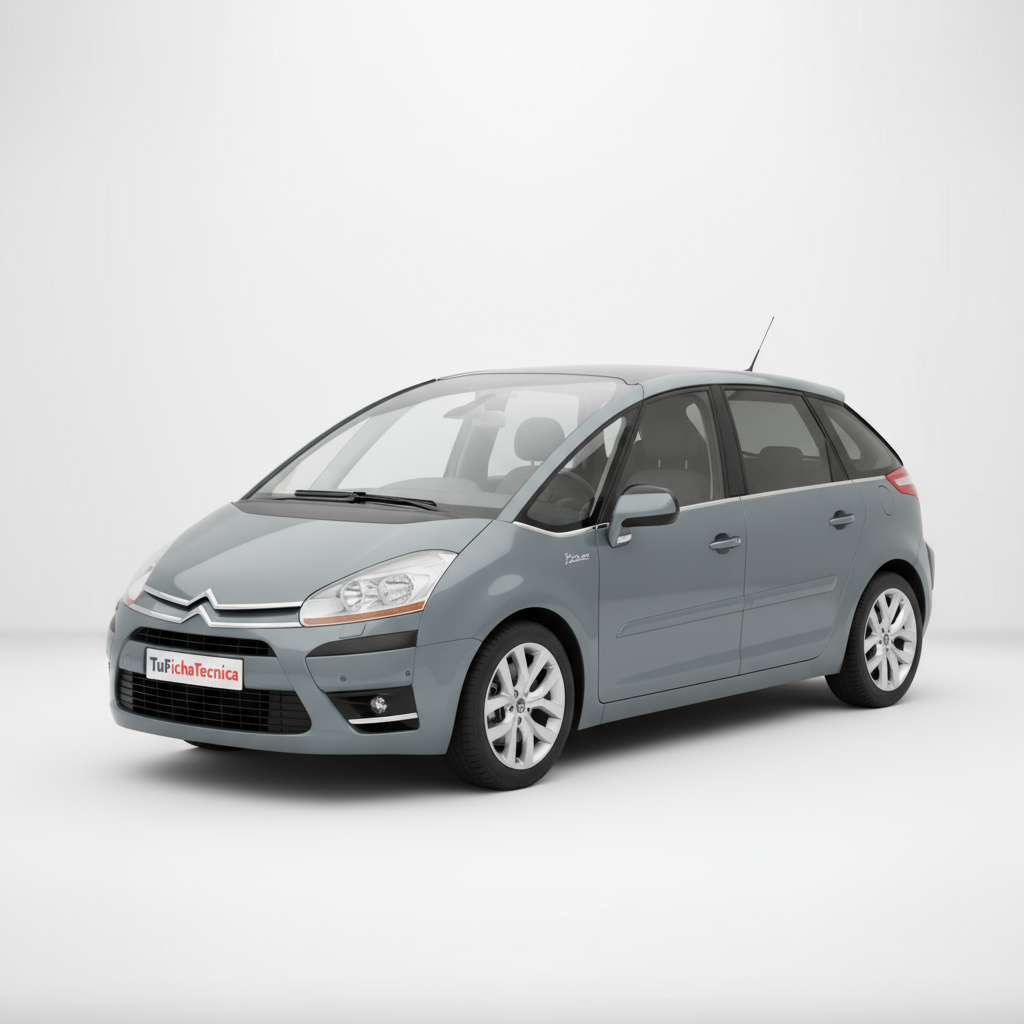
The 2007 Citroën C4 Picasso burst onto the market like a breath of fresh air, an MPV that not only transported the family but enveloped them in a unique travel experience. It was the materialization of Citroën's 'Visiospace' concept, a promise of light, space, and well-being on board that redefined what we expected from a family car.
Driving experience
Driving the C4 Picasso is like immersing yourself in an oasis of comfort. Its 2.0-liter, 140-horsepower engine offers a capable response for stress-free travel, although its true calling is tranquility. The suspension filters out irregularities with exceptional smoothness, creating a magic carpet-like sensation. The CMP automated manual gearbox, though innovative for its time, adds a peculiar character with sometimes leisurely transitions that encourage relaxed driving. The immense glass surface floods the cabin with light, generating an unparalleled feeling of freedom and connection with the outside.
Design and aesthetics
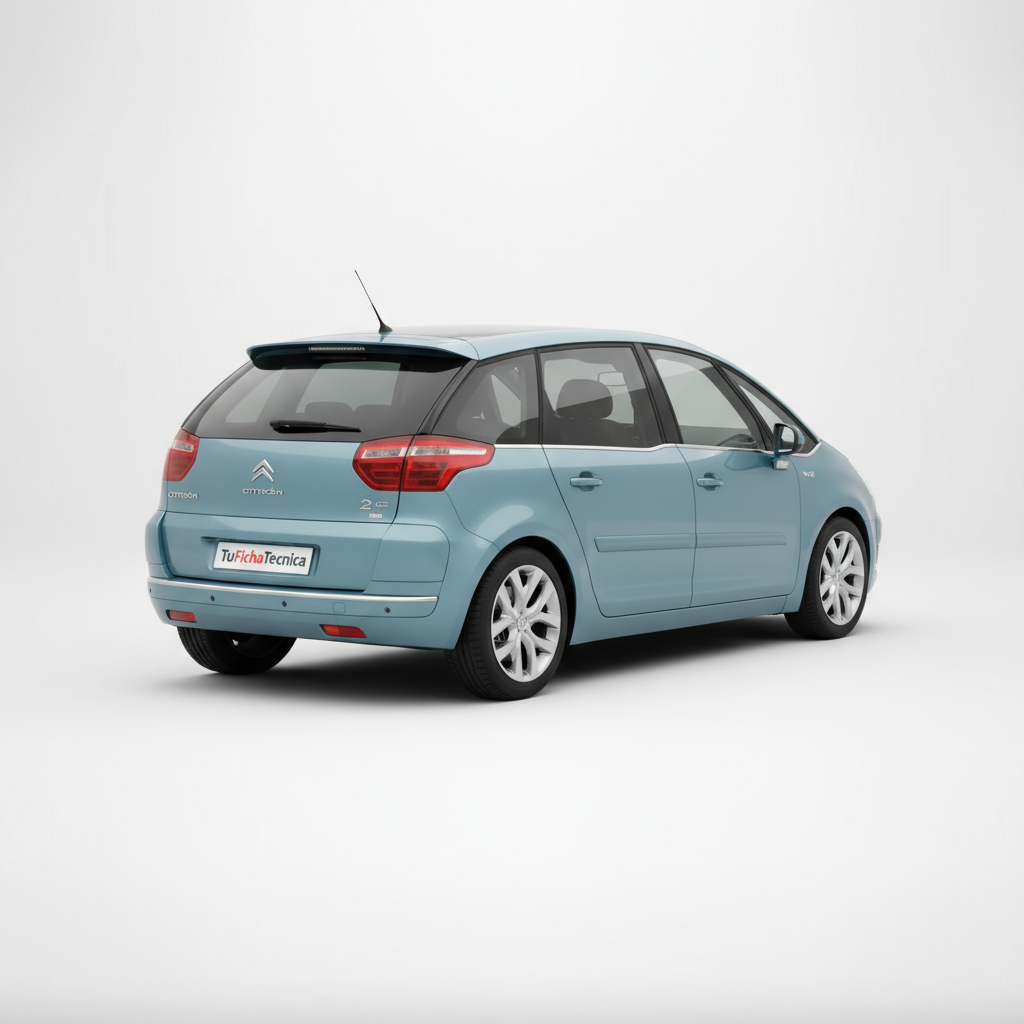
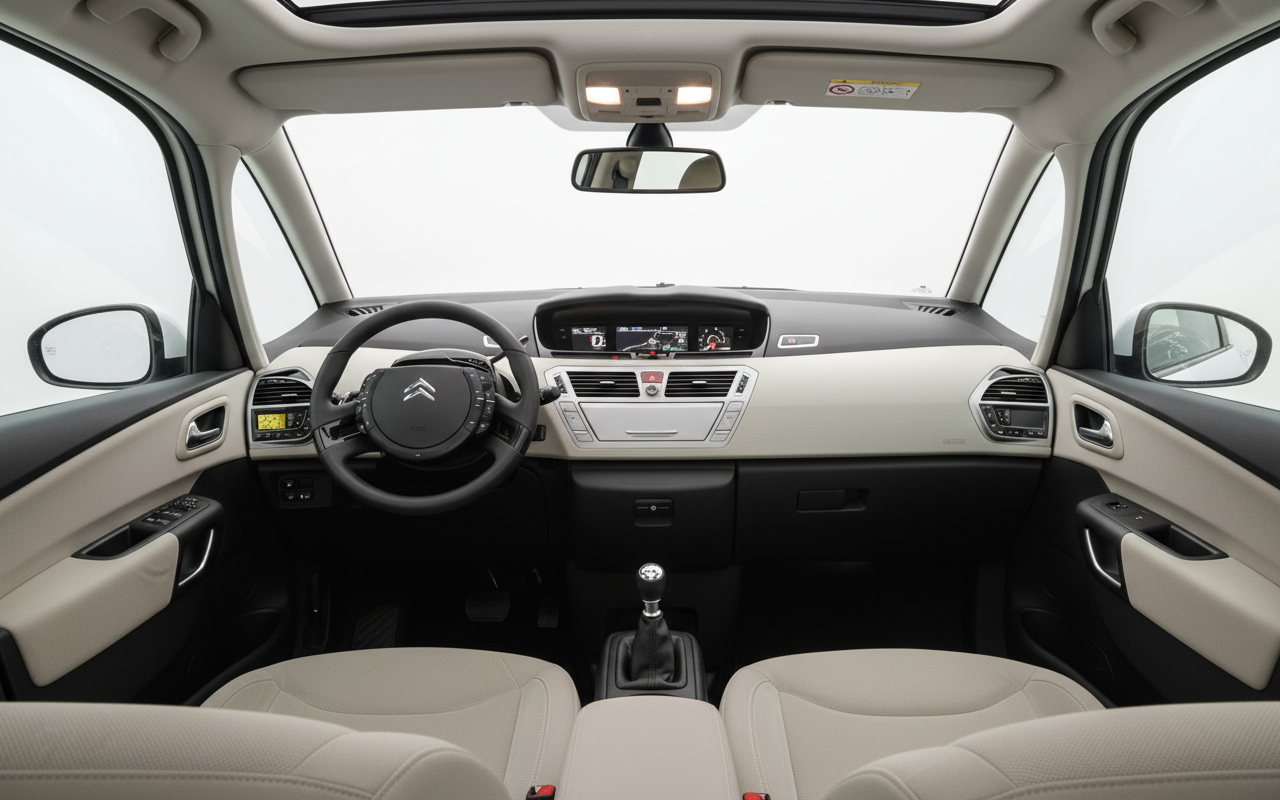
Its design was a statement of intent, a rolling sculpture that escaped the boxy shapes of its competitors. The panoramic windshield that blends into the roof is its most iconic feature, a feat that creates an incredibly bright and airy interior. Inside, the audacity continues with a fixed-hub steering wheel and centralized digital instrumentation, clearing the driver's field of vision and creating a clean, futuristic dashboard. Every line and every solution sought harmony between aesthetics and family functionality.
Technology and features
For its time, the C4 Picasso was at the forefront. Beyond its innovative automated gearbox, it incorporated solutions like the automatic electric parking brake, which freed up space between the seats, and climate control for individualized comfort. The customizable digital instrumentation and numerous parking, rain, and light sensors demonstrated a clear focus on making life on board easier and safer, anticipating technologies that are common today.
Competition
In a highly competitive segment, it faced giants like the Renault Scénic, the Ford C-MAX, and the Volkswagen Touran. While its rivals opted for sobriety or a more dynamic touch, the C4 Picasso played a completely different card: that of emotional design, supreme comfort, and interior modularity thought out to the last detail. It didn't just compete on numbers, but on sensations, winning over those who were looking for more than just a means of transport.
Conclusion
The Citroën C4 Picasso is not just a car; it's a fond memory for many families. It represents an era when Citroën dared to be different, prioritizing well-being and the travel experience above all else. It's a choice made with the heart, a sanctuary of glass and comfort that, despite the passing years, continues to convey a warmth and originality that make it special. A true home on wheels.