
Especificaciones y análisis del Chrysler Voyager
Power
151HP
Torque
229Nm
Consumption
10.4l/100
Emissions
-g/km
0-100 km/h
12.1s
Top Speed
179km/h
Weight
1705kg
Price
23,343€
Technical summary
Gasolina
Manual 5v
FWD
7 / - doors
450 L
75 L
111 kW
Current
Technical specifications
Engine
Capacities
Detailed analysis of the Chrysler Voyager SE 2.4 · 151 CV (2000-2001)
General description
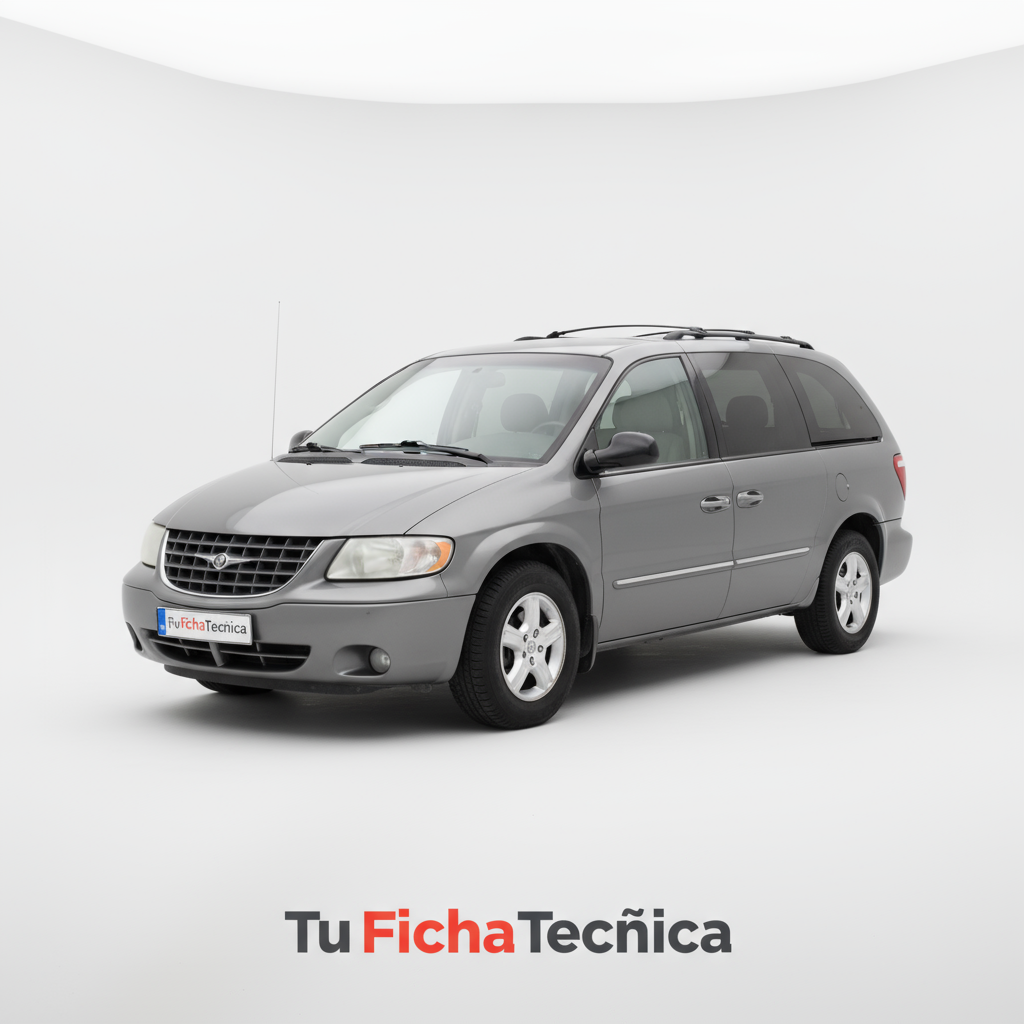
The 1996 Chrysler Voyager SE 2.4 is a minivan that marked an era, offering space and versatility that few vehicles could match. With its 151 hp gasoline engine, it presented itself as a robust and comfortable family option, ideal for long trips and for the daily life of large families. Its design, although classic for the time, promised functionality and an imposing presence on the road.
Driving experience
Behind the wheel of the Voyager SE 2.4, the predominant sensation is one of spaciousness and comfort. The suspension, designed to absorb road irregularities, provides a smooth ride, although not without a characteristic sway of vehicles of its size. The 151 hp engine, while not an excess of power, more than adequately moves the vehicle, offering acceleration from 0 to 100 km/h in 12.1 seconds and a top speed of 179 km/h. The combined consumption of 10.4 l/100km is reasonable for a vehicle of its characteristics and era. The steering, although assisted, may feel somewhat less direct than in more modern cars, but contributes to a relaxed and uneventful drive. It is a car to enjoy the journey, not to seek sporty sensations.
Design and aesthetics
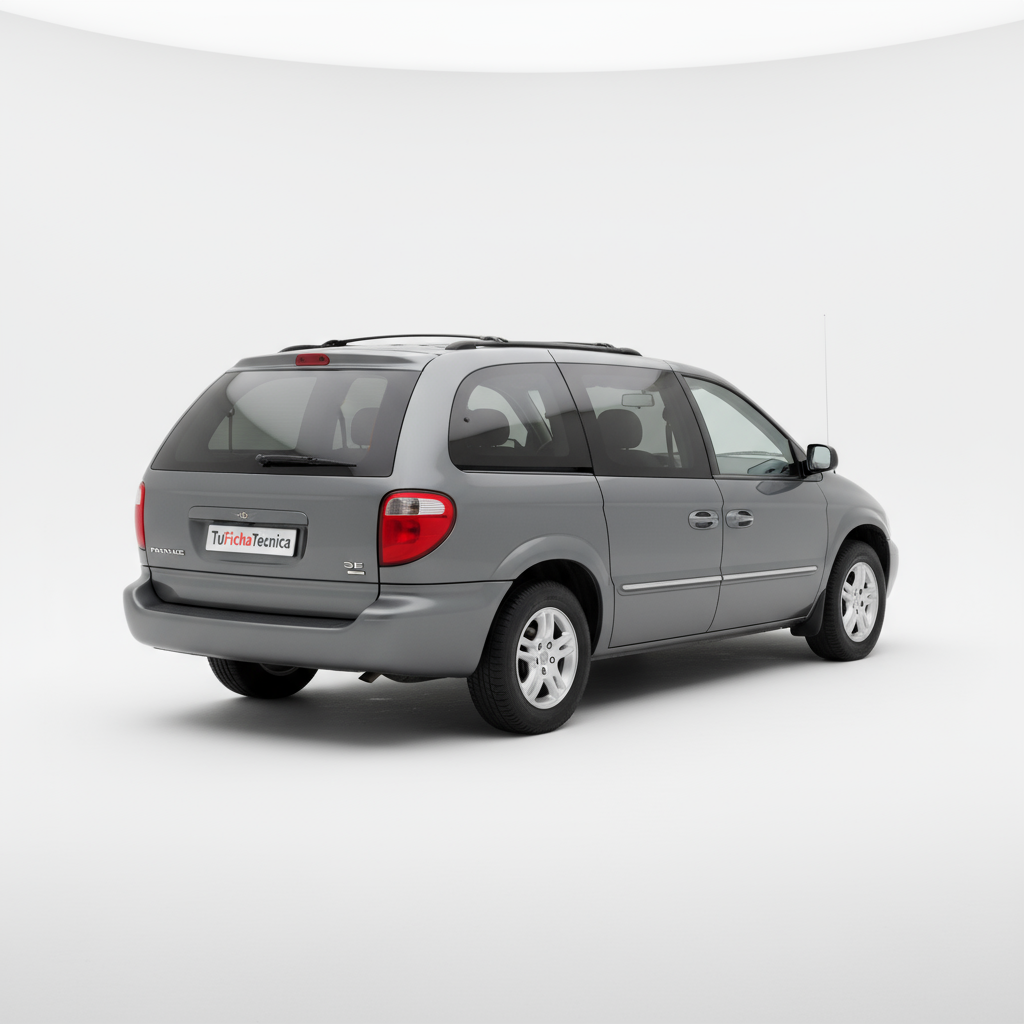
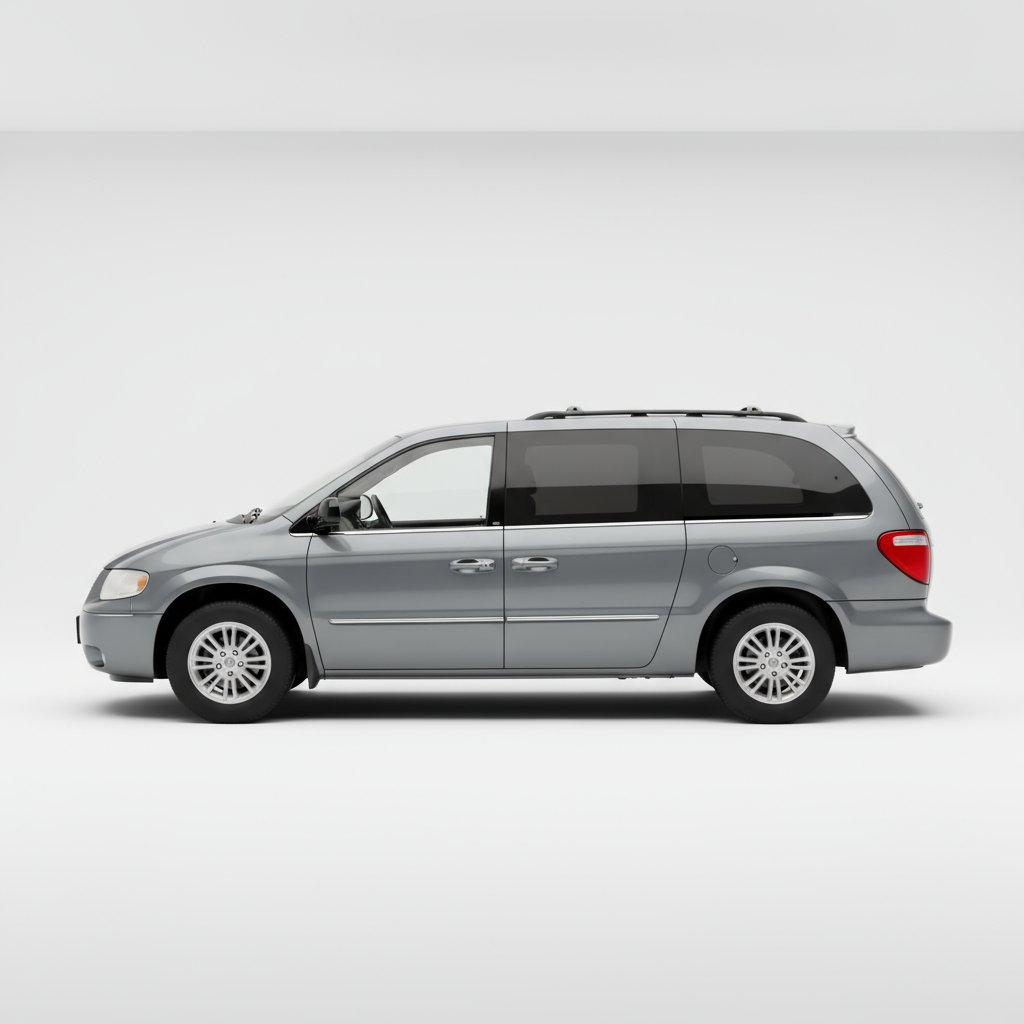
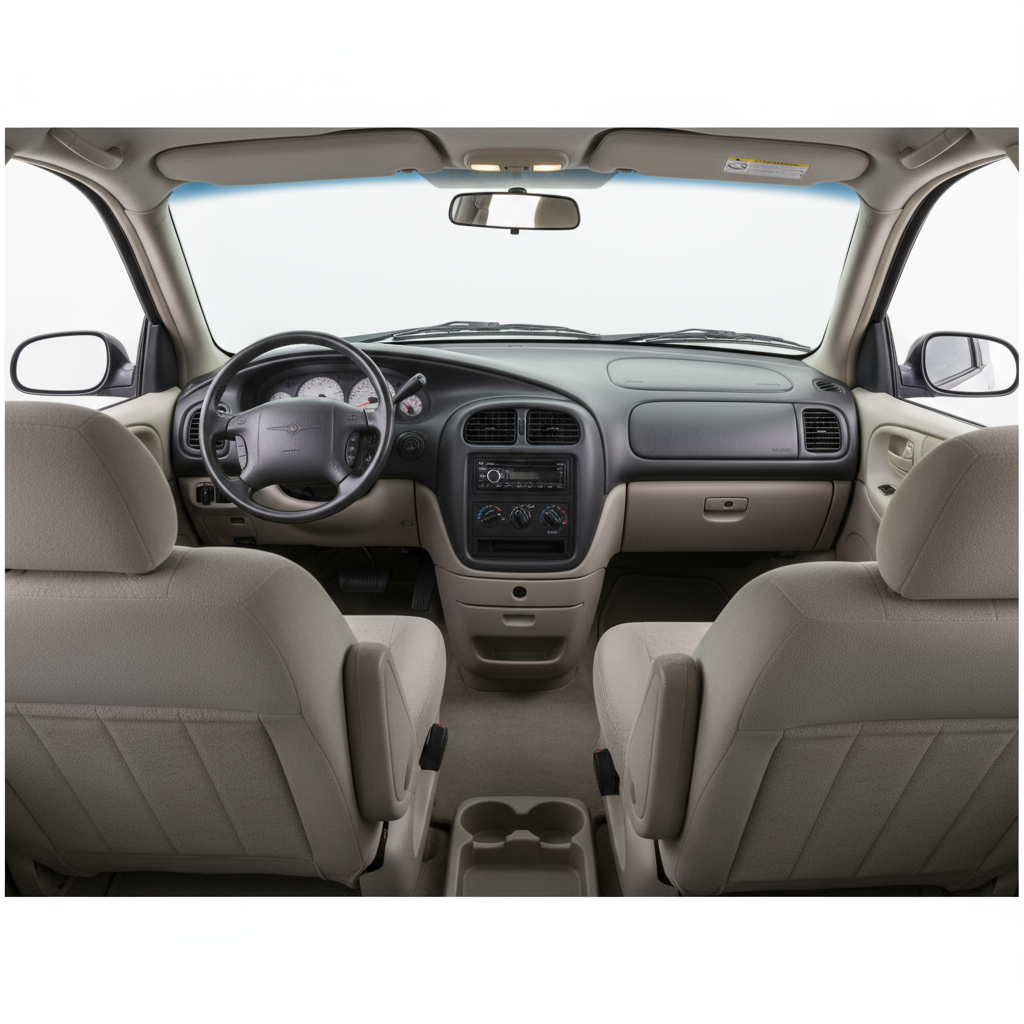
The design of the 1996 Chrysler Voyager is a reflection of its purpose: to maximize interior space and functionality. Its lines are soft and rounded, moving away from the more angular shapes of previous models. The body, with a length of 4733 mm and a width of 1950 mm, denotes a considerable presence. Large glass surfaces contribute to excellent visibility and a sense of brightness in the cabin. The interior, with capacity for seven occupants, is designed for family life, with comfortable seats and a generous 450-liter trunk. Although the materials may not be the most luxurious, their durability and practicality were key points in its conception.
Technology and features
In 1996, the Chrysler Voyager SE 2.4 incorporated technology that, while it may seem basic today, was advanced for its segment. Its 2.4-liter, four-cylinder gasoline engine, with indirect injection and 16 valves, offered a good combination of performance and efficiency for the time. The 5-speed manual transmission allowed adequate control over power. In terms of safety, it had ventilated front disc brakes and rear drum brakes, and a McPherson front suspension that contributed to stability. The rack-and-pinion steering, although without variable assistance, facilitated maneuvers. Don't expect large touchscreens or modern driving assistants, but rather solid and proven engineering.
Competition
At the time, the Chrysler Voyager SE 2.4 competed in a booming minivan segment. Its main rivals included models such as the Renault Espace, the Ford Galaxy/Volkswagen Sharan/SEAT Alhambra (which shared a platform), and the Opel Sintra. Compared to them, the Voyager stood out for its American design, its interior spaciousness, and, in many markets, for an attractive price-quality ratio. Each offered its own advantages, but the Voyager earned a reputation as a reliable and spacious family vehicle.
Conclusion
The 1996 Chrysler Voyager SE 2.4 is a classic among minivans, a vehicle that prioritized space, comfort, and functionality for families. Its 151 hp engine offered adequate performance, and its design, while not avant-garde, was practical and recognizable. It is a car that evokes memories of family trips and an era when versatility was king. Although its fuel consumption and performance are not comparable to those of current vehicles, its charm lies in its honesty and its ability to fulfill its purpose of transporting the family with comfort and safety.