


Especificaciones y análisis del Chevrolet Captiva
Power
163HP
Torque
350Nm
Consumption
6.2l/100
Emissions
164g/km
0-100 km/h
10.4s
Top Speed
189km/h
Weight
1878kg
Price
27,942€
Technical summary
Gasóleo
Manual 6v
FWD
7 / 5 doors
477 L
65 L
120 kW
Current
Technical specifications
Engine
Capacities
Detailed analysis of the Chevrolet Captiva LT 2.2 VCDI 163 CV FWD (2012-2014)
General description
The 2011 Chevrolet Captiva burst onto the market as a statement of intent, a family SUV that brought the American spirit to European roads. Designed for adventure and family life, this vehicle promised generous space and an imposing presence, becoming the perfect refuge for those seeking versatility and a robust, reliable travel companion.
Driving experience
Behind the wheel, the Captiva conveys a sense of calm power and control. Its 2.2-liter, 163-horsepower diesel engine pulls capably, without being loud but with the necessary force to move its considerable weight with dignity. It's not an athlete, but a long-distance traveler. The suspension smoothly filters out irregularities, prioritizing occupant comfort, while the hydraulic steering offers an honest and direct connection to the asphalt. Driving it is to feel command of the road from an elevated position, on a serene and safe journey.
Design and aesthetics
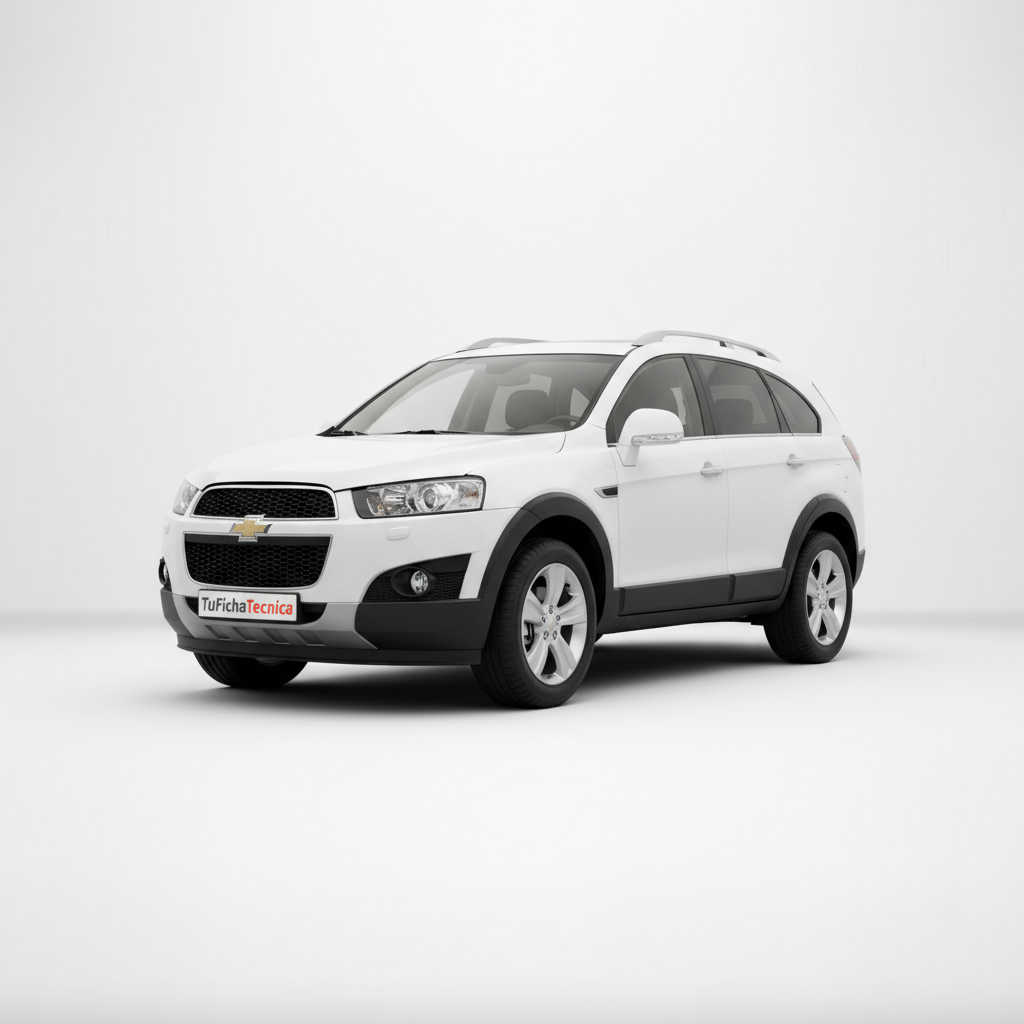
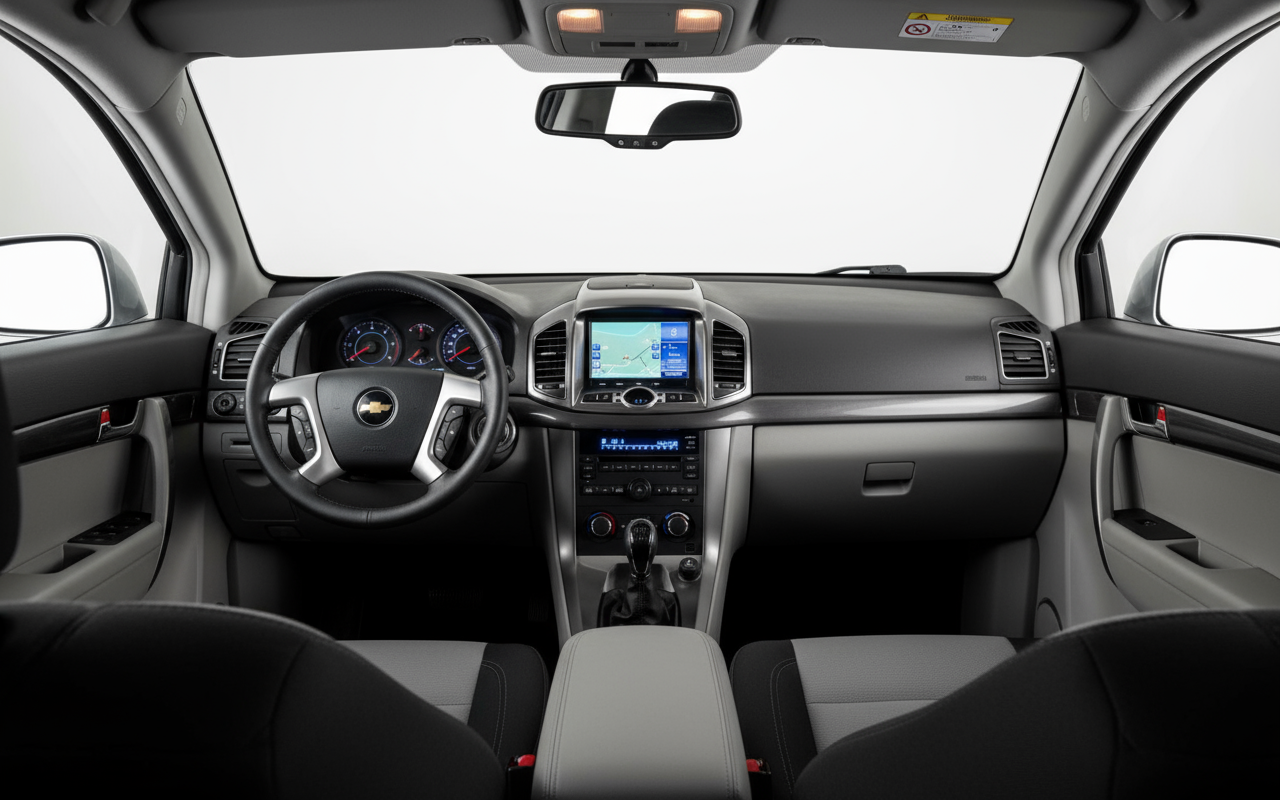
Its aesthetic is pure strength and functionality. The Captiva's design is muscular and bold, with an audacious front end dominated by a large grille and lines that sculpt a tall, protective body. It doesn't aim for subtle elegance, but rather to project an image of capability and solidity. Inside, space is the true protagonist, with the ability to accommodate seven passengers in an environment designed to be practical and durable, a family sanctuary where every trip becomes a shared experience.
Technology and features
At the time, the Captiva offered a technological package focused on safety and ride comfort, without resorting to gimmicks. It had essential elements like ventilated disc brakes on both axles and speed-sensitive power steering. However, its approach was more mechanical than digital, forgoing the large screens and advanced driving assistants we see today. Its Euro 5 engine, though compliant in its day, now represents a limitation due to the lack of an environmental sticker, a reminder of a different technological era.
Competition
In the competitive battlefield of seven-seater SUVs, the Captiva competed against giants like the Hyundai Santa Fe, the Kia Sorento, and the Mitsubishi Outlander. Its proposition was clear: to offer a design with American character and great roominess at a competitive price. It fought for the hearts of families by offering a robust and spacious alternative to the growing sophistication and equipment of its Asian and European competitors.
Conclusion
The Chevrolet Captiva is an honest car with a big heart. It is the choice for those who value space, a sense of security, and an indefatigable travel companion over the latest technological innovations or sporty performance. It represents a way of understanding the family car that prioritizes substance over form. Although the passage of time and the brand's withdrawal from Europe work against it, its spirit as a loyal and protective SUV remains intact, evoking the freedom of wide-open spaces.