
Especificaciones y análisis del Caterham Seven
Power
165HP
Torque
175Nm
Consumption
8.4l/100
Emissions
-g/km
0-100 km/h
5.1s
Top Speed
202km/h
Weight
650kg
Price
40,723€
Technical summary
Gasolina
Manual 6v
RWD
2 / 2 doors
75 L
36 L
121 kW
Current
Technical specifications
Engine
Capacities
Detailed analysis of the Caterham Super Seven Rover Series 1800 VVC · 165 CV (2000-2004)
General description
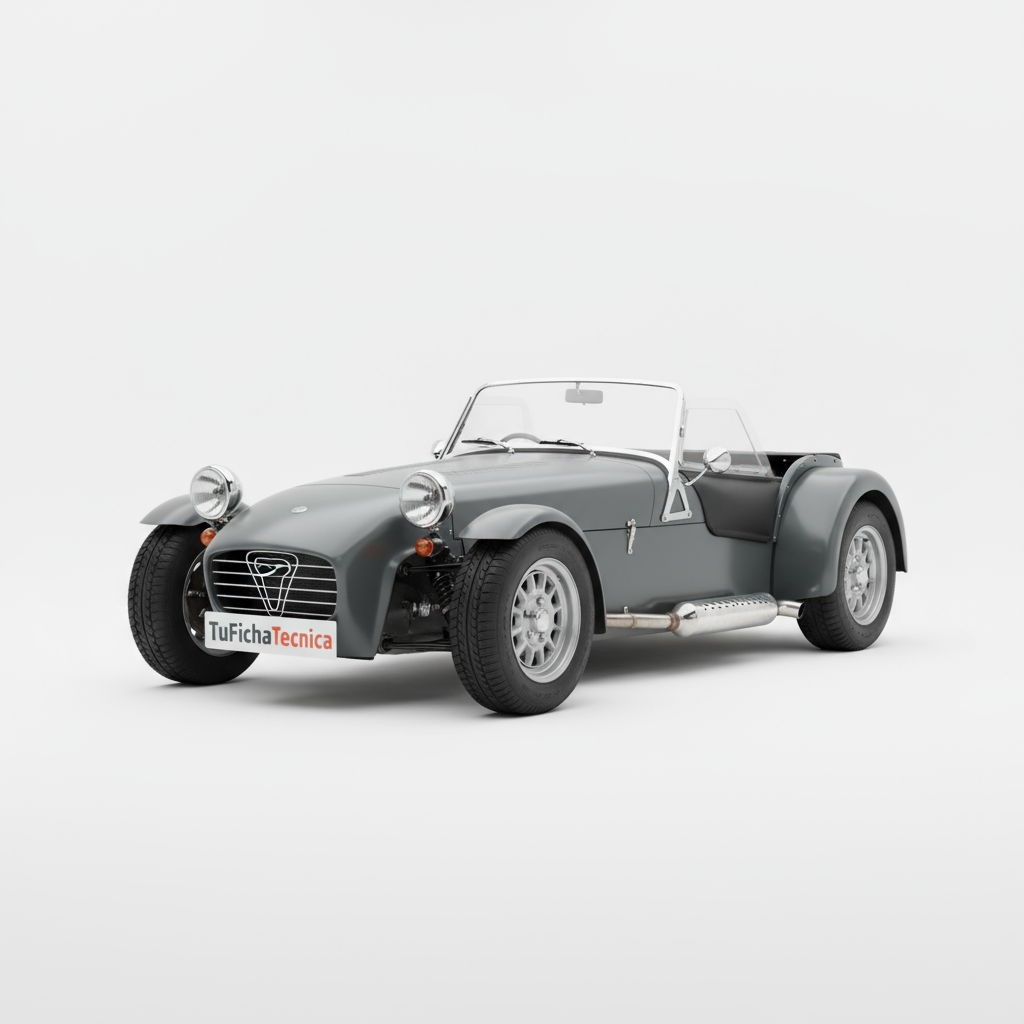
The Caterham Super Seven 1800 VVC is not just a car, it's the purest distillation of motorsport. A direct heir to Colin Chapman's legendary Lotus Seven, this vehicle embodies the 'add lightness' philosophy. It's a timeless machine that transports you to an era where the connection between driver and asphalt was all that mattered, a statement of intent on wheels.
Driving experience
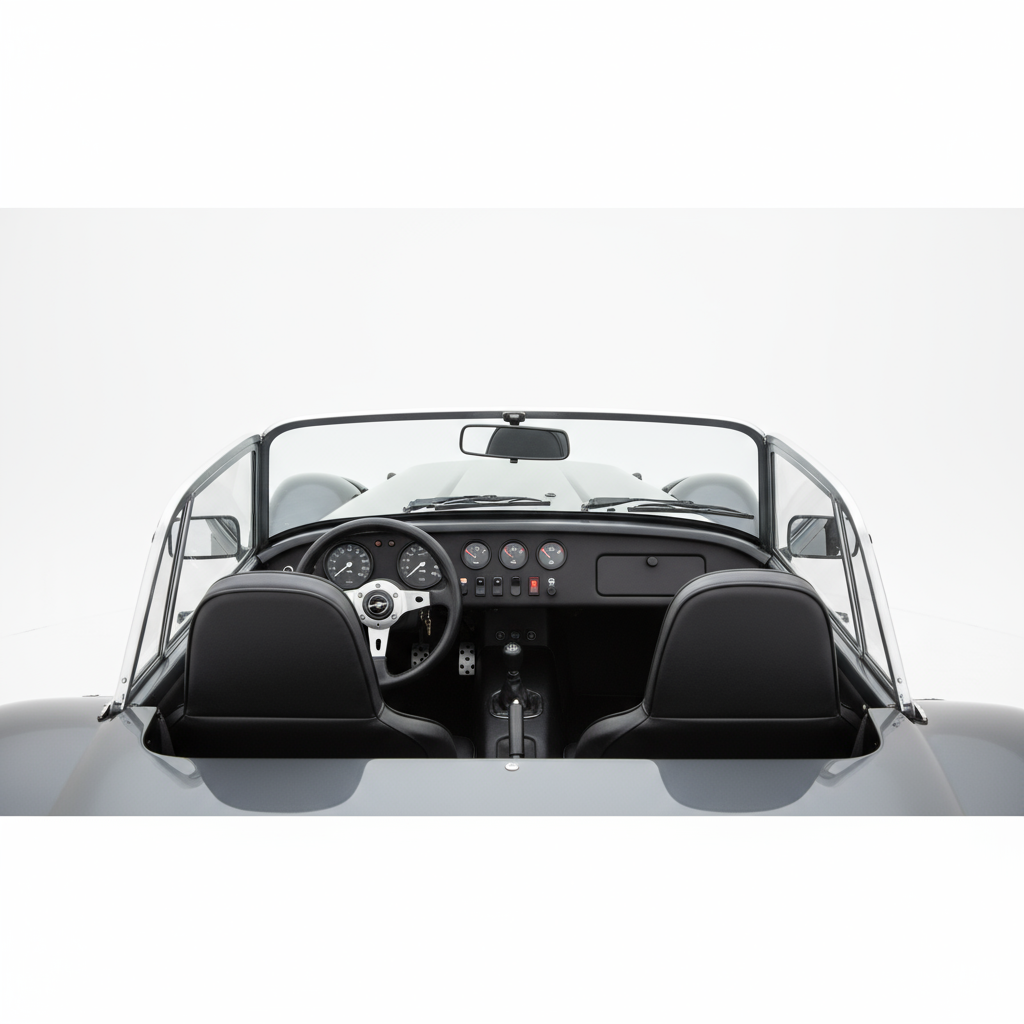
Getting behind the wheel is a sensory explosion. With only 650 kg of weight and 165 hp pushing from the rear, the 0 to 100 km/h acceleration in 5.1 seconds pins you to the seat in a visceral way. No filters, no assists, every imperfection of the road is felt through the rack-and-pinion steering and the chassis. The sound of the Rover VVC engine revving up to 6800 rpm, the wind hitting your face, and the mechanical feel of the 6-speed manual gearbox create a raw, addictive, and unforgettable driving experience. It's feeling speed in its purest state.
Design and aesthetics
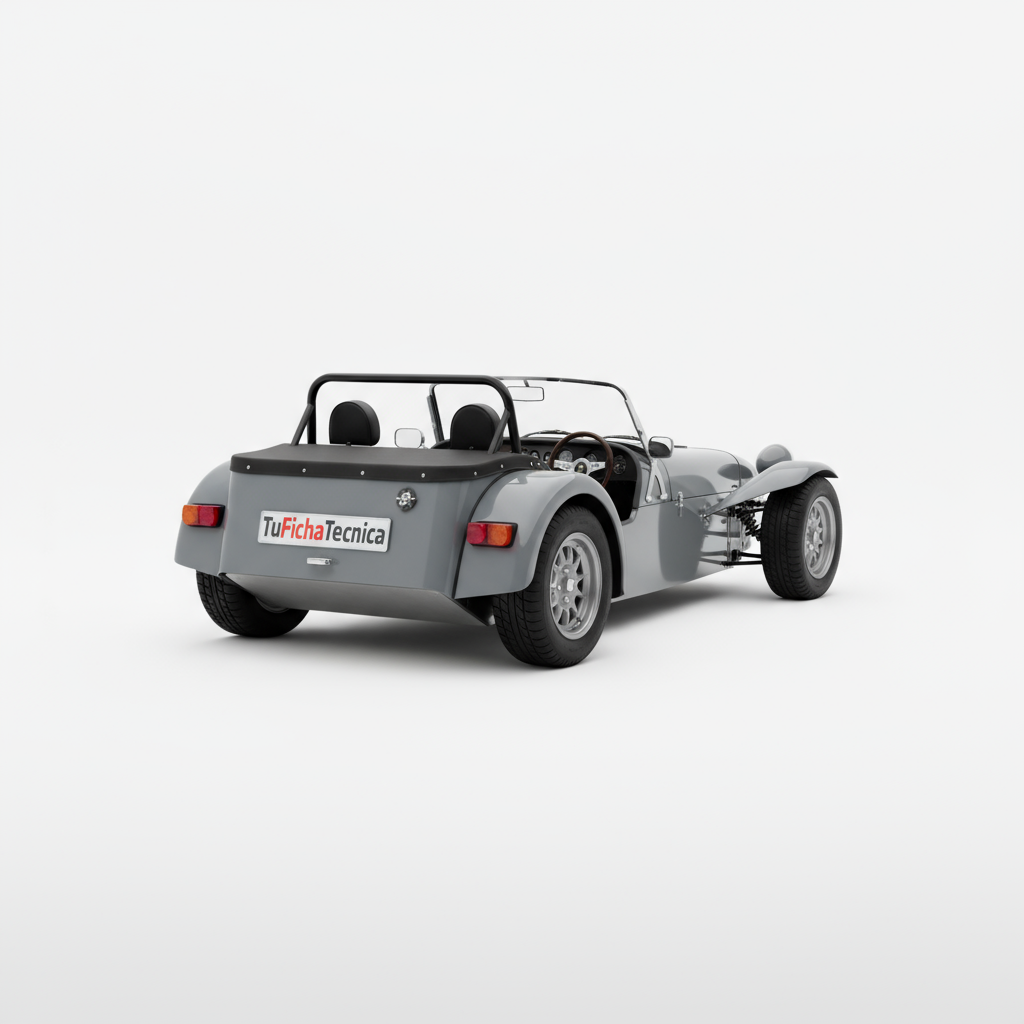
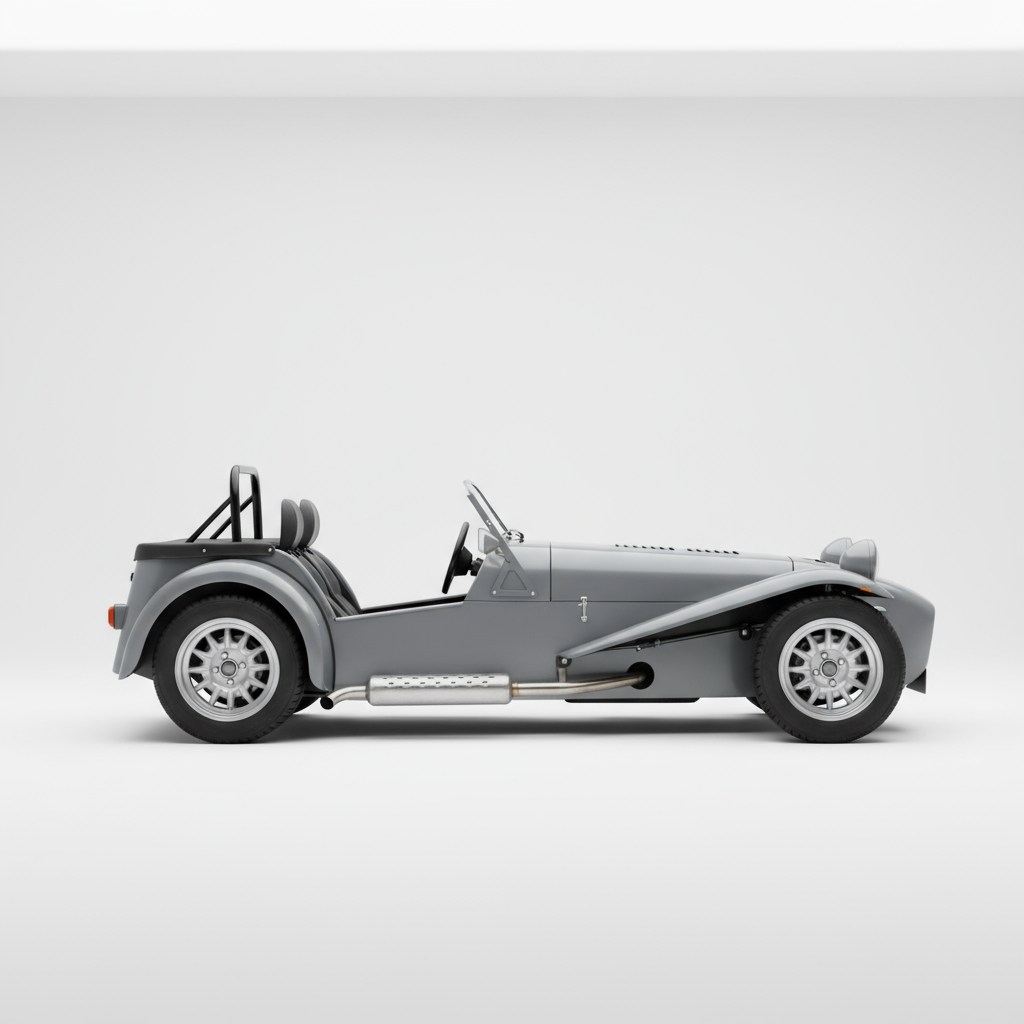
Its design is an ode to functionality. There isn't a single gram of superfluous adornment. The long hood, exposed wheels, minimal aluminum bodywork, and its tiny silhouette of just 3.38 meters scream 'performance'. It doesn't aim to be pretty, it aims to be effective. Every line and every panel is there for a reason: to reduce weight and maximize the connection with the environment. It's the beauty of honest, uncompromising engineering.
Technology and features
The technology of this Caterham lies in its brilliant mechanical simplicity, not in touch screens or electronic aids. Its heart is the 165 hp Rover 1.8 VVC engine, a gem of lightweight engineering. The double wishbone suspension at the front and a De Dion axle at the rear, along with a six-speed manual gearbox and the complete absence of power steering or ABS, make up a package that demands skill and rewards with total communication. It's analog technology at its finest.
Competition
Finding a direct rival for such a unique experience is almost impossible. We could think of a Lotus Elise from the same era, which shares the low-weight philosophy but with a slightly more civilized approach. Other contenders would be niche vehicles or 'kit cars' that prioritize pure driving over comfort. Even a track-prepared Mazda MX-5 might come close in spirit, but none offer the rawness and authenticity of a Seven.
Conclusion
The Caterham Super Seven is much more than a car; it's an emotion machine, an antidote to the apathy of modern transportation. It's not practical, it's not comfortable, and it's certainly not for everyone. It's a purely passionate purchase, a toy for weekends and track days that reminds you why you fell in love with driving. Owning it is a commitment, but driving it is a privilege that connects you with the very essence of motorsport.