
Especificaciones y análisis del Cadillac BLS
Power
200HP
Torque
300Nm
Consumption
8.3l/100
Emissions
197g/km
0-100 km/h
8.1s
Top Speed
225km/h
Weight
-kg
Price
37,460€
Technical summary
Gasolina o etanol
Manual 6v
FWD
5 / 5 doors
419 L
58 L
147 kW
Current
Technical specifications
Engine
Capacities
Detailed analysis of the Cadillac BLS Wagon 2.0T Flexpower Sport · 200 CV (2008-2009)
General description
The Cadillac BLS Wagon was the iconic American brand's bold attempt to conquer the heart of the demanding European premium estate market. Launched in 2008, this model was not just a pretty face with American DNA; beneath its sharp-lined skin lay the proven and reliable Swedish engineering of the Saab 9-3. The 2.0T Flexpower version, with its ability to run on ethanol, represented a fascinating fusion of power, versatility, and an ecological awareness ahead of its time.
Driving experience
Getting behind the wheel of the BLS Wagon is an experience that awakens the senses. The 200-horsepower turbo engine pushes with an addictive force from low revs, delivering its 300 Nm of torque in a linear and powerful way that pins you to the seat. The six-speed manual gearbox connects you directly to the mechanics, allowing you to squeeze every drop of its sporty character. It feels poised and secure on the road, with a suspension that masterfully balances ride comfort with the agility needed to enjoy a winding road, conveying a very rewarding sense of control and power.
Design and aesthetics
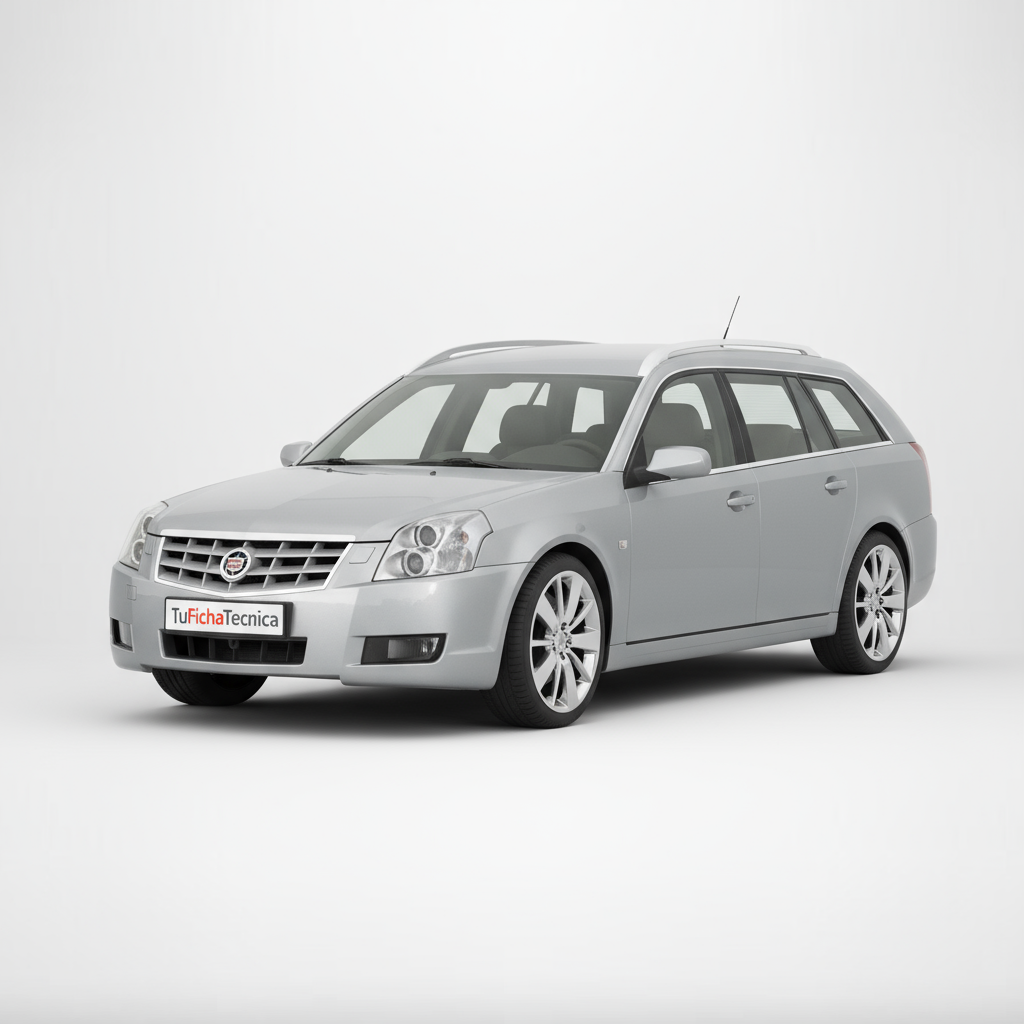
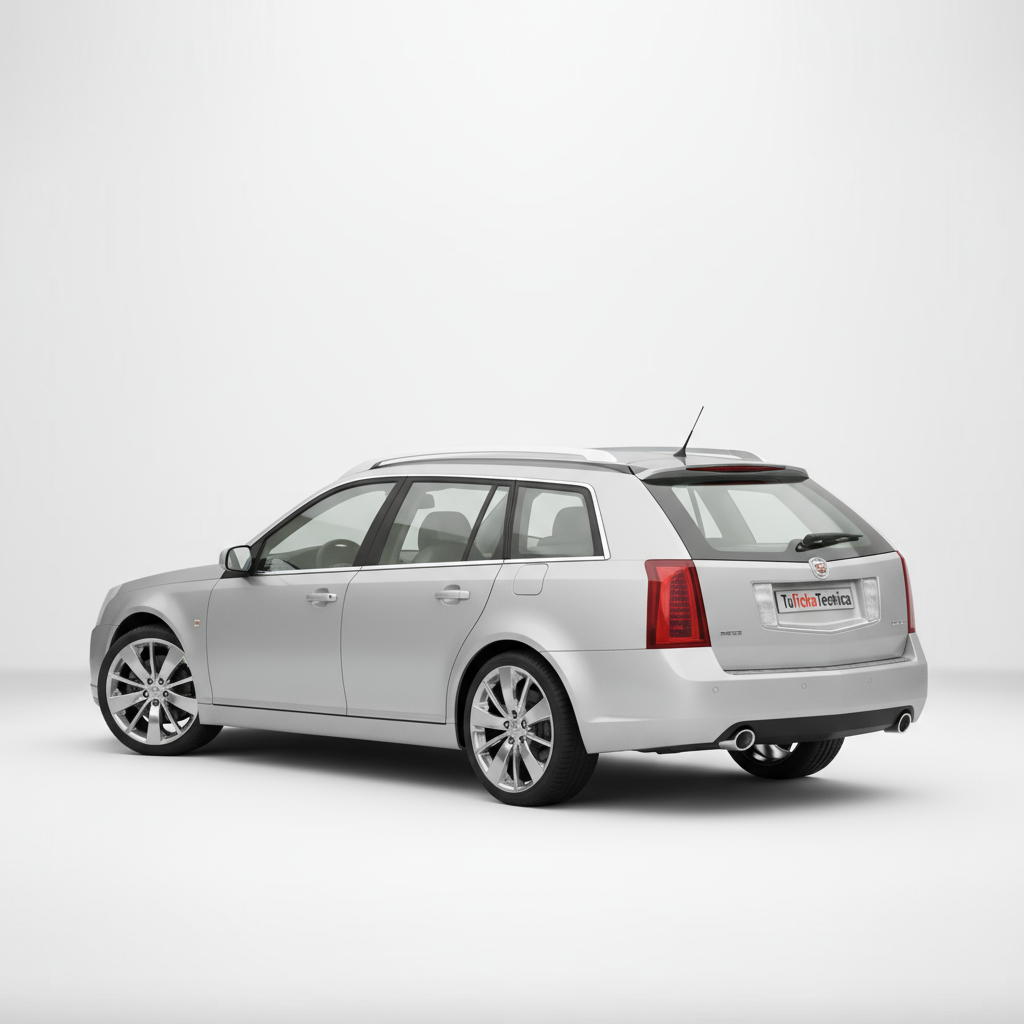
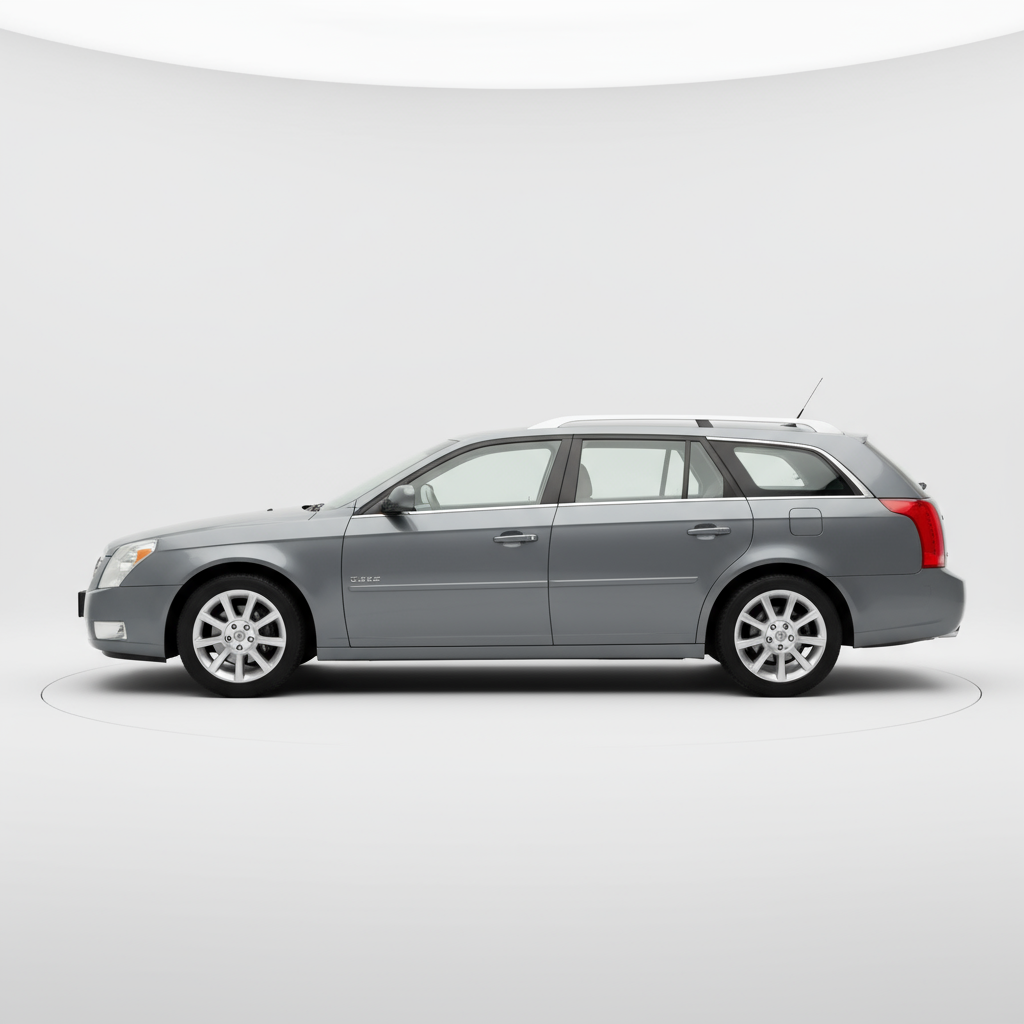
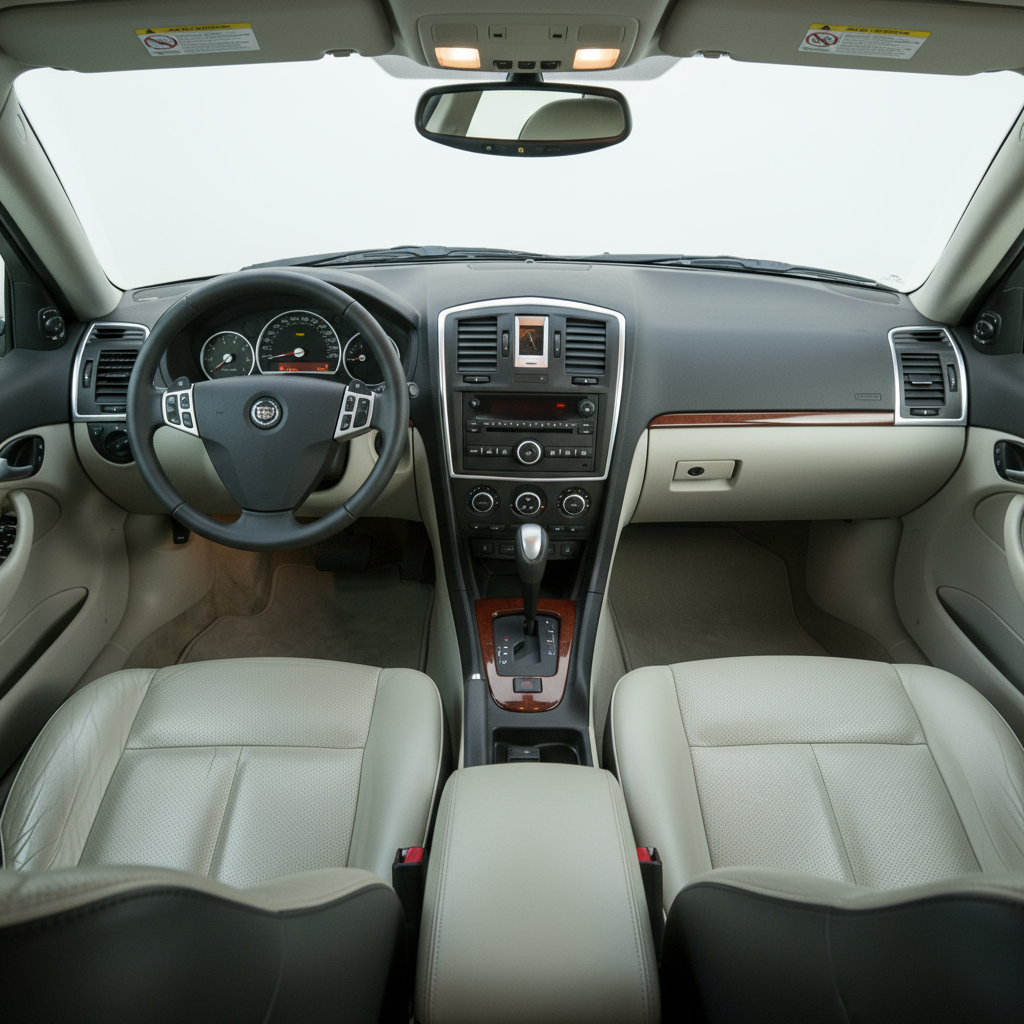
Visually, the BLS Wagon is unmistakably a Cadillac. Its angular design, imposing chrome grille, and characteristic vertical taillights give it a road presence that sets it apart from its sober German rivals. It is a style statement, a mix of executive elegance and family practicality. The interior, though understated, welcomes you with quality materials and an atmosphere that evokes American luxury, creating a space where every journey feels like a special occasion.
Technology and features
Beyond its powerful engine, the key technology of this model was its Flexpower system. This ability to use both gasoline and E85 bioethanol was a remarkable innovation for its time, offering a more sustainable alternative without sacrificing performance. The engine itself, an aluminum block with a turbo and intercooler, was a piece of modern and efficient engineering. Although it lacks today's driving aids and touch screens, its mechanical base, with a well-tuned chassis and four-wheel disc brakes, demonstrated a solid commitment to safety and dynamism.
Competition
The Cadillac BLS Wagon entered a territory dominated by titans. Its main competitors were the established benchmarks of the segment: the Audi A4 Avant, the BMW 3 Series Touring, and the Mercedes-Benz C-Class Estate. Each of them offered a proven formula for success and a legion of loyal followers. Even its first cousin, the Saab 9-3 SportCombi, with which it shared a platform and engines, was direct competition. The BLS fought to carve out a niche with its distinctive style and the prestige of its emblem.
Conclusion
The Cadillac BLS Wagon 2.0T Flexpower is more than just a car; it is a memory of a brave crossover of automotive cultures. It offered an alternative with soul for those looking to escape the conventional, combining the charisma of American design with the solidity of European engineering. Although its time on the market was brief, today it represents an exclusive and characterful option, a powerful and versatile estate that leaves no one indifferent. It is a piece of history for connoisseurs, a car that dared to be different and, for that reason, deserves to be remembered.