
Especificaciones y análisis del BMW X5
Power
184HP
Torque
410Nm
Consumption
9.7l/100
Emissions
-g/km
0-100 km/h
10.5s
Top Speed
200km/h
Weight
2170kg
Price
50,404€
Technical summary
Gasóleo
Automático 5v
AWD
5 / 5 doors
465 L
93 L
135 kW
Current
Technical specifications
Engine
Capacities
Detailed analysis of the BMW X5 3.0dA · 184 CV (2000-2003)
General description
The first-generation BMW X5, code E53, was not just another SUV; it was BMW's bold entry into unexplored territory, redefining it as a 'Sports Activity Vehicle' (SAV). This 3.0dA diesel version was presented as a promise of a perfect balance between the power of its 184 HP, reasonable efficiency for its time, and the brand's unmistakable driving pleasure. It was a statement of intent, a vehicle born to dominate the asphalt and conquer the hearts of those seeking luxury, versatility, and a commanding driving position.
Driving experience
Getting behind the wheel of this X5 is to feel power under control. The thrust of its six-cylinder diesel engine is forceful and full from low revs thanks to its 410 Nm of torque. It's not a dazzling sports car, but the feeling of unstoppable progress envelops you. The permanent all-wheel drive conveys overwhelming safety, making you feel invulnerable, as if you were piloting a rolling fortress that doesn't sacrifice surprising agility on the road. It's a driving experience that combines the majesty of its size with the energetic and precise response you expect from a BMW.
Design and aesthetics
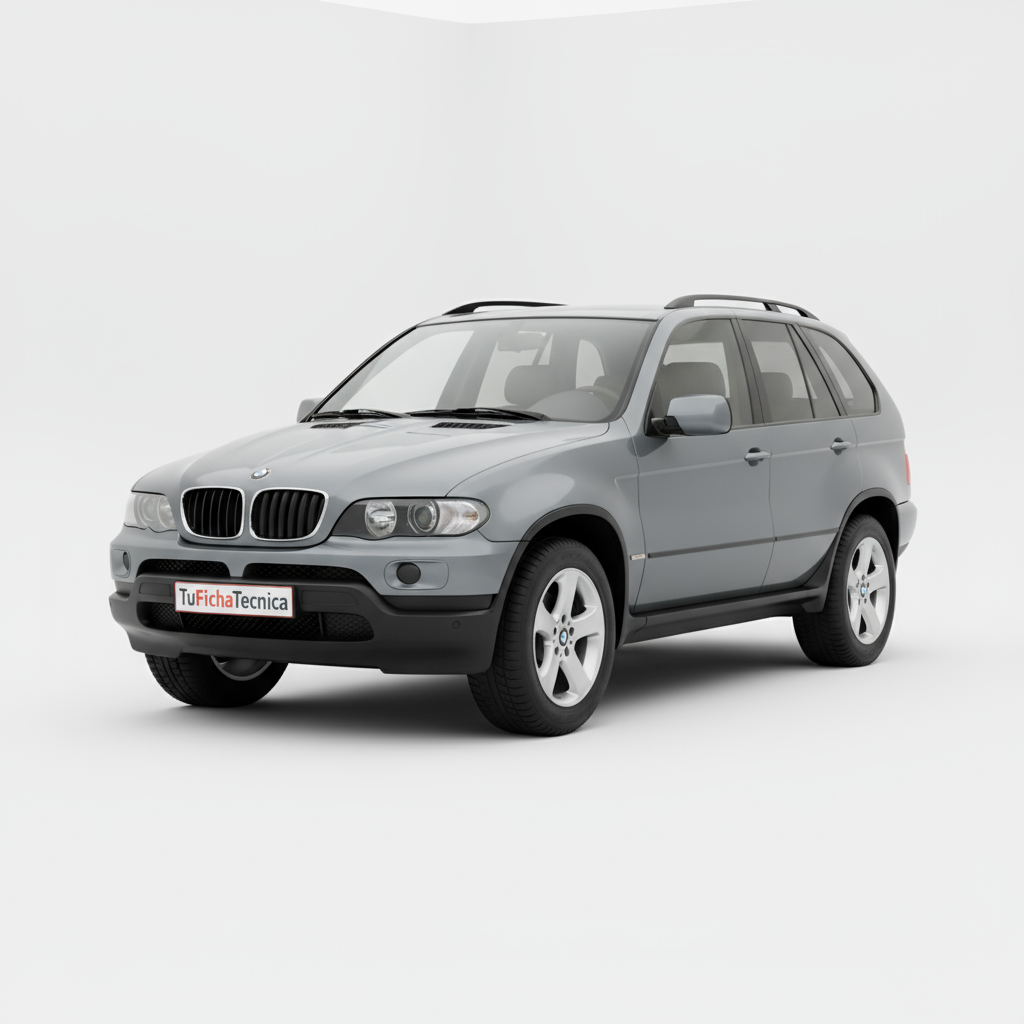
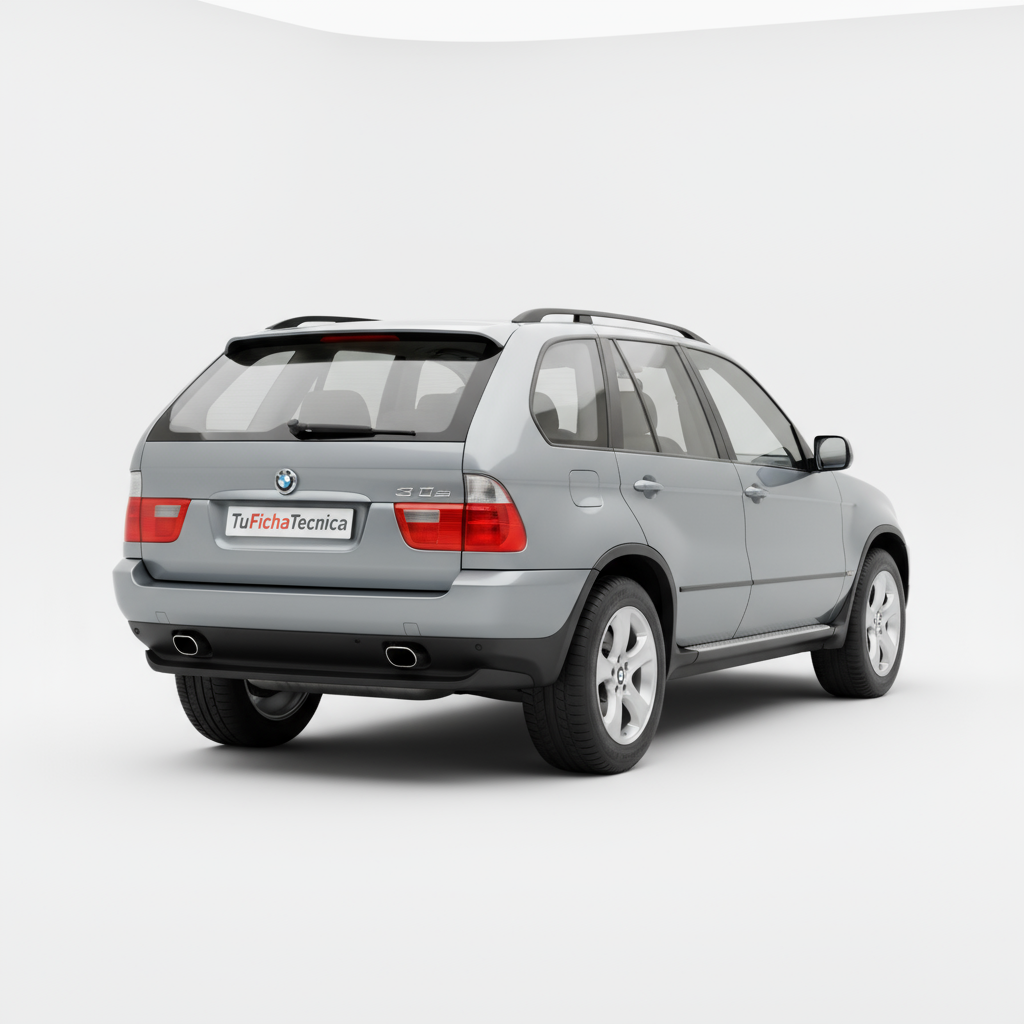
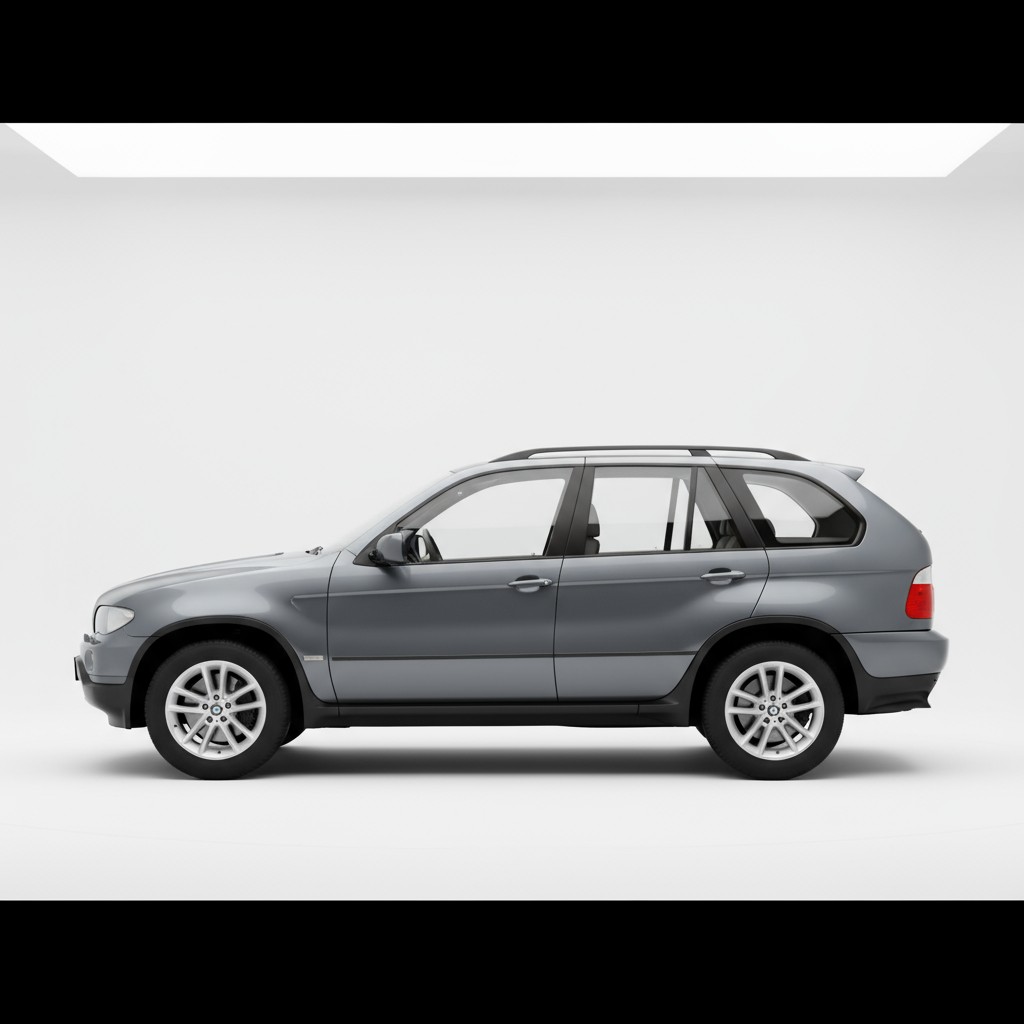
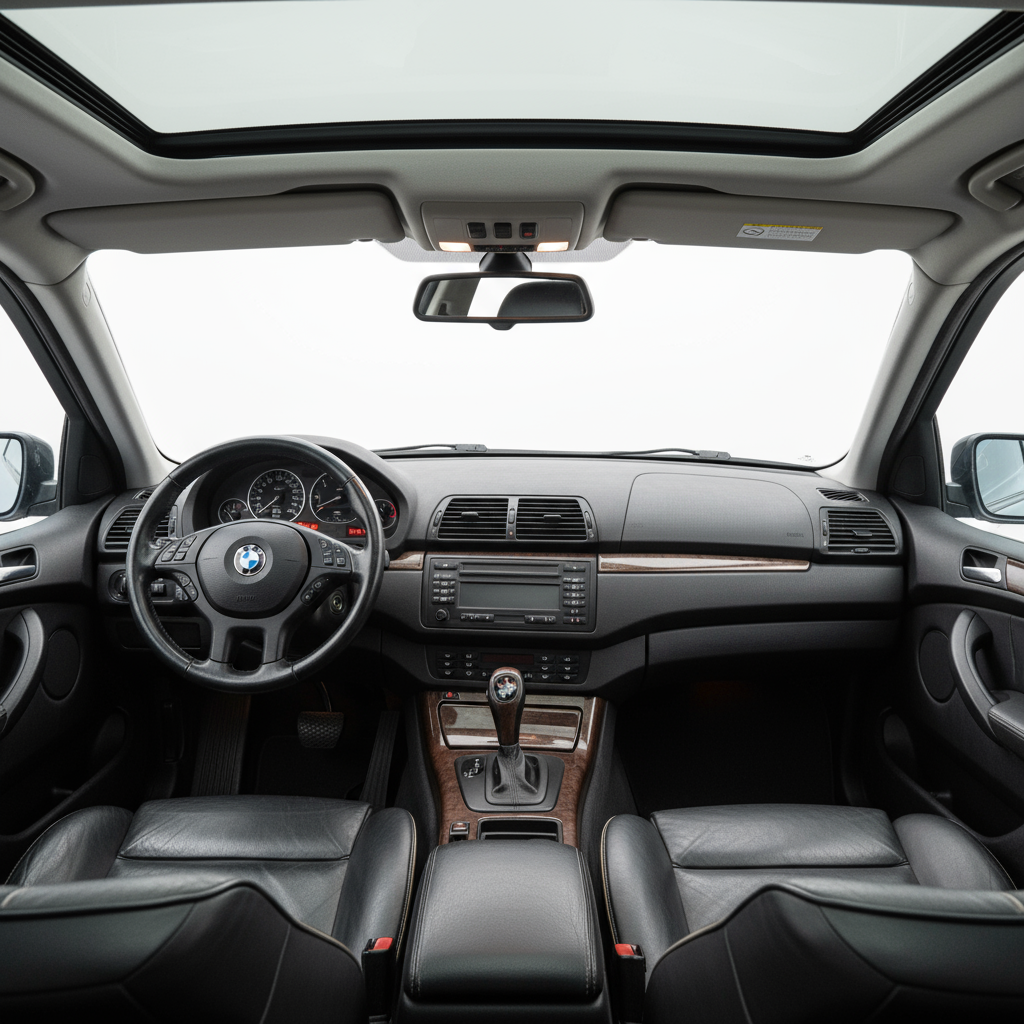
The design of the first X5 is a masterpiece of proportions that has aged with exceptional dignity. Its muscular and athletic lines, with short overhangs and an imposing presence, still turn heads. It conveys a perfect blend of elegance and robustness, an elite athlete in a formal suit. The interior is a sanctuary of quality and ergonomics in the purest BMW style of the era: sober, driver-oriented, and built with materials that convey solidity and luxury. It is a space designed to devour miles in absolute comfort.
Technology and features
At the beginning of the millennium, the X5 3.0dA was a technological showcase. Its common-rail direct-injection diesel engine was an advanced piece of engineering, and its all-wheel-drive system with electronic management made a difference in dynamics. It incorporated elements such as stability control (DSC) and hill descent control (HDC), technologies that reinforced its character as a premium and safe vehicle. Although today we might miss touch screens or modern assistants, at the time it represented the technological vanguard in the segment.
Competition
At its birth, the X5 faced one main competitor: the Mercedes-Benz ML, which offered a more comfort-oriented approach. The Range Rover played in a higher league in terms of luxury and off-road capabilities but couldn't match the BMW's on-road dynamics. Shortly after, the Porsche Cayenne and Volkswagen Touareg would arrive to intensify the battle. The X5 always stood out for offering the sportiest and most exciting driving experience in the segment, being the benchmark for those looking for an SUV with the soul of a sports sedan.
Conclusion
The BMW X5 3.0dA is not just a car; it is the origin of a saga and the materialization of a revolutionary concept. It achieved what seemed impossible: transferring BMW's sporting DNA to a large, tall, and versatile body without losing its essence. It is a vehicle that evokes power, safety, and distinction, a modern classic that continues to offer a deeply gratifying driving experience. It defined a segment and left an indelible mark, a legacy of driving pleasure elevated to a new dimension.