
Especificaciones y análisis del BMW Serie 7
Power
231HP
Torque
300Nm
Consumption
10.7l/100
Emissions
-g/km
0-100 km/h
8.3s
Top Speed
237km/h
Weight
1820kg
Price
79,300€
Technical summary
Gasolina
Automático 6v
RWD
5 / 4 doors
500 L
88 L
170 kW
Current
Technical specifications
Engine
Capacities
Detailed analysis of the BMW 730Li · 231 CV (2003-2005)
General description
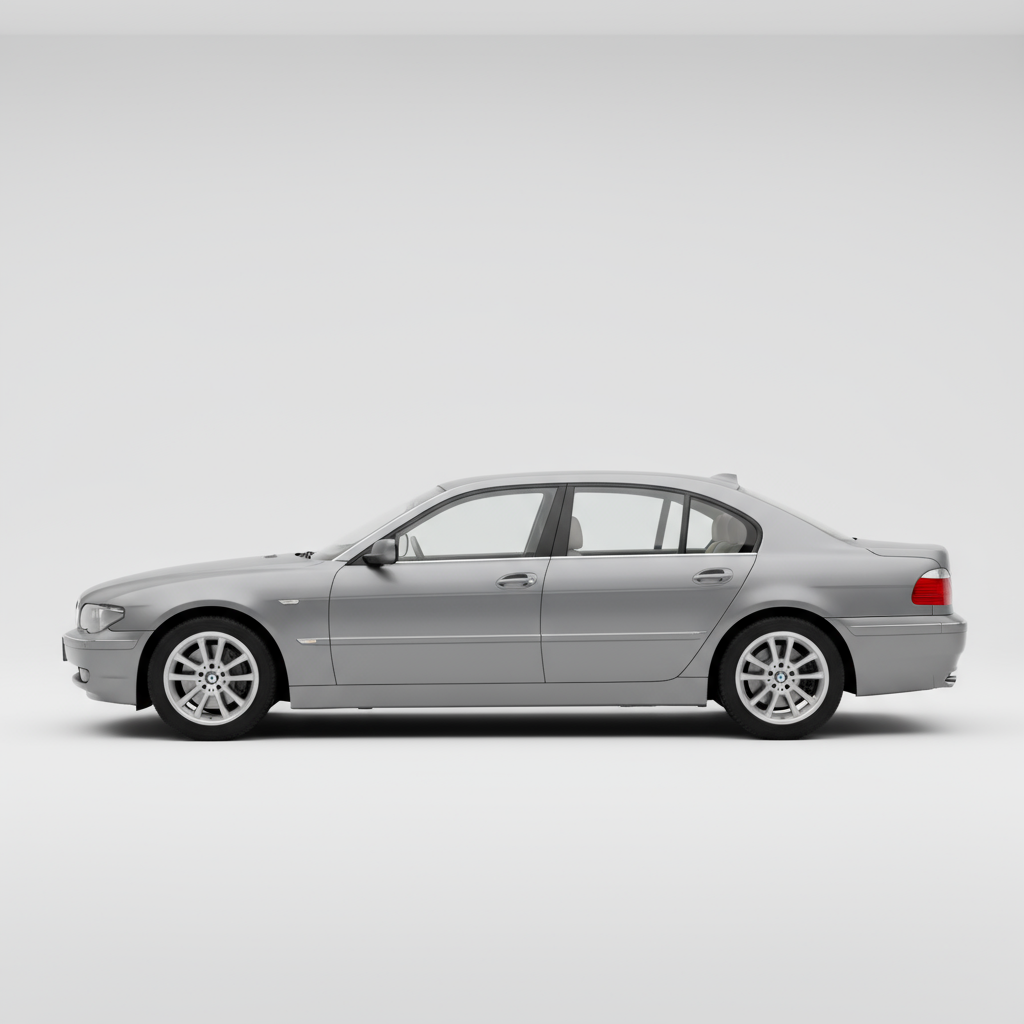
The 2002 BMW 7 Series, in its 730Li version, represents the pinnacle of luxury and German engineering of the early 2000s. With an imposing length of 5169 mm and a wheelbase of 3130 mm, this four-door, five-seater sedan offered exceptional interior space, especially for rear passengers. Its price of €79,300 in 2004 firmly positioned it in the executive sedan segment, aimed at those seeking an unparalleled driving and travel experience.
Driving experience
Behind the wheel of the 730Li, the feeling of power and refinement is palpable. The 2979 cc gasoline engine, with 231 hp and 300 Nm of torque, delivers smooth and progressive power, perfectly managed by a 6-speed automatic transmission with torque converter. It accelerates from 0 to 100 km/h in 8.3 seconds and reaches a top speed of 237 km/h, respectable figures for a vehicle of its size and weight (1820 kg). The suspension, McPherson type at the front and deformable parallelogram at the rear, together with ventilated disc brakes on both axles, guarantee exceptional ride comfort and first-class active safety. The rack-and-pinion steering with speed-sensitive assistance offers precision that invites you to enjoy every journey, whether on open roads or in urban traffic, despite its combined consumption of 10.7 l/100km.
Design and aesthetics
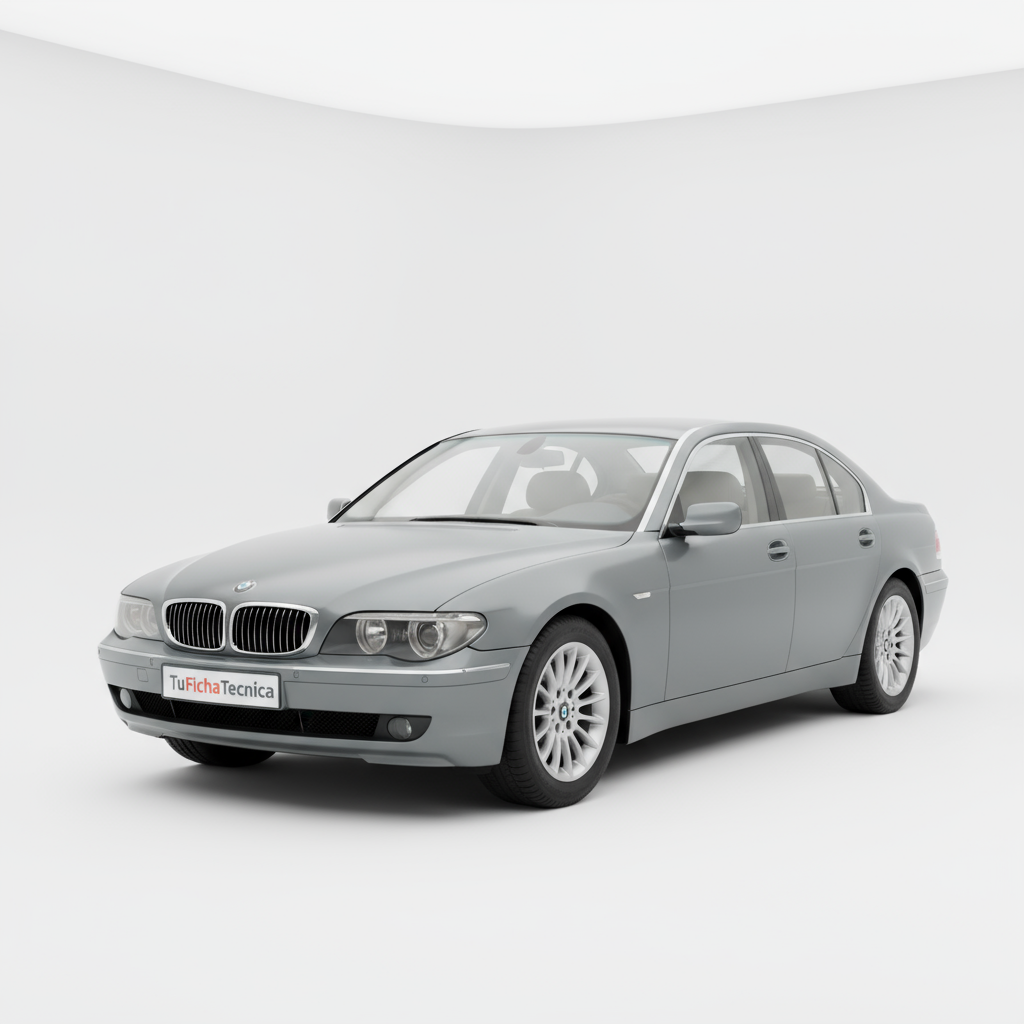
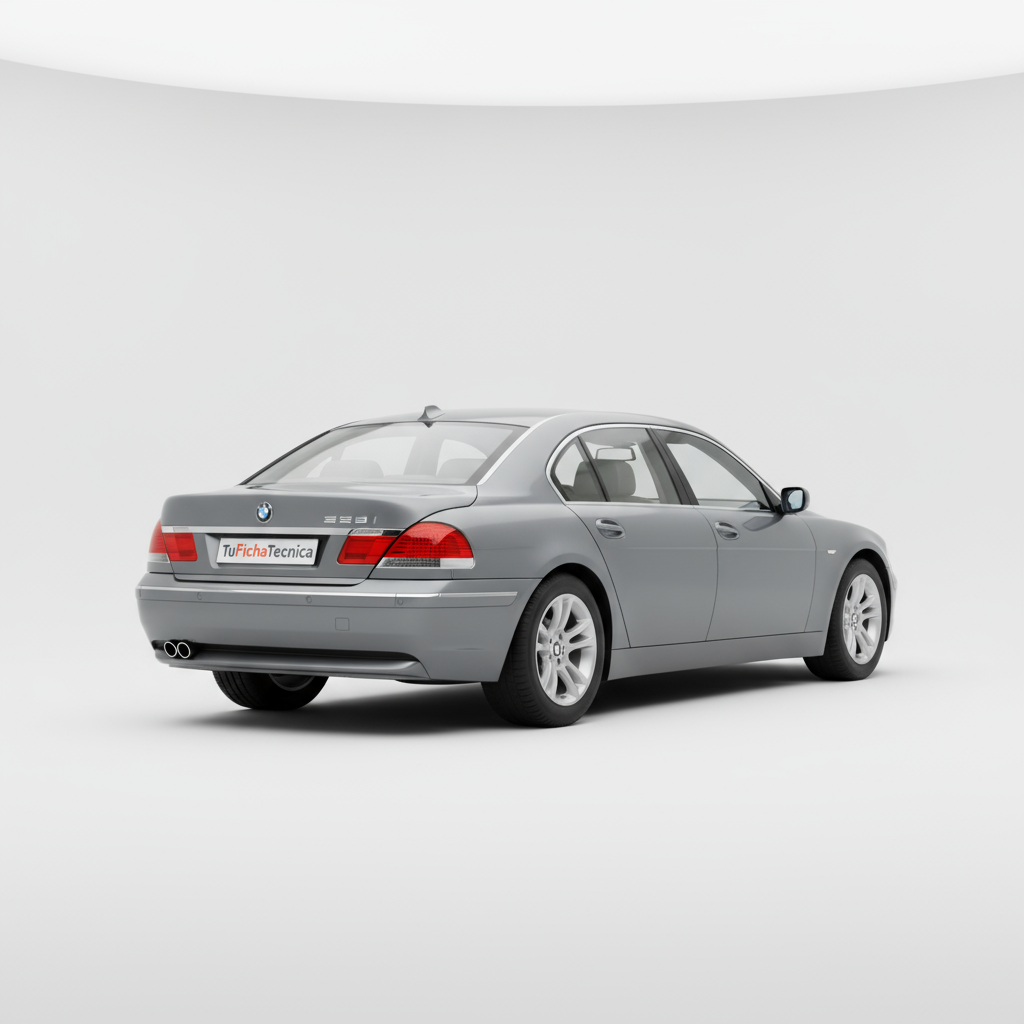
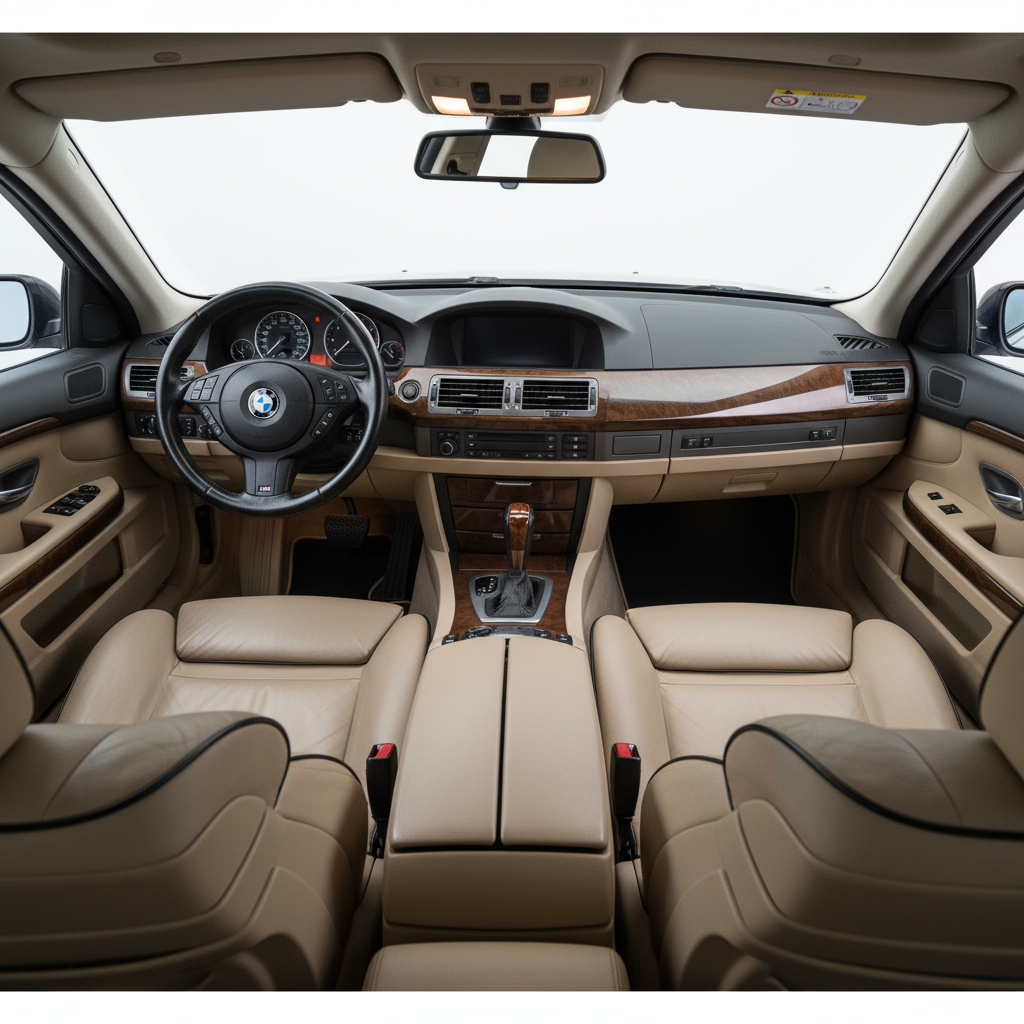
The design of the 2002 BMW 7 Series was, and still is, a turning point. With its elegant and robust lines, the 730Li projects an image of authority and sophistication. The long body accentuates its presence on the road, while details such as the 18-inch wheels with 245/50 R18 tires contribute to its imposing aesthetic. The front, with BMW's characteristic double kidney grille and distinctive headlights, gives it an unmistakable personality. Inside, the quality of materials and attention to finishes are evident, creating an atmosphere of luxury and comfort that invites long journeys.
Technology and features
In 2002, the BMW 7 Series was a technological showcase. Although not all details are specified, the presence of an aluminum engine with indirect injection and variable intake, along with a 6-speed automatic transmission, already denotes a high level of engineering. Speed-sensitive steering and advanced suspension systems, with anti-roll bars both front and rear, contributed to exceptional driving dynamics. Although modern driving assistance systems are not mentioned, its standard equipment in safety and comfort was cutting-edge for the time, offering a safe and pleasant travel experience.
Competition
In its segment, the 2002 BMW 730Li faced heavyweights such as the Mercedes-Benz S-Class and the Audi A8. These rivals offered similar proposals in terms of luxury, performance, and technology, each with its own design and driving philosophy. The 7 Series stood out for its focus on driving dynamics and the driving experience, without sacrificing the comfort and opulence expected of a sedan in this category.
Conclusion
The 2002 BMW 730Li is a car that transcends time, offering a combination of luxury, performance, and technology that is still impressive today. Its elegant design, powerful six-cylinder engine, and spacious and refined interior make it an attractive option for those seeking an executive sedan with character. Despite its consumption, the driving experience and comfort it offers justify its position in the high-end vehicle market. It is a car that invites enjoyment, both behind the wheel and in the back seat, a true icon of German automotive engineering.