
Especificaciones y análisis del BMW Serie 3
Power
136HP
Torque
220Nm
Consumption
5.8l/100
Emissions
134g/km
0-100 km/h
8.6s
Top Speed
210km/h
Weight
-kg
Price
30,600€
Technical summary
Gasolina
Manual 6v
RWD
5 / 4 doors
480 L
60 L
100 kW
Current
Technical specifications
Engine
Capacities
Detailed analysis of the BMW 316i Berlina · 136 CV (2012-2013)
General description
The 2012 BMW 3 Series, in its 316i version, represents the gateway to the universe of the quintessential sports sedan. It's not just a car; it's the promise of feeling the asphalt and the connection with the machine, encapsulated in a formula that seeks to balance the efficiency and driving pleasure that defines the Bavarian brand. It's the first step towards a legend, a car that whispers in your ear that sportiness doesn't always need exorbitant figures.
Driving experience
Behind the wheel, the 316i surprises and captivates. Its 136 horsepower, drawn from a 1.6-liter turbo engine, may seem modest on paper, but the magic lies in how it delivers them. The thrust is constant and full from very low revs thanks to its generous torque. The rear-wheel drive subtly pushes you out of corners, the chassis feels agile and communicative, and the precise steering allows you to carve every turn with absolute confidence. It's a symphony of balance and control that constantly reminds you why BMW is synonymous with 'Sheer Driving Pleasure'.
Design and aesthetics
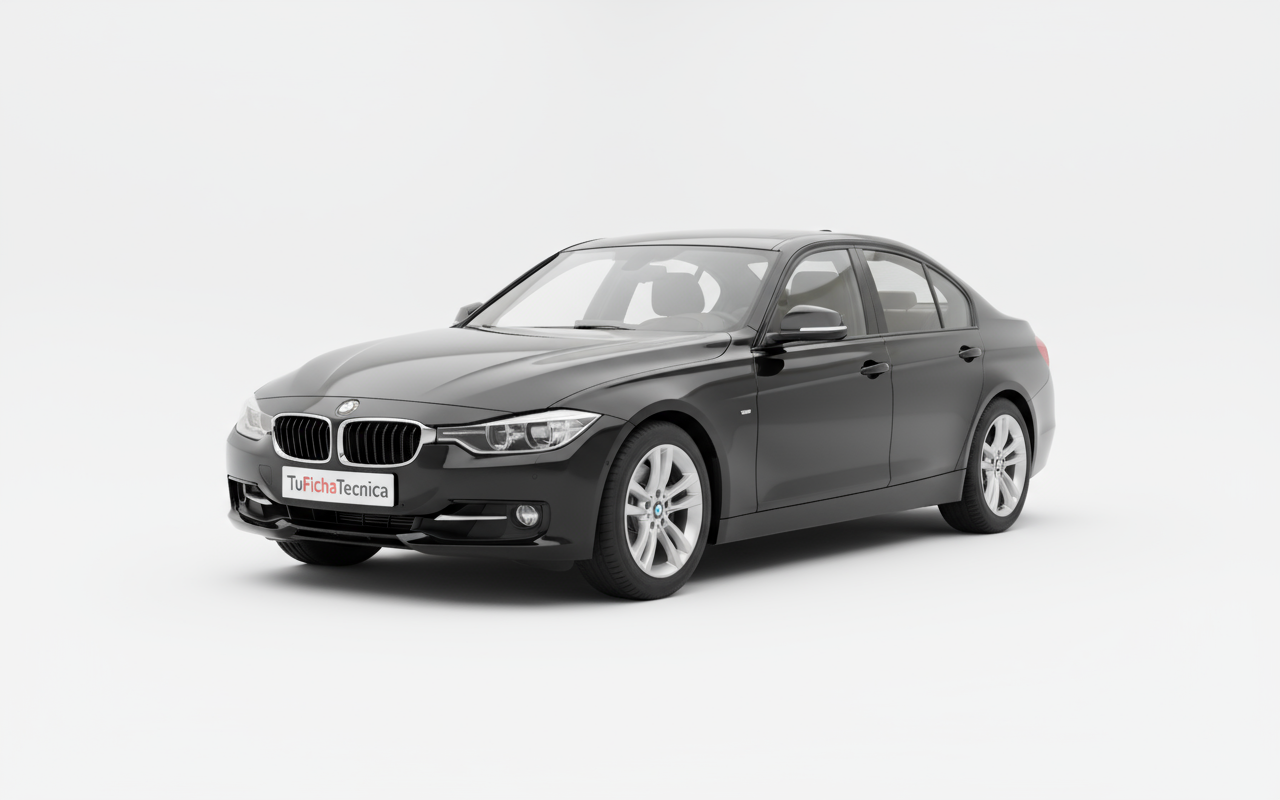
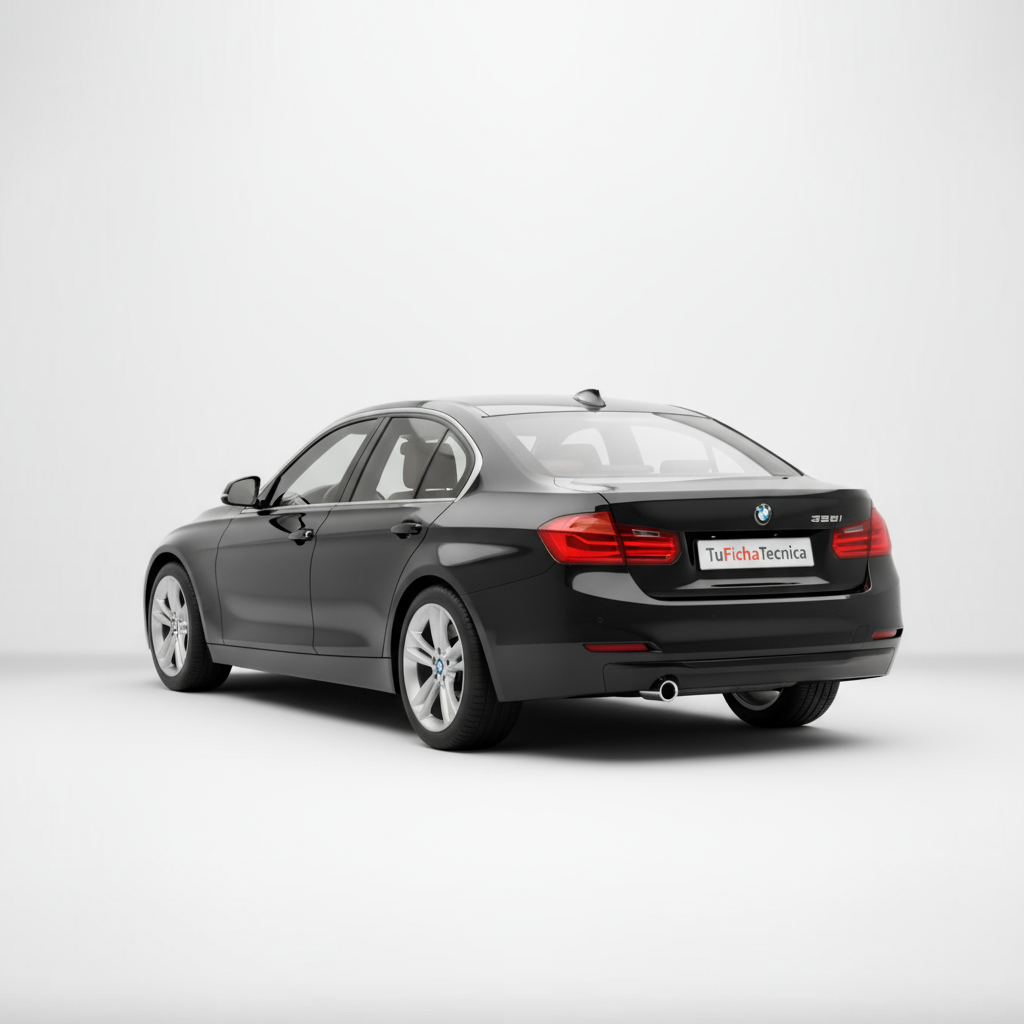
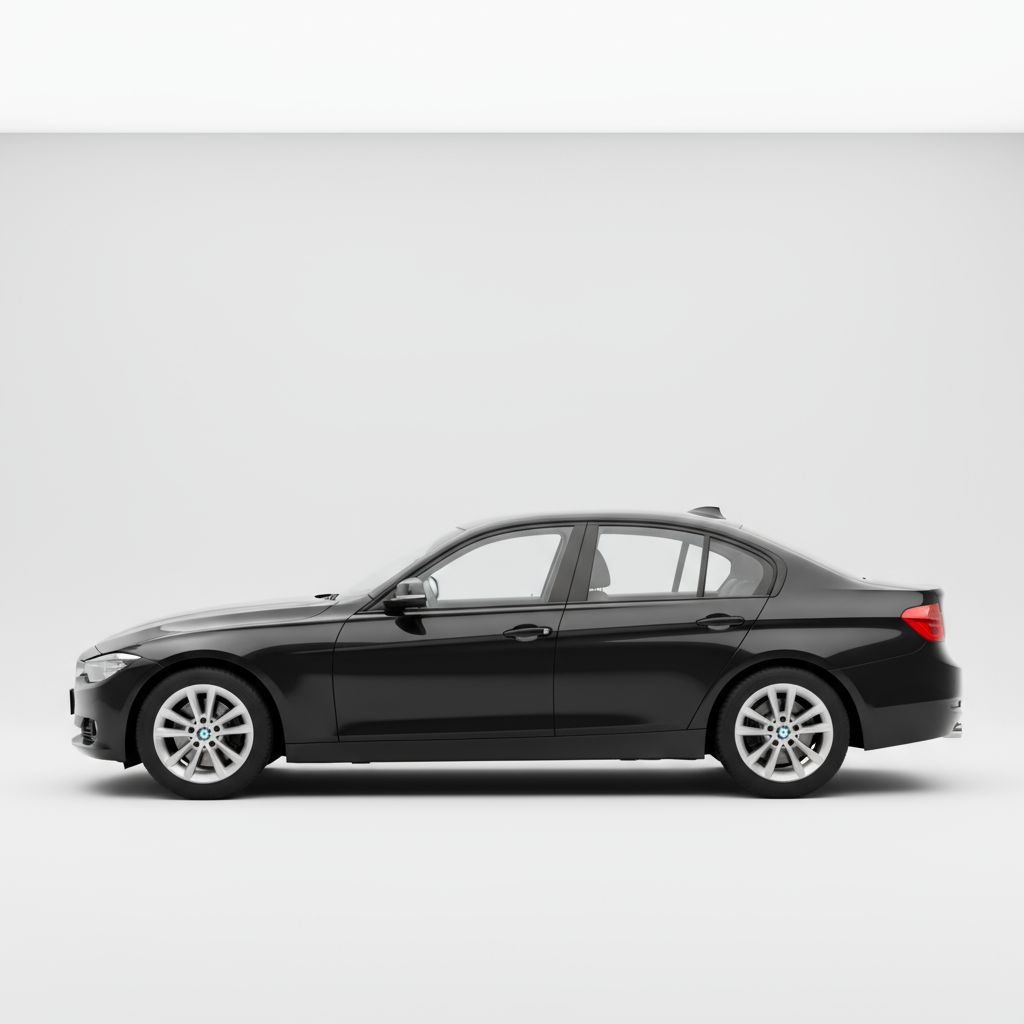
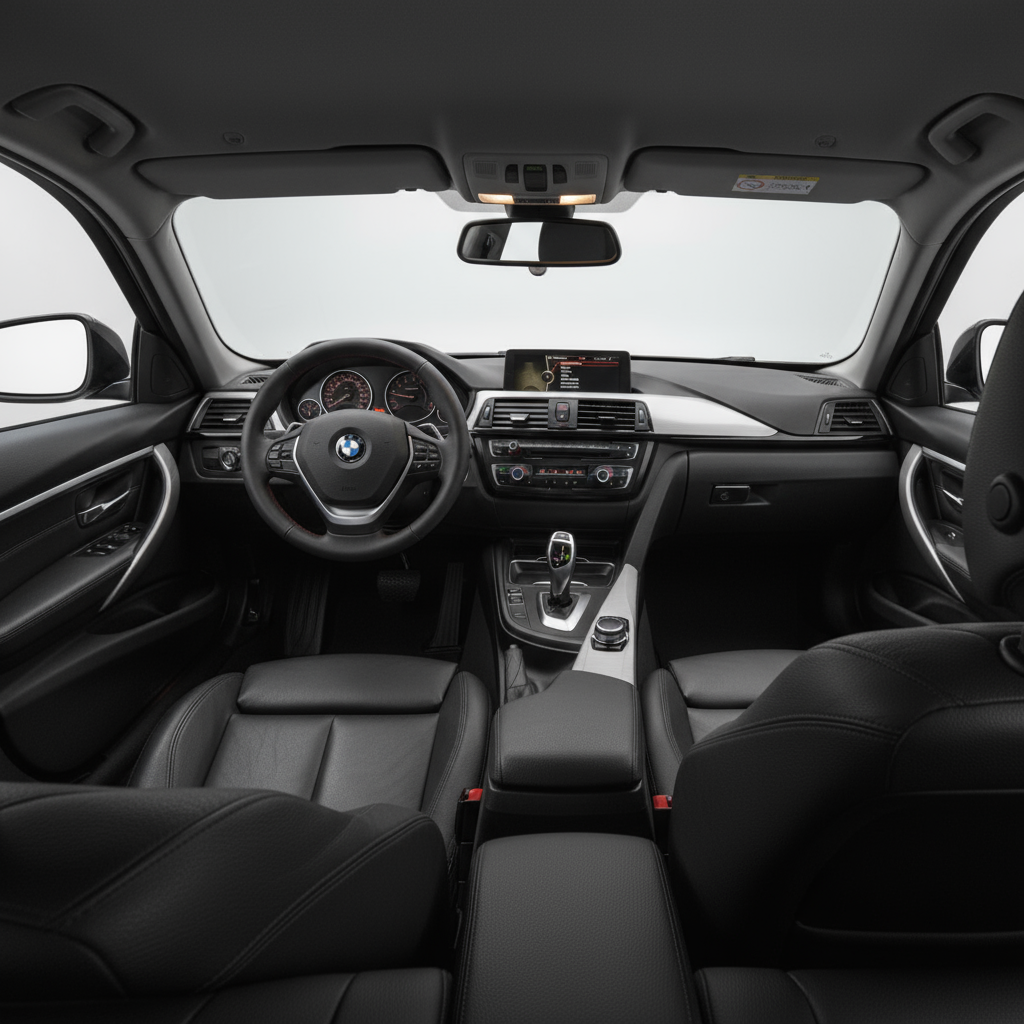
The bodywork of the F30 generation is a work of art in motion. Its lines are sharp and athletic, a modern evolution that maintains the classic essence of the 3 Series. The front, with the headlights connected to the iconic kidney grilles, gives it an aggressive and elegant look. The proportions are perfect: a long hood, a set-back cabin, and a short, muscular rear. Inside, the cabin embraces you, with a driver-oriented design and a quality of materials that justifies its premium status, creating an atmosphere where every journey feels special.
Technology and features
For its time, the 316i integrated technology designed to improve both efficiency and experience. The Start-Stop system was standard, aiming to reduce consumption in the city. The direct injection and turbocharged engine was a well-executed example of 'downsizing'. Although it was the entry-level version, it already had the basic iDrive system to control vehicle functions and the ability to select different driving modes that adjusted the engine's response, proving that innovation was present in every corner.
Competition
In the exclusive club of premium sedans, the BMW 316i faced titans like the Audi A4 and the Mercedes-Benz C-Class. While the Audi A4 stood out for its front-wheel or quattro drive and an impeccable interior, and the C-Class established itself as the standard of comfort and luxury, the BMW played a different card: that of pure dynamism. Its main selling point was and still is a purer, more sporty driving experience, a rebellious soul that prioritizes the driver's emotion above all else.
Conclusion
The 2012 BMW 316i is not just the most affordable option in the range; it is the distilled essence of the 3 Series. It proves that driving pleasure does not lie solely in raw power, but in a perfectly balanced chassis, communicative steering, and the unmistakable feel of rear-wheel drive. It is a car for purists, for those who value engineering and the connection with the road. A smart and deeply emotional choice that offers the character of a true BMW in an accessible and efficient package.