
Especificaciones y análisis del BMW Serie 1
Power
265HP
Torque
315Nm
Consumption
8.3l/100
Emissions
198g/km
0-100 km/h
6.3s
Top Speed
250km/h
Weight
1485kg
Price
42,133€
Technical summary
Gasolina
Automático 6v
RWD
5 / 5 doors
330 L
53 L
195 kW
Current
Technical specifications
Engine
Capacities
Detailed analysis of the BMW 130i 5p Aut. · 265 CV (2008-2009)
General description
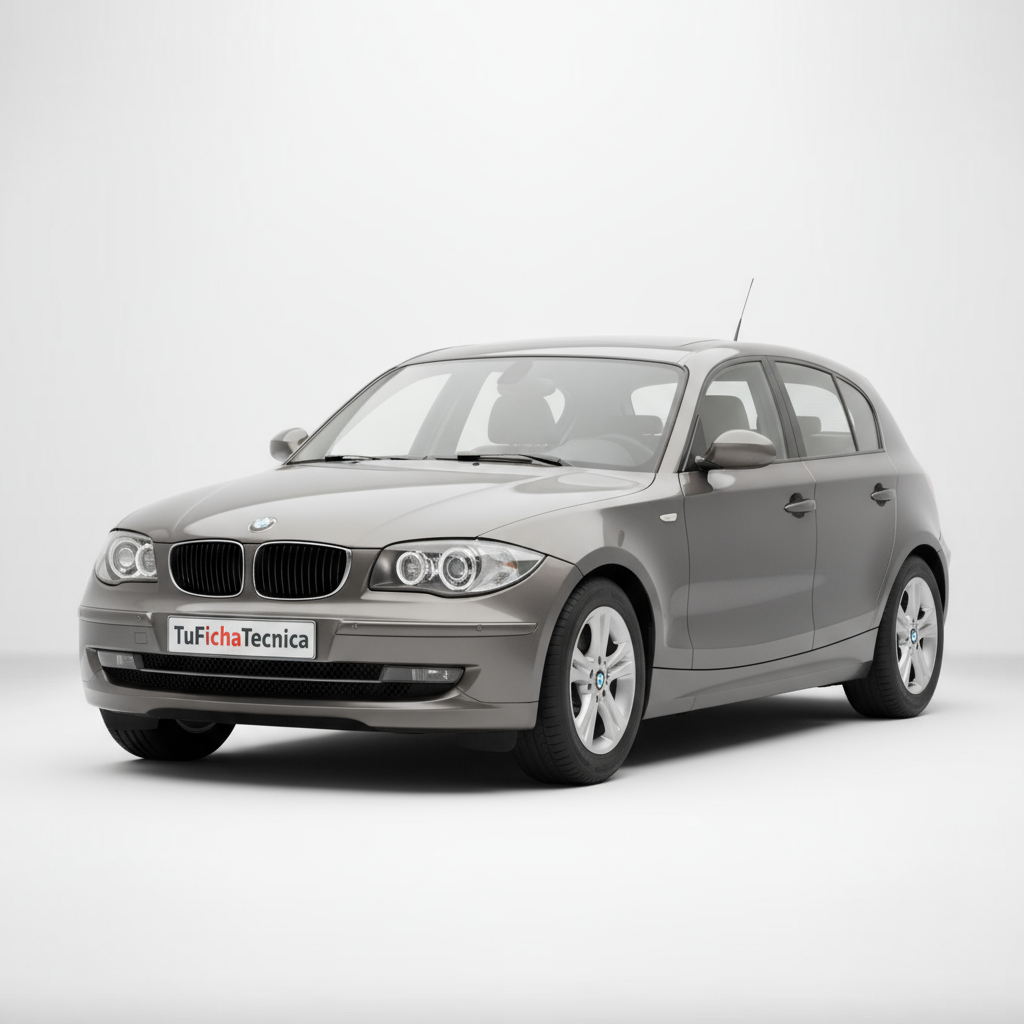
The E87 generation BMW 130i is much more than a simple compact; it is a statement of intent, a car born in an era when the passion for pure driving still dictated design. In a segment dominated by front-wheel drive, BMW dared to create a unique vehicle: a naturally aspirated inline-six engine, power sent to the rear axle, and a nearly perfect weight distribution. It is the last of a lineage, a true 'hot hatch' with the soul of a grand tourer.
Driving experience
Getting behind the wheel of the 130i is an experience that floods the senses. The heart of it all is its 3.0-liter engine, a mechanical gem that pushes with a linearity and elasticity that modern turbo engines cannot replicate. The sound it emits is addictive, a metallic melody that intensifies as the needle climbs to 6650 rpm. The rear-wheel drive connects you to the asphalt in a visceral way, allowing you to feel how the car rotates and propels itself out of corners. It is a machine that demands and rewards, a constant dialogue between the driver and the road.
Design and aesthetics
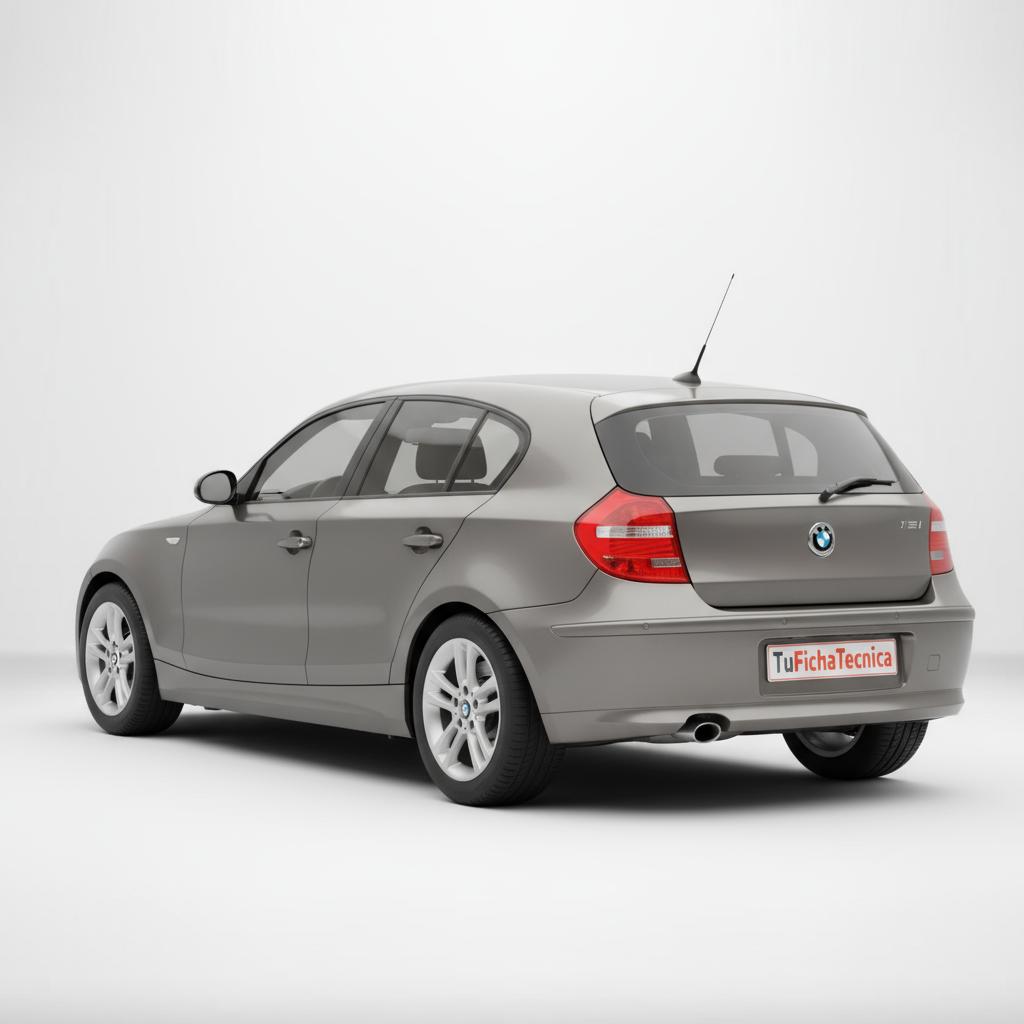
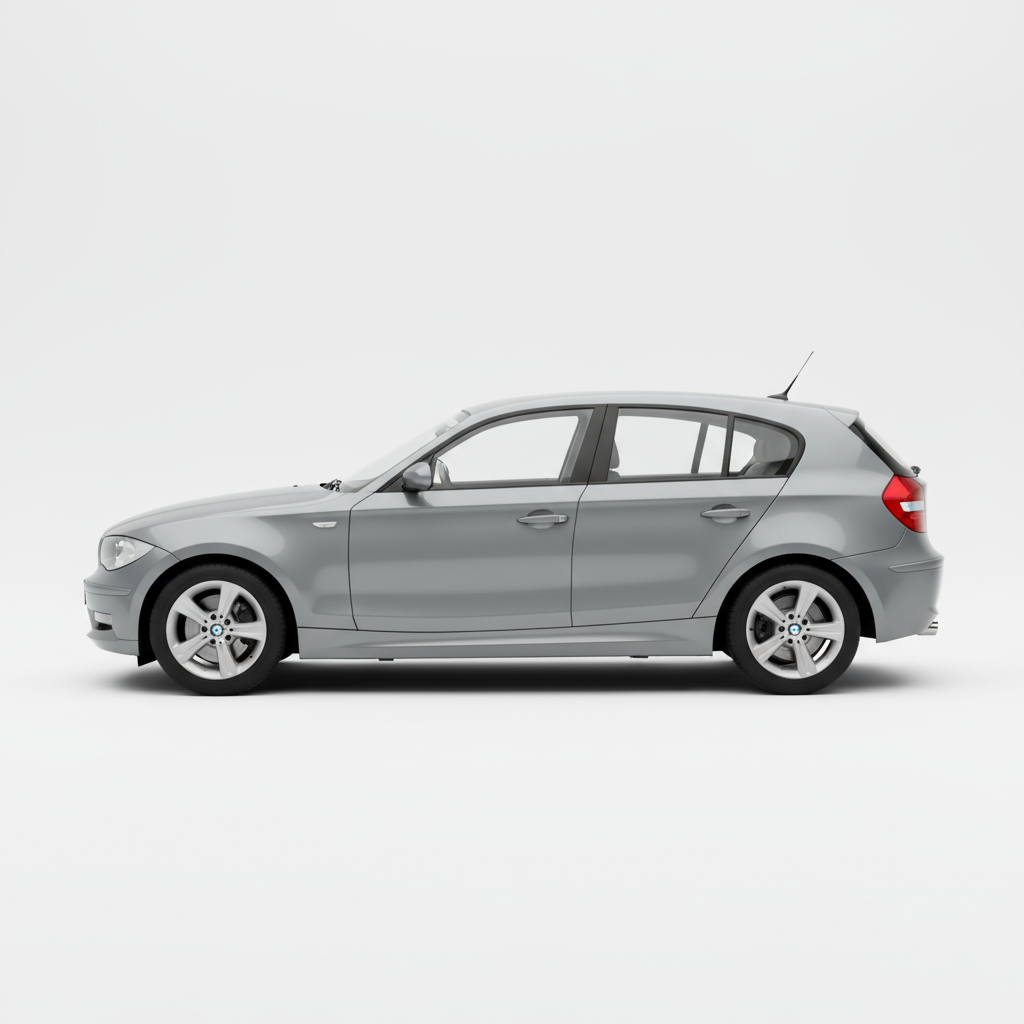
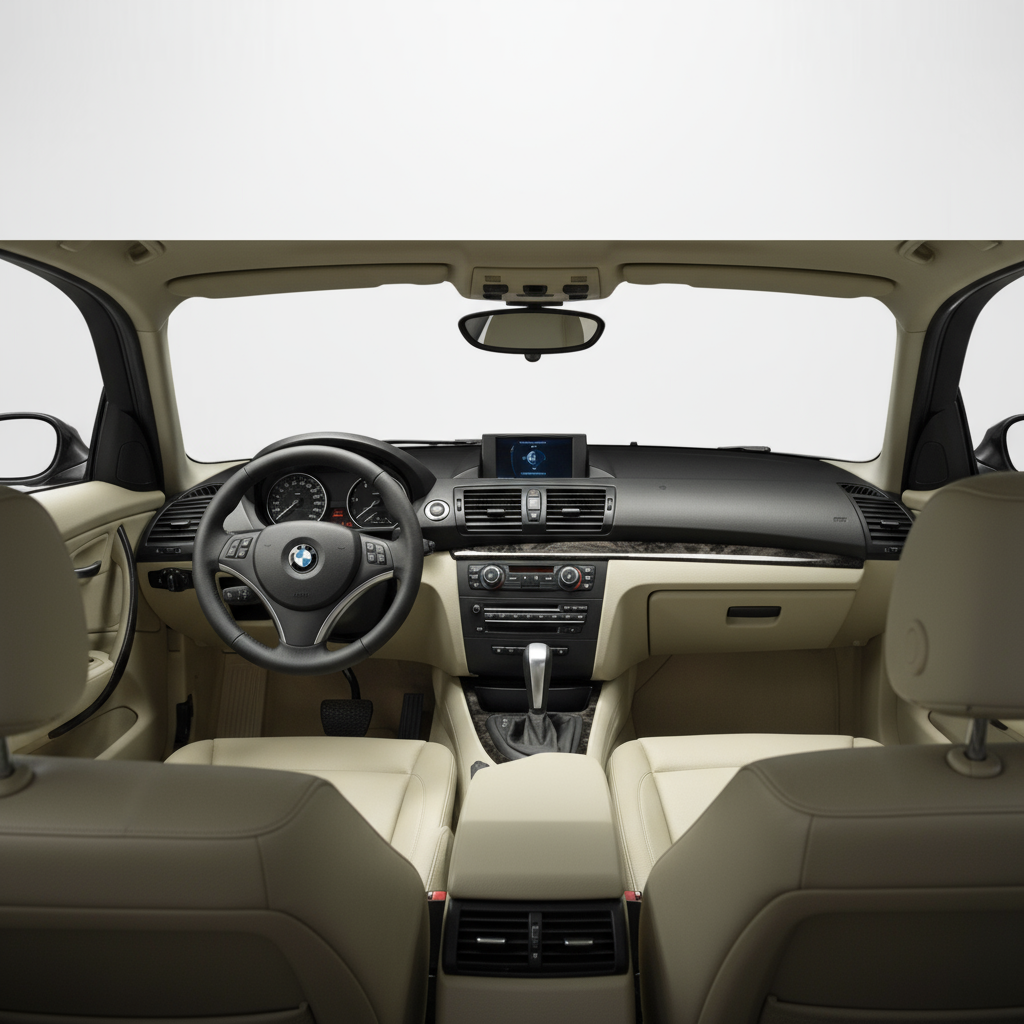
Its design is a direct consequence of its mechanics. The long hood is not an aesthetic whim, but a necessity to house the longitudinal engine. This pushes the cabin back and gives it unique, muscular, and compact proportions. It is not the most spacious car in its class, especially in the rear seats, but its silhouette conveys an unmistakable tension and dynamism. The interior is sober and functional, a typical BMW cockpit, where every control is driver-oriented and the quality of the materials evokes a sense of durability and solidity.
Technology and features
The true technological prowess of this car lies in its chassis and engine. The aluminum and magnesium block was an advanced solution to reduce weight on the front axle, improving balance. Although its indirect injection system may seem outdated, the Valvetronic engine management allowed for remarkable response and efficiency for its time. The electric power steering and a finely tuned chassis with multi-link rear suspension show that the priority was dynamics, above the screens or digital assistants that are common today.
Competition
In its time, the 130i played in a very exclusive league. Its most direct rivals in terms of engine concept were the Audi A3 3.2 V6 quattro and the Volkswagen Golf R32. Both offered powerful six-cylinder engines, but their character was very different due to their all-wheel-drive systems, which prioritized safety and traction in all conditions over the purity of rear-wheel drive. Against them, the BMW was the purist, the car for the driver seeking more authentic and challenging sensations.
Conclusion
The BMW 130i is a gem, a future classic that represents the essence of what 'the pleasure of driving' means. It is a car with a huge heart in a compact body, a combination that is practically impossible to find today. It is not the most practical or the most efficient, but the emotions it conveys, the sound of its engine, and the purity of its driving make it an object of desire for any enthusiast. It is an unforgettable machine that leaves an indelible mark on whoever drives it.