


Especificaciones y análisis del BMW Serie 1
Power
265HP
Torque
315Nm
Consumption
9.2l/100
Emissions
221g/km
0-100 km/h
6.1s
Top Speed
250km/h
Weight
1450kg
Price
38,000€
Technical summary
Gasolina
Manual 6v
RWD
5 / 5 doors
330 L
53 L
195 kW
Current
Technical specifications
Engine
Capacities
Detailed analysis of the BMW 130i · 265 CV (2005-2007)
General description
The BMW 130i is much more than a simple compact; it's a statement of intent, a gem of German engineering from an era when the passion for driving dictated design. In a compact and practical 1 Series body, BMW managed to house a noble heart: a six-cylinder inline engine and rear-wheel drive. It's the last of a lineage, a car that whispers promises of asphalt and pure emotions in your ear.
Driving experience
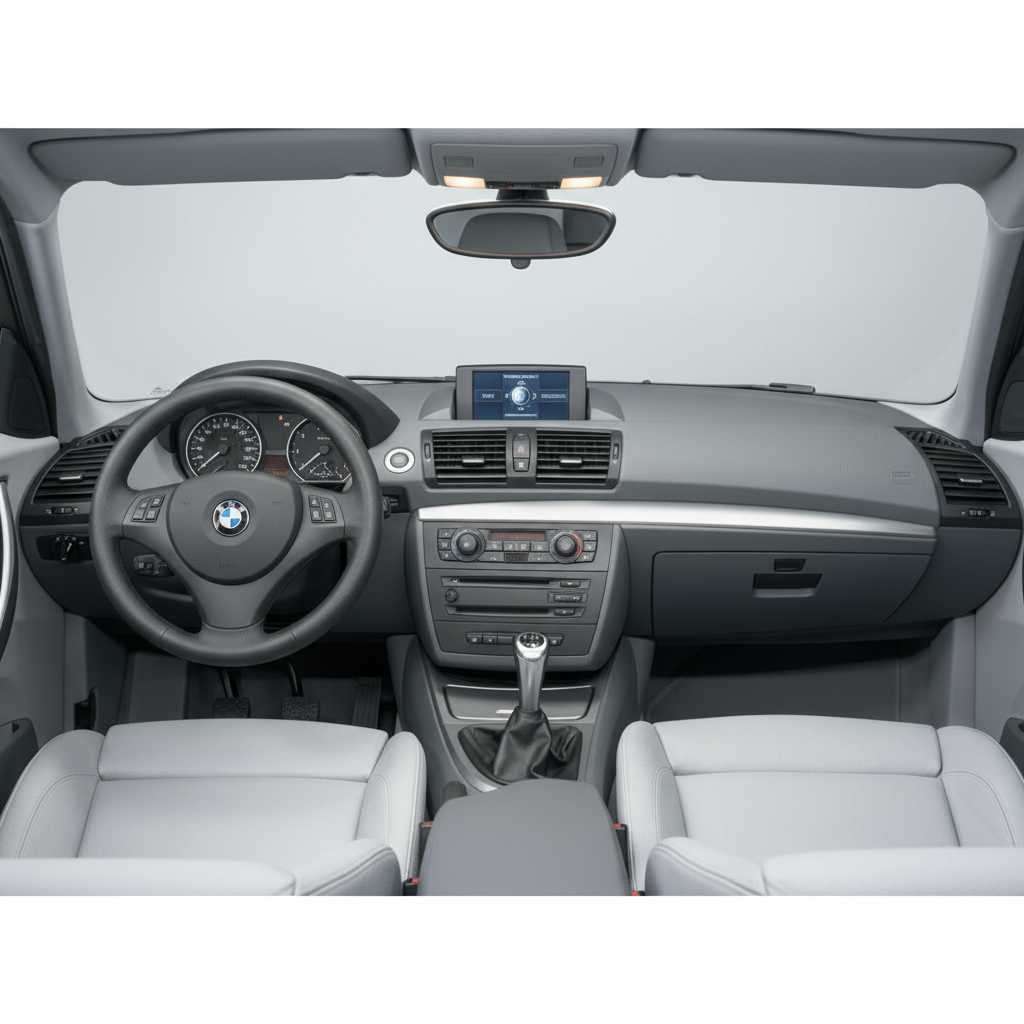
Getting behind the wheel of the 130i is a visceral experience. The startup awakens a deep, melodic purr that turns into an addictive metallic howl above 4000 rpm. Its 265 horsepower, delivered linearly and forcefully, pins you to the seat while the rear hints at its playful character in every corner. The steering is direct, the manual gearbox precise, and the chassis feels agile and balanced, conveying a total connection between the driver, the machine, and the road. It's pure mechanical bliss.
Design and aesthetics
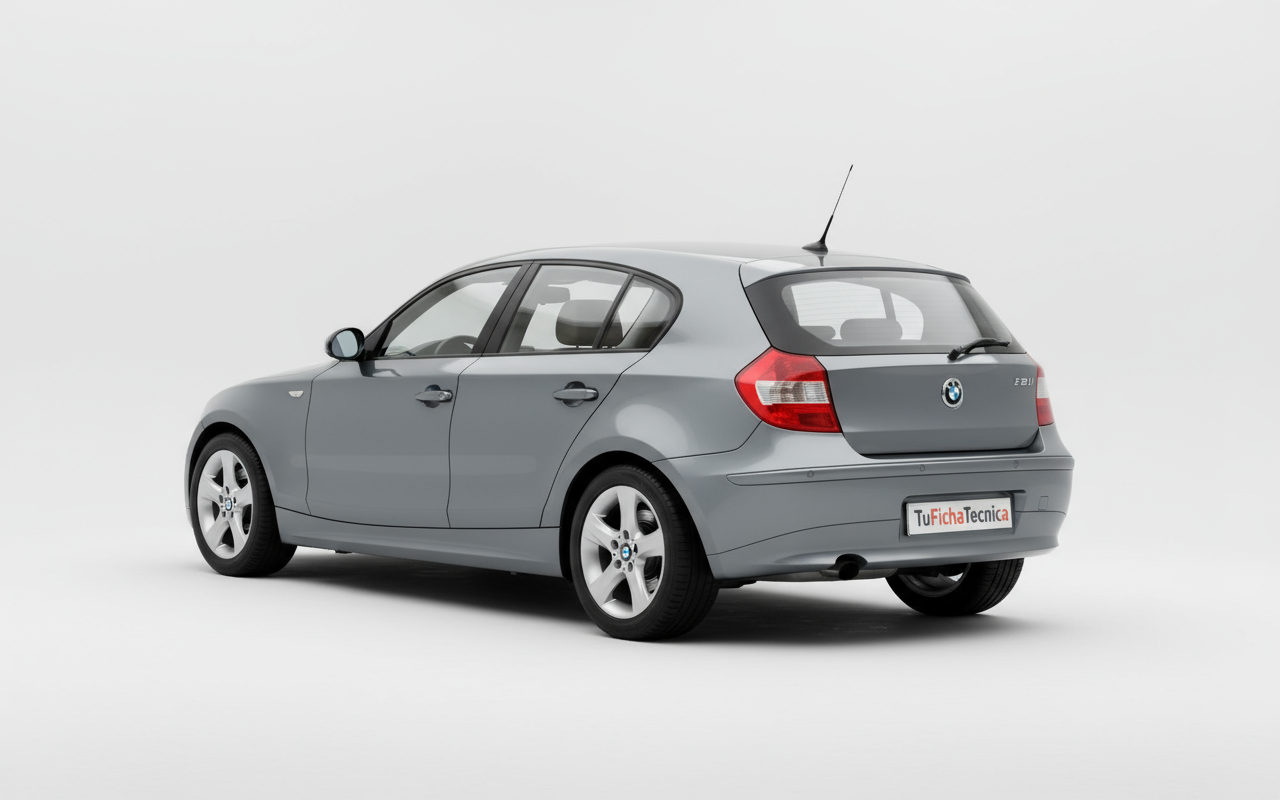
The design of the first-generation 1 Series is unmistakable and timeless. Its long hood is not an aesthetic whim, but the logical consequence of housing its six-cylinder engine longitudinally. The set-back cabin and short overhangs scream 'rear-wheel drive' from every angle. Although controversial in its day, it is now appreciated as an athletic silhouette with an overwhelming personality that distinguishes it from any other compact.
Technology and features
The true technological magic of the 130i lies in its N52 engine. A 3.0-liter work of art built from an aluminum and magnesium alloy to be incredibly lightweight. With indirect injection and a sophisticated variable intake system, it offered instant throttle response and superb elasticity, something unthinkable in today's turbo engines. Its chassis, with McPherson front suspension and an advanced multi-link rear axle, gave it dynamic behavior worthy of a higher-category sports car.
Competition
At the time, finding a direct rival for the 130i was an almost impossible task. While the Volkswagen Golf R32 offered a six-cylinder engine but with all-wheel drive, and the Alfa Romeo 147 GTA opted for a V6 and front-wheel drive, the BMW was the only purist in the segment. Its combination of a naturally aspirated six-cylinder engine, manual gearbox, and rear-wheel drive made it a unique proposition, a car for connoisseurs that had no true competitor in its philosophy.
Conclusion
The BMW 130i is not a car chosen with the head, but with the heart. It's an analog machine in an increasingly digital world, a tribute to driving in its purest form. It represents a formula we are unlikely to see again: a big engine in a small car. Today it is a modern classic, a vehicle that creates a deep emotional bond and rewards its driver with smiles and adrenaline on every journey.