
Especificaciones y análisis del BMW Serie 1
Power
265HP
Torque
315Nm
Consumption
8.3l/100
Emissions
199g/km
0-100 km/h
6.2s
Top Speed
250km/h
Weight
1475kg
Price
41,233€
Technical summary
Gasolina
Automático 6v
RWD
5 / 3 doors
330 L
53 L
195 kW
Current
Technical specifications
Engine
Capacities
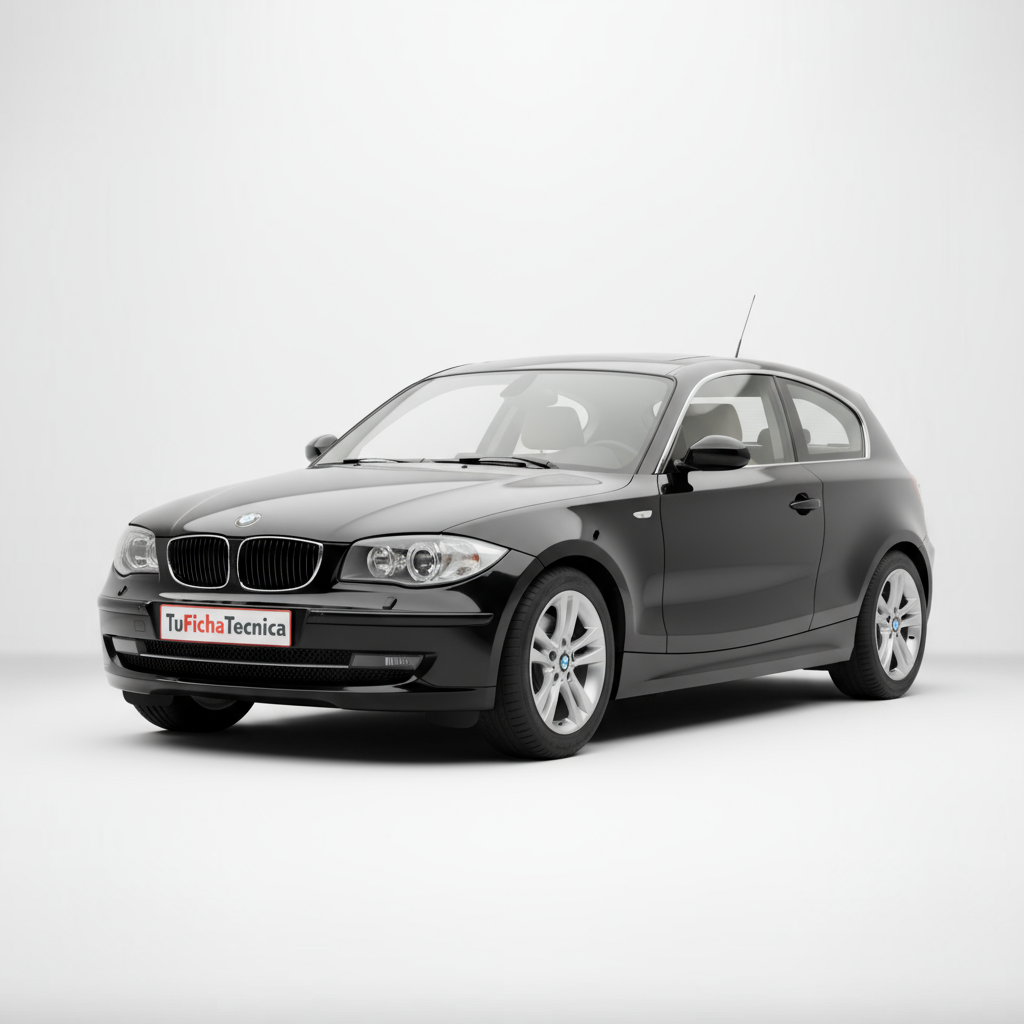
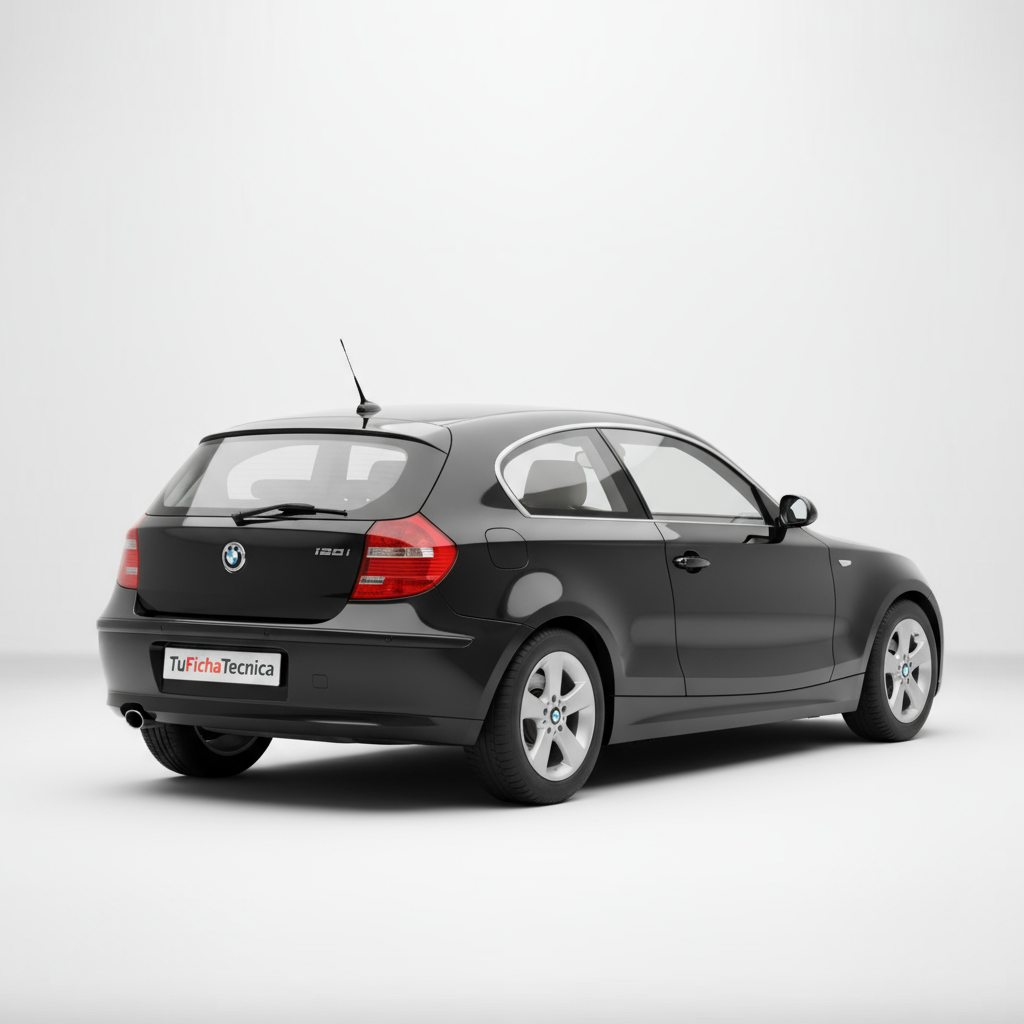
Detailed analysis of the BMW 130i 3p Aut. · 265 CV (2008-2009)
General description
The 2007 BMW 130i is not just a car; it's a statement of intent. In an era where hot hatches were beginning to surrender to front-wheel drive and turbo engines, BMW dared to create a gem: a compact 3-door chassis, a glorious naturally aspirated inline-six engine, and the purity of rear-wheel drive. It's the classic BMW recipe distilled into its smallest and most potent bottle, a car that evokes instant nostalgia for a way of understanding motoring that seems to be fading away.
Driving experience
Getting behind the wheel of the 130i is to rediscover the pleasure of driving. The heart of it all is its 3.0-liter, 265-horsepower engine, a mechanical work of art that pushes with a linearity and a soundtrack that gives you goosebumps. Every acceleration is a symphony ranging from a deep murmur to an addictive metallic howl near 6650 rpm. The rear-wheel drive connects you to the asphalt, allowing you to feel the car rotate with superb agility, while the steering transmits every nuance of the road. It's an analog machine in a digital world, a car that demands from you and rewards you in equal measure, creating an unforgettable bond between man and machine.
Design and aesthetics
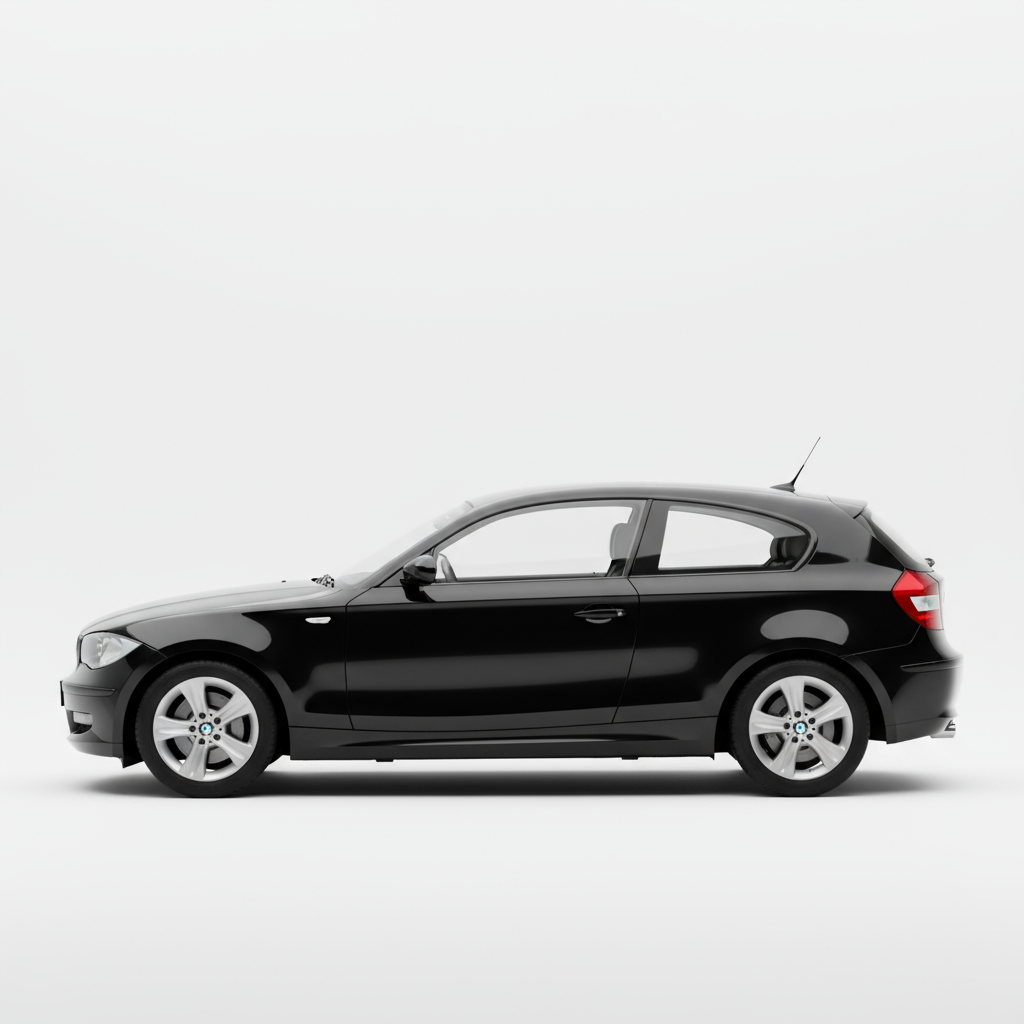
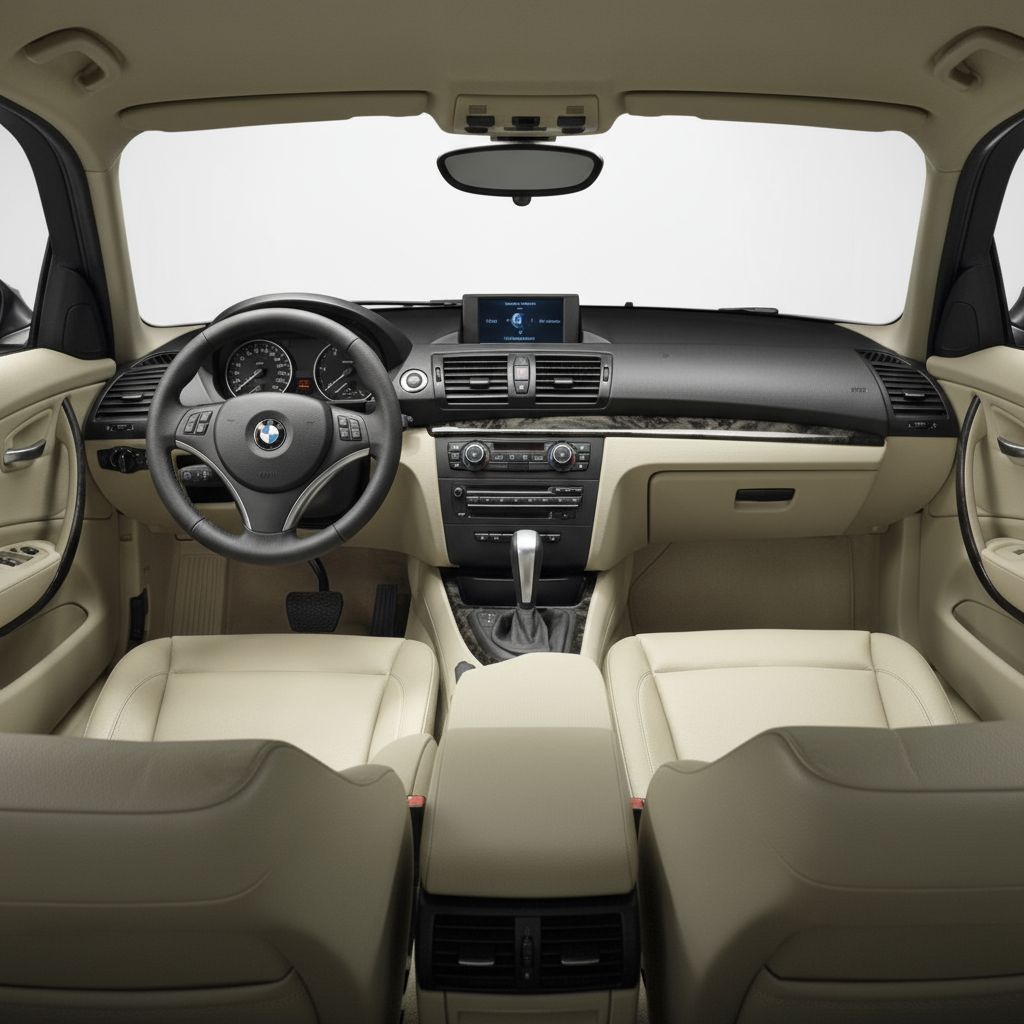
Its design, a product of the Bangle era, has matured with timeless elegance. The 3-door body accentuates its sporty character, with a long hood hiding the longitudinal engine and a set-back cabin, following the brand's canonical proportions. It's a muscular, compact, and crouched car that radiates contained power. Inside, the atmosphere is sober and driver-focused, with high-quality materials that have stood the test of time well. There are no distractions, just perfect ergonomics that invite you to focus on the only thing that matters: driving.
Technology and features
The technology in the 130i serves dynamics, not entertainment. Its greatest technological feat is the engine itself, with an aluminum-magnesium alloy block to lighten the weight on the front axle. The indirect injection, although less efficient than current systems, gives it greater reliability and a purer throttle response. It had advanced elements for its time, such as electric power steering and a chassis with multi-link suspension, but its essence is mechanical. It's a car that shines for its chassis and engine engineering, not for its screens or connectivity.
Competition
At the time, few dared to challenge it on its own turf. Its most direct rivals, like the Audi A3 3.2 V6 quattro or the Volkswagen Golf R32, offered six-cylinder engines but opted for the safety of all-wheel drive, losing some of the purity and fun of the BMW. Other hot hatches like the Ford Focus ST or the Renault Mégane RS were front-wheel-drive beasts with turbo engines, offering a more explosive but less refined character. The 130i played in its own league, that of the purists.
Conclusion
The BMW 130i is much more than just a fast compact; it's a living collector's item, a testament to an engineering philosophy that prioritized sensations over numbers. It's a car for those who understand driving as an art and a passion. Its combination of a naturally aspirated engine, rear-wheel drive, and a compact chassis is a magic formula we are unlikely to see again. Owning one isn't just having a car; it's safeguarding a piece of BMW's best history, an emotional experience that appreciates with every kilometer.