

Especificaciones y análisis del Audi Q5
Power
245HP
Torque
480Nm
Consumption
6.9l/100
Emissions
159g/km
0-100 km/h
7.1s
Top Speed
222km/h
Weight
1985kg
Price
57,400€
Technical summary
Híbrido
Automático 8v
AWD
5 / 5 doors
460 L
72 L
180 kW
Current
Technical specifications
Engine
Capacities
Detailed analysis of the Audi Q5 hybrid quattro 2.0 TFSI tiptronic 8 vel. · 245 CV (2011-2012)
General description
The 2009 Audi Q5 hybrid quattro 2.0 TFSI tiptronic 8-speed is a bold proposition from Audi, combining the versatility of an SUV with the efficiency of a hybrid system. This model, with its distinctive 245 HP engine, aims to offer a balanced driving experience between power and environmental respect, marking a milestone in the electrification of the Q5 range.
Driving experience
Behind the wheel of the Q5 hybrid, the sensation is one of remarkable smoothness and refinement. The transition between the electric and combustion engines is almost imperceptible, contributing to a pleasant and quiet journey. The acceleration from 0 to 100 km/h in 7.1 seconds is more than sufficient for most situations, and the top speed of 222 km/h demonstrates that it does not compromise on performance. The speed-sensitive electric power steering offers precise response, while quattro traction ensures excellent grip in various conditions. Despite its weight of almost two tons, it feels agile and secure on the road, although its size is noticeable in very tight corners.
Design and aesthetics
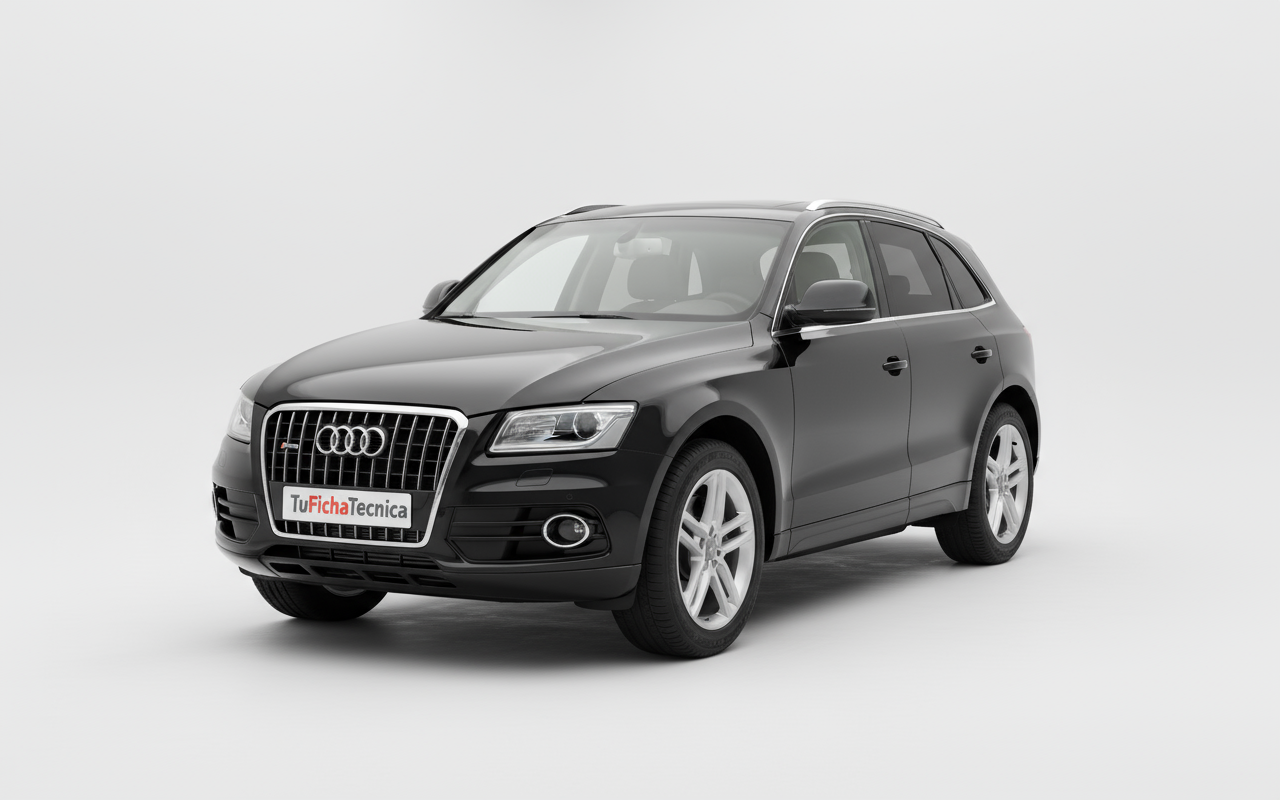
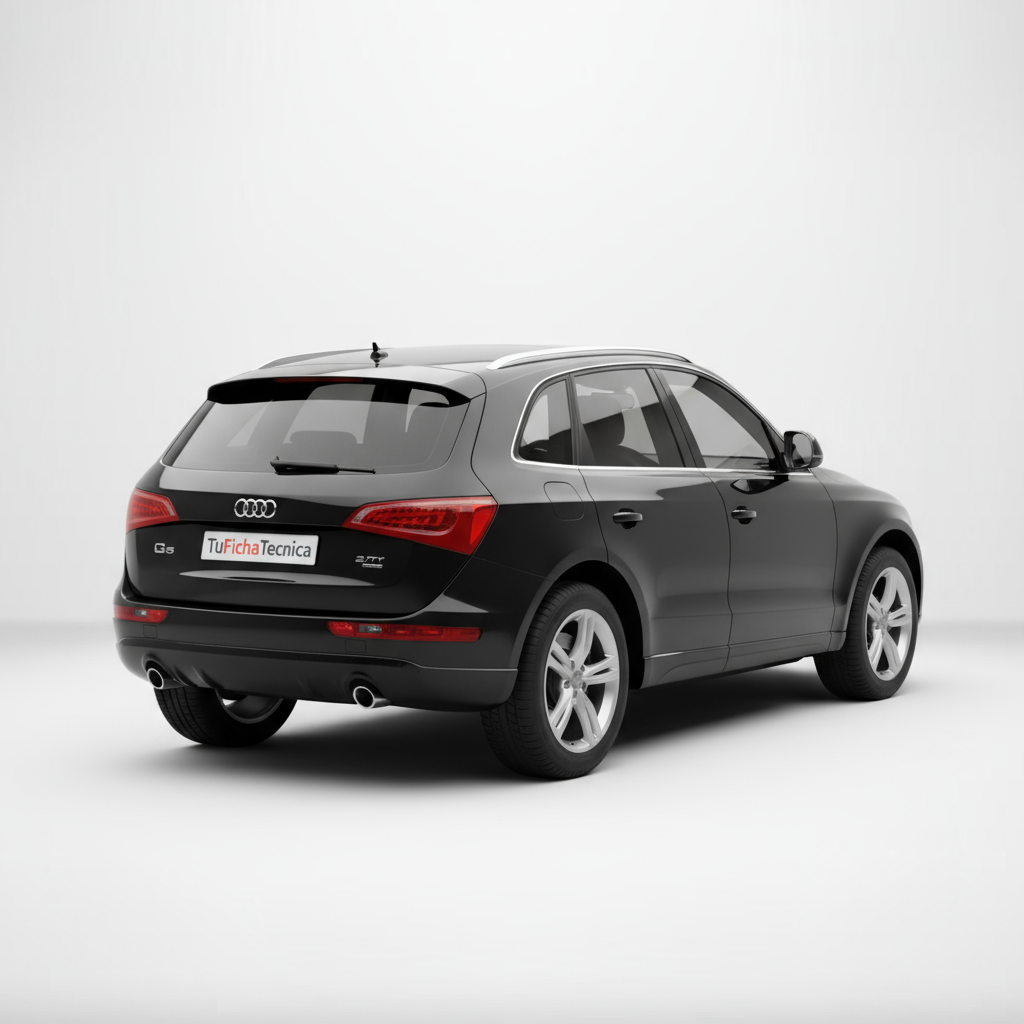
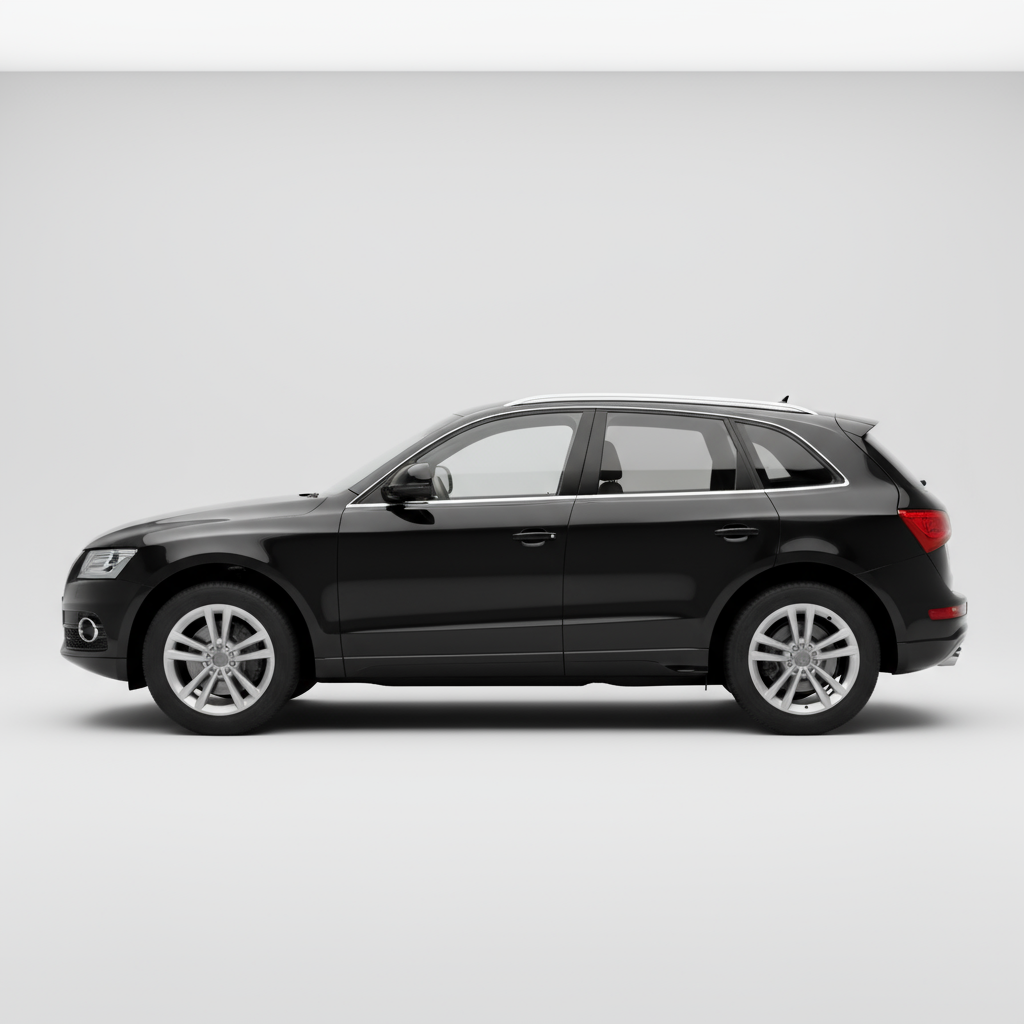
The design of the Audi Q5 hybrid maintains the characteristic elegance and robustness of the brand. Its fluid lines and balanced proportions give it an imposing yet sophisticated presence. The specific details of the hybrid version are subtle, integrating harmoniously into the overall design. The interior, true to Audi style, stands out for the quality of its materials and an ergonomic design that prioritizes comfort and functionality. Although the trunk is slightly affected by the battery, it still offers reasonable capacity for daily use.
Technology and features
This Q5 hybrid incorporates advanced technology for its time. Its hybrid system combines a 2.0 TFSI gasoline engine with an electric motor, powered by a 1.36 kWh lithium-ion battery located at the rear. The 8-speed tiptronic transmission intelligently manages power delivery, optimizing consumption and performance. Quattro all-wheel drive is a fundamental pillar in the vehicle's safety and dynamism. In addition, it features an electric power steering system that improves maneuverability and efficiency. The DGT ECO label is a clear indicator of its commitment to sustainability.
Competition
In the segment of premium hybrid SUVs of its time, the Audi Q5 hybrid faced competitors such as the Lexus RX 450h, which offered a similar proposition in terms of luxury and hybrid efficiency, albeit with a focus more on comfort. High-end diesel versions of other premium SUVs such as the BMW X3 or the Mercedes-Benz GLK could also be considered rivals, which, although not hybrids, competed in the same price and performance range, offering an alternative in terms of consumption and performance.
Conclusion
The 2009 Audi Q5 hybrid quattro 2.0 TFSI tiptronic 8-speed is a vehicle that successfully combined the versatility of an SUV, the luxury of Audi, and the efficiency of a hybrid system. It offers a pleasant driving experience, a timeless design, and technology that, for its time, was cutting-edge. Despite its high price, it represented an attractive option for those looking for a premium SUV with a lower environmental impact and dynamic performance. It is a car that, without a doubt, left its mark on the path towards automotive electrification.