
Especificaciones y análisis del Audi A2
Power
110HP
Torque
155Nm
Consumption
5.9l/100
Emissions
-g/km
0-100 km/h
9.8s
Top Speed
202km/h
Weight
1070kg
Price
20,880€
Technical summary
Gasolina
Manual 5v
FWD
4 / 5 doors
390 L
42 L
81 kW
Current
Technical specifications
Engine
Capacities
Detailed analysis of the Audi A2 1.6 FSI · 110 CV (2002-2006)
General description
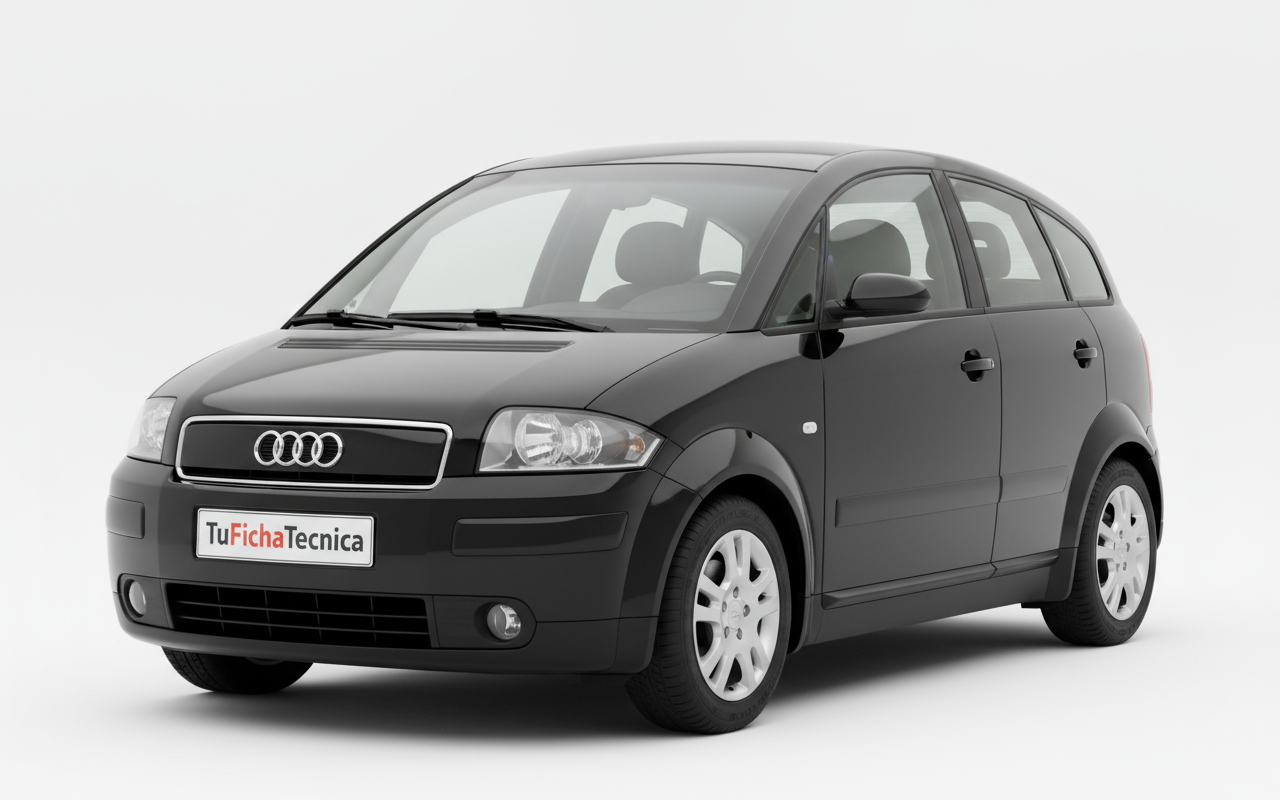
The Audi A2 1.6 FSI wasn't just a car; it was a bold statement of intent, a glimpse into the future of the automobile launched at the beginning of the millennium. Conceived as a premium urban vehicle, its revolutionary aluminum construction and avant-garde design made it a unique piece, misunderstood in its time, that today inspires deep admiration for its courage and ingenuity.
Driving experience
Getting behind the wheel of the A2 1.6 FSI is an experience that surprises and captivates. Its incredible lightness, a result of its aluminum chassis, translates into an almost playful agility. The 110 horsepower of its direct-injection engine feels lively and energetic, moving the car with unexpected ease and allowing it to reach 202 km/h with composure. The five-speed manual transmission connects you directly to the mechanics, making every journey a dialogue between driver and machine. It's a car that invites you to enjoy driving, to feel the road, and to smile on every curve.
Design and aesthetics
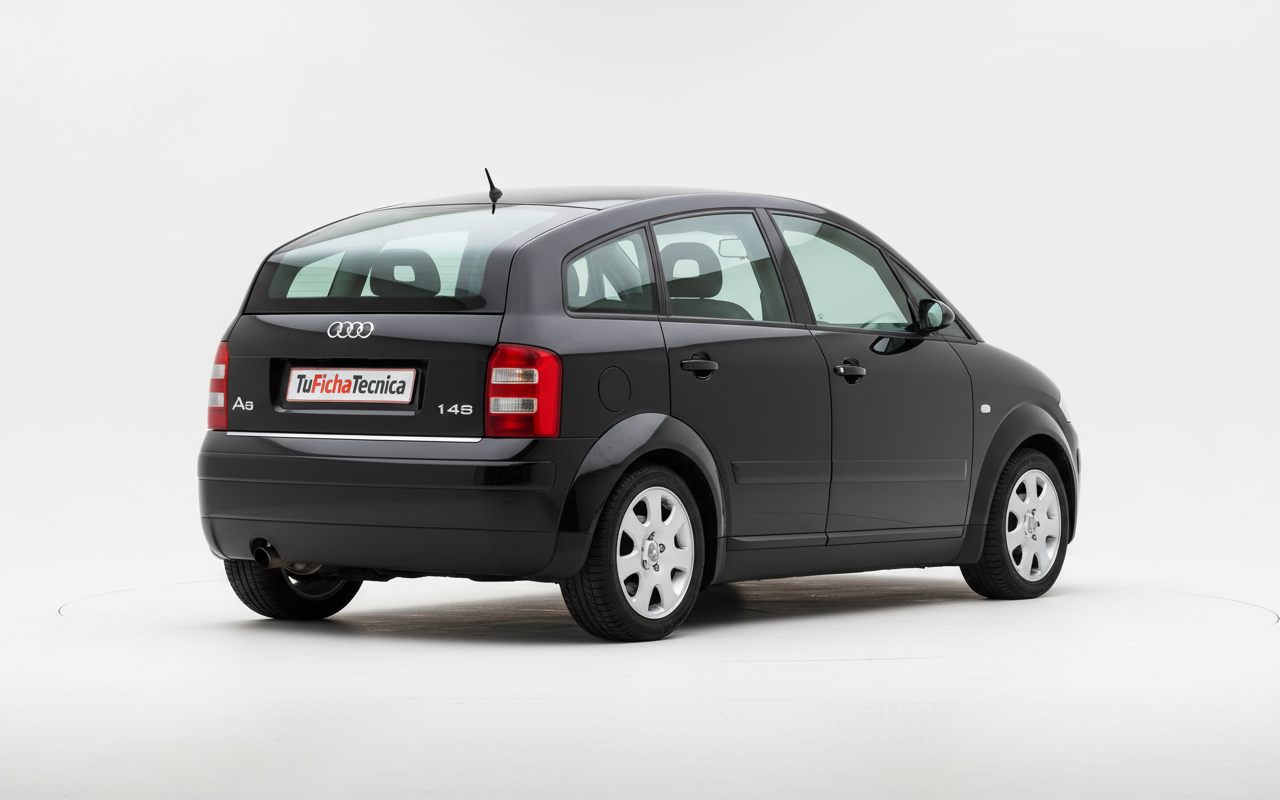
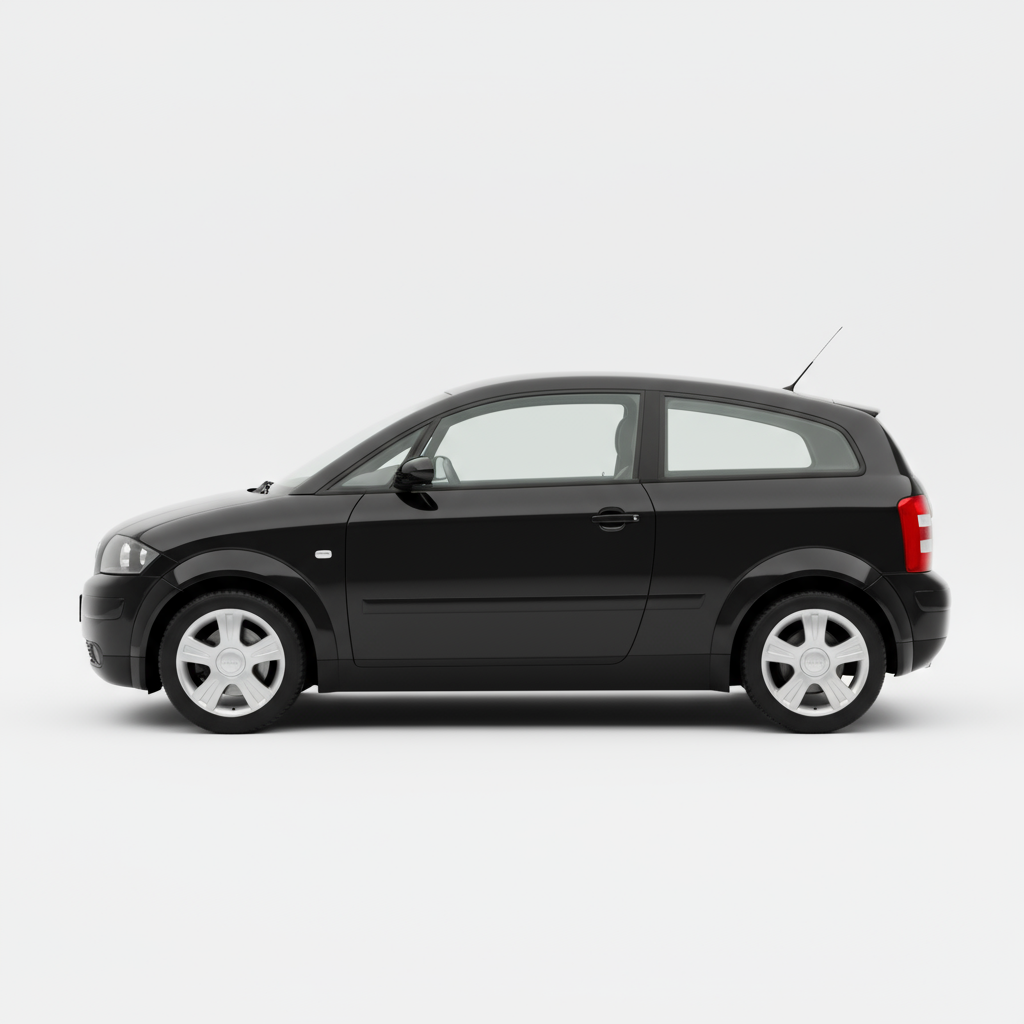
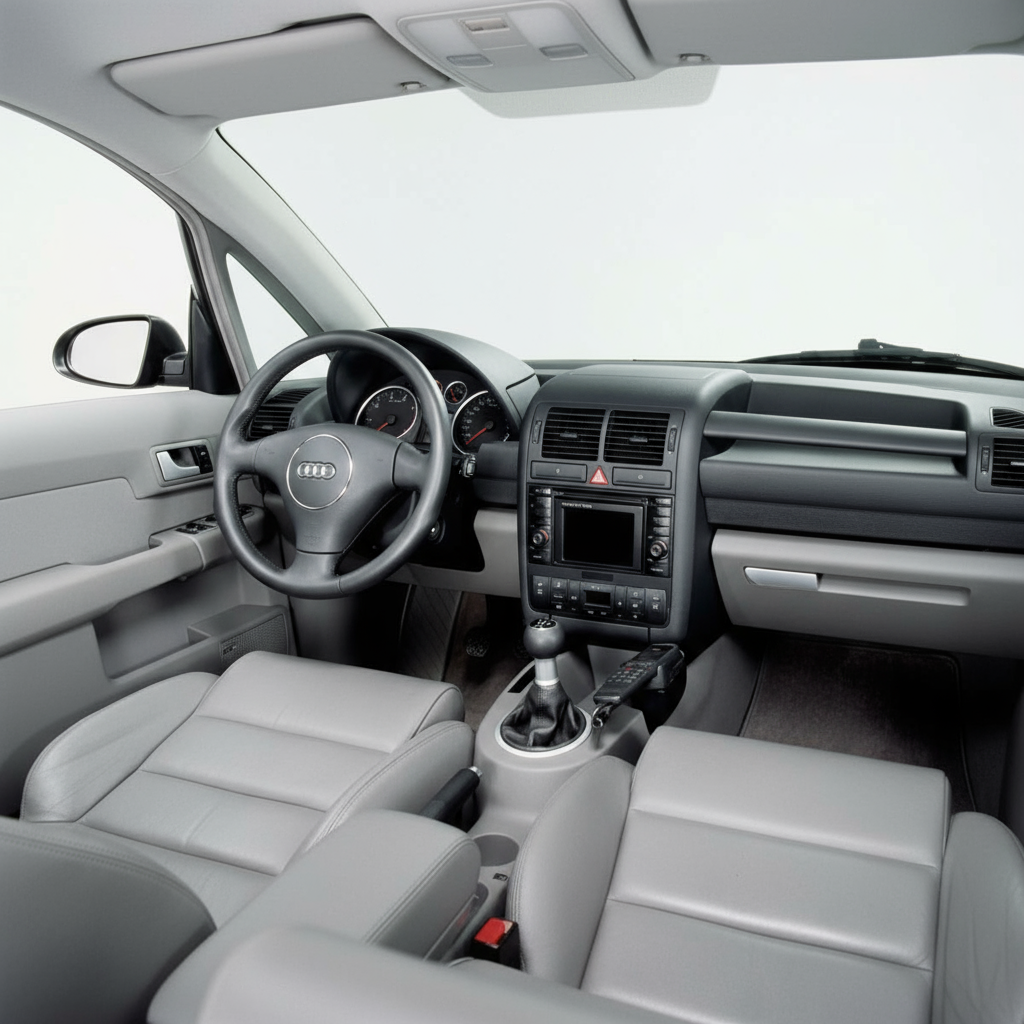
The design of the Audi A2 is a masterpiece of functionality and efficiency. Its compact, tall, and narrow minivan silhouette was sculpted in the wind tunnel to achieve exceptional aerodynamics. But the real magic lies beneath the skin: its aluminum Audi Space Frame structure, a technology inherited from the flagship A8, was something never before seen in a car of its segment. This radical approach not only made it incredibly light but also maximized a surprisingly spacious and bright interior. Details like the 'Serviceklappe', a front flap for fluid levels instead of a traditional hood, underscore its unique and innovative character.
Technology and features
The A2 was a true technological laboratory on wheels. Its greatest achievement was, without a doubt, the democratization of lightweight construction with the Audi Space Frame (ASF), a milestone that reduced its weight to an astonishing 1070 kg. This not only improved performance but also drastically reduced fuel consumption. The 1.6 FSI engine was one of the first to incorporate direct gasoline injection in a small car, seeking the perfect balance between power and efficiency. Every component of the A2 was designed with an obsession for engineering and innovation, making it a car more than a decade ahead of its time.
Competition
Finding a direct rival for the Audi A2 is an almost impossible task because, quite simply, it played in its own league. By concept, its closest competitor was the first-generation Mercedes-Benz A-Class, which also featured an urban minivan design and innovative technical solutions. However, no other car of its time dared to use an all-aluminum construction. It faced premium B-segment cars like the MINI, but its proposal was so different and its price so high that it placed it in a unique space, a niche for connoisseurs who valued engineering above all else.
Conclusion
The Audi A2 1.6 FSI is the chronicle of a commercial failure that became a historical success. It was a brilliant car, but misunderstood and too expensive for the market of its time. Today, it is a cult object, a modern classic that represents Audi's audacity and its commitment to the motto 'Advancement through Technology'. Owning and driving an A2 is to feel that you are part of a special chapter in automotive history, a lesson that the best ideas sometimes need time to be appreciated. It is, in short, a gem of engineering that continues to thrill.