
Especificaciones y análisis del Audi A2
Power
75HP
Torque
126Nm
Consumption
6l/100
Emissions
-g/km
0-100 km/h
12s
Top Speed
173km/h
Weight
895kg
Price
19,431€
Technical summary
Gasolina
Manual 5v
FWD
4 / 5 doors
390 L
34 L
55 kW
Current
Technical specifications
Engine
Capacities
Detailed analysis of the Audi A2 1.4 Style · 75 CV (2000-2001)
General description
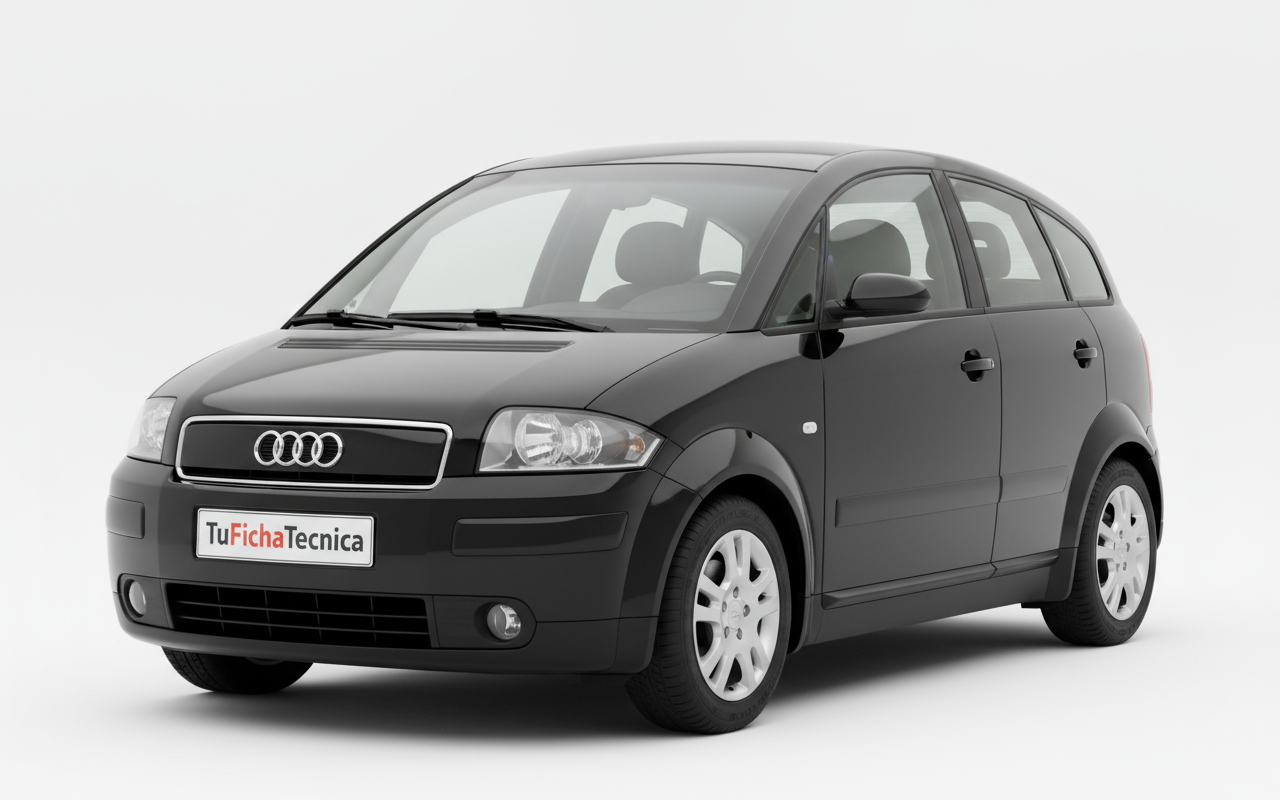
The Audi A2 was a flash of genius, a bold statement of intent from Audi at the beginning of the millennium. Conceived as the car of the future, this small minivan was not just a vehicle, but a feat of engineering that challenged all the conventions of its segment. Its arrival was a visionary whisper that, perhaps, the world was not ready to hear.
Driving experience
Driving the Audi A2 is an experience that deceives the senses. Its 75 horsepower may seem modest, but its featherweight of just 895 kg transforms it into a surprisingly agile and lively vehicle, especially in the urban environment. Each shift of its 5-speed manual transmission connects you directly to the machine, offering a pure and honest drive. It doesn't seek raw speed, but intelligent agility, a feeling of control and lightness that makes you feel one with the asphalt, all from a high driving position that inspires confidence and commands the road.
Design and aesthetics
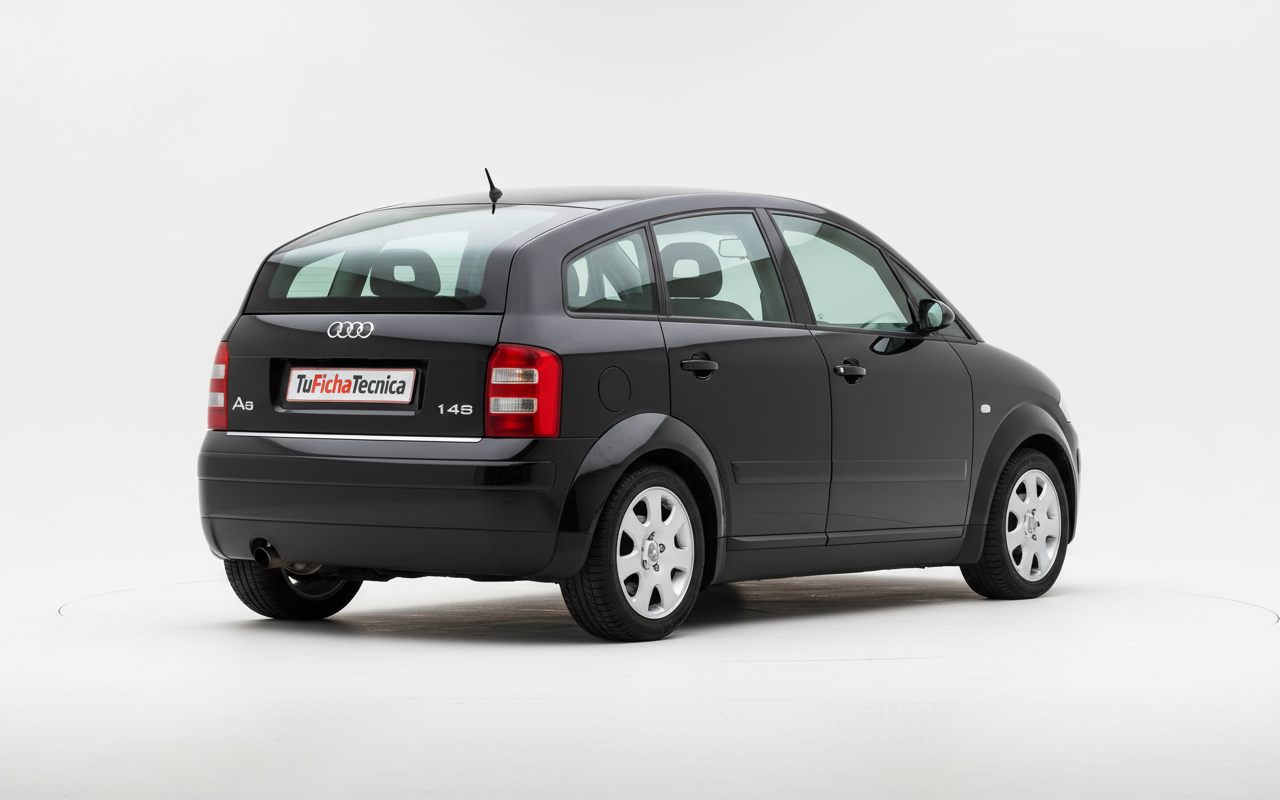
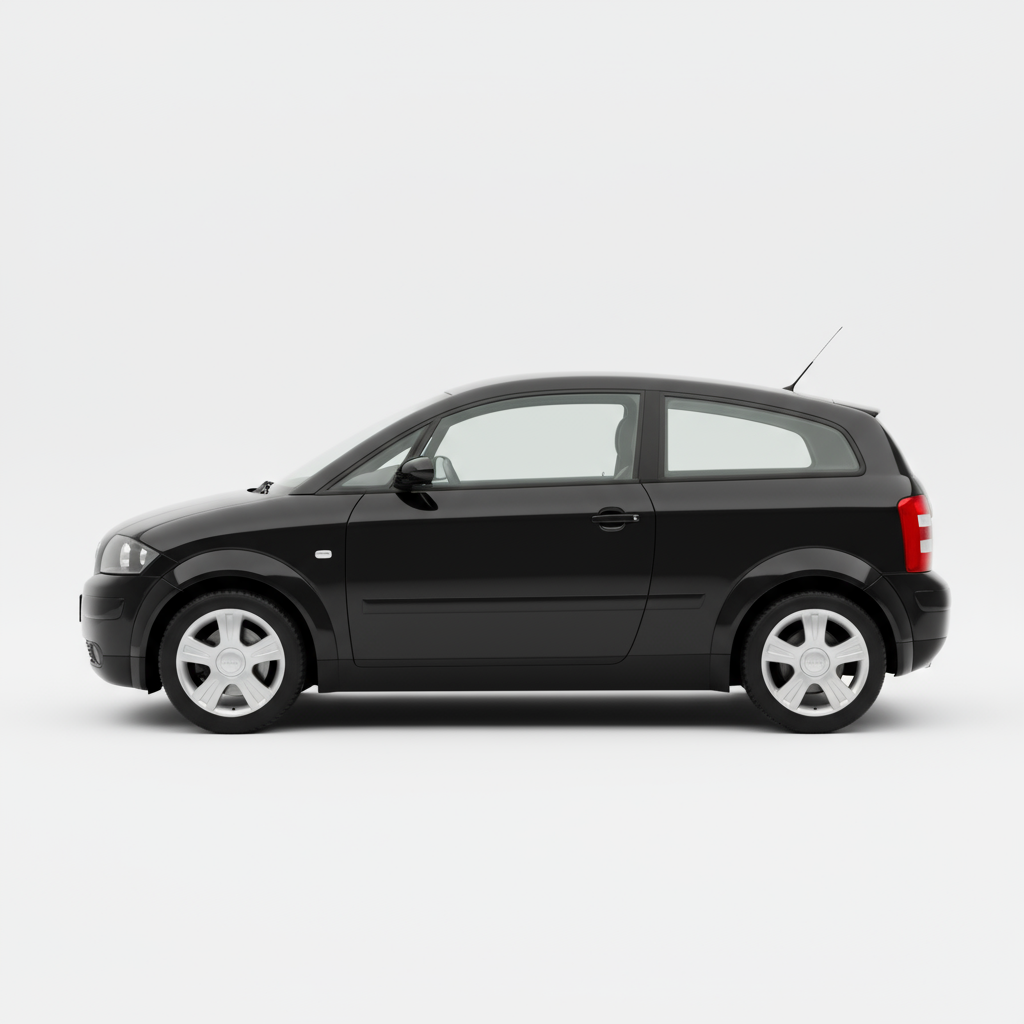
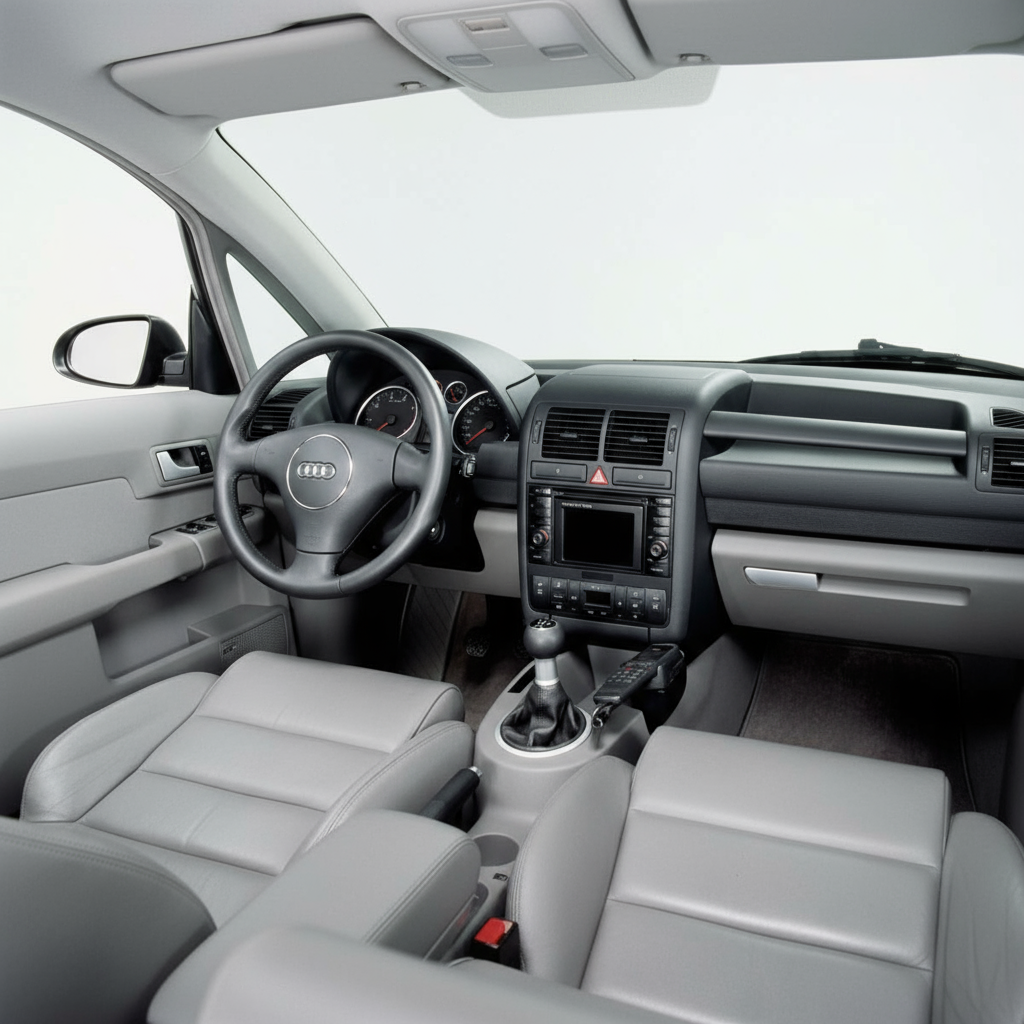
Its design is an ode to aerodynamics and function. The teardrop-shaped silhouette, with its high roof and short overhangs, broke molds and still looks futuristic decades later. It did not seek conventional beauty, but perfect efficiency, a brave decision that made it an instant icon. Inside, the space is surprisingly generous, a magic trick achieved by its intelligent architecture. The quality of the materials and assembly are pure Audi, creating a premium atmosphere that belied its compact size.
Technology and features
This is where the A2 became a legend. Its technological heart is the Audi Space Frame (ASF), a chassis and body built entirely of aluminum, a world first for a mass-produced car in its class. This radical innovation was the key to its incredible lightness and, therefore, its low consumption and agility. Details like the 'service flap', a simple hatch to check levels without opening a traditional hood, demonstrate a mindset obsessed with efficiency and redefining the established.
Competition
At its launch, its most direct rival was the Mercedes-Benz A-Class, another premium minivan that also explored innovative concepts. However, the high price and radical approach of the A2 placed it in a category of its own. More than competing with conventional utility cars like the Volkswagen Polo or the Renault Clio, the Audi A2 competed against the future itself, being a precursor that measured itself more against an idea than against sheet metal rivals.
Conclusion
The Audi A2 is the chronicle of a misunderstood success. It was a commercial failure but an engineering triumph, a car too advanced and expensive for its time. Today, time has proven it right, and it has become a cult object, a modern classic revered for its forward-thinking vision in efficiency and lightweight construction. Owning an A2 is not just having a car; it is safeguarding a piece of automotive history, the tangible memory of a brand that dared to dream of tomorrow.