

Especificaciones y análisis del Aston Martin Cygnet
Power
98HP
Torque
123Nm
Consumption
5l/100
Emissions
116g/km
0-100 km/h
11.8s
Top Speed
170km/h
Weight
1063kg
Price
40,960€
Technical summary
Gasolina
Manual 6v
FWD
4 / 3 doors
- L
32 L
72 kW
Current
Technical specifications
Engine
Capacities
Detailed analysis of the Aston Martin Cygnet · 98 CV (2012-2014)
General description
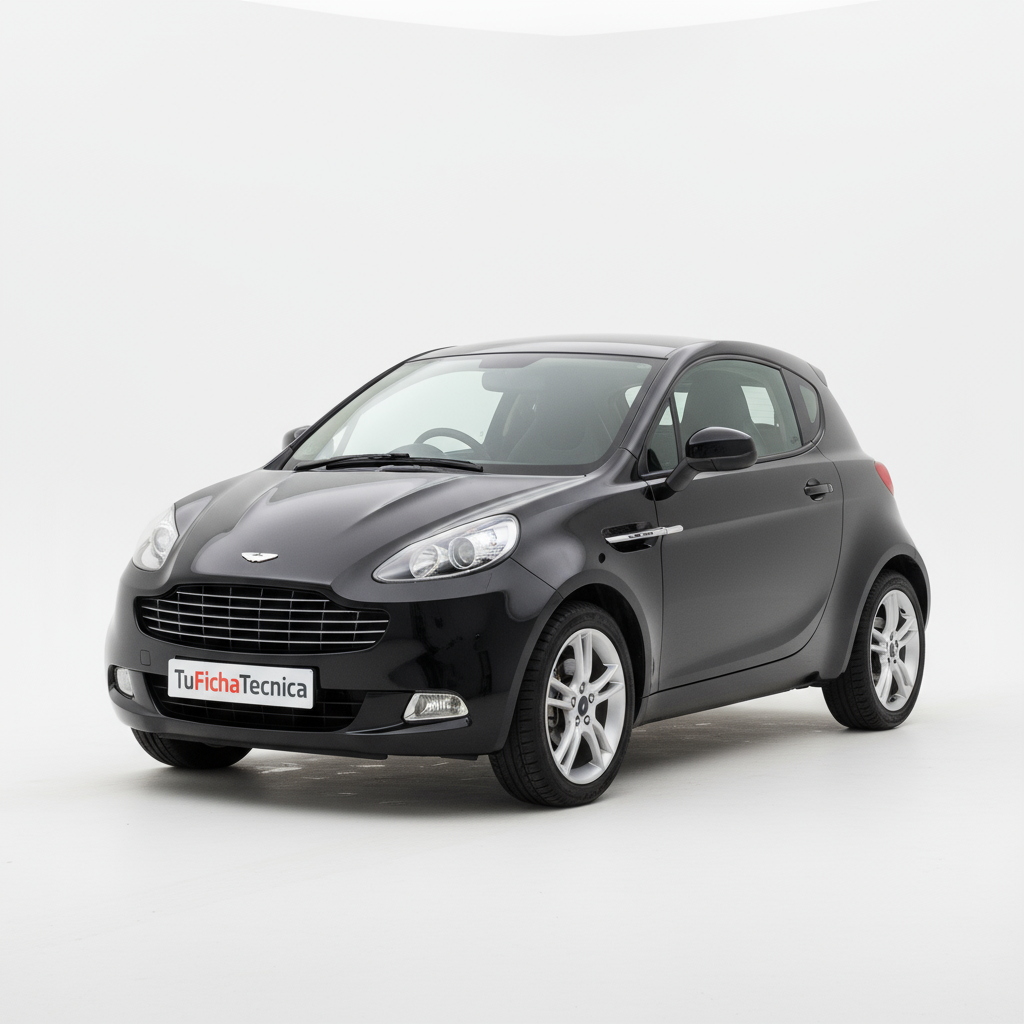
The Aston Martin Cygnet is one of the boldest and most bewildering experiments in automotive history. Born out of the need to comply with emissions regulations, this tiny city car is none other than a Toyota iQ dressed in a Savile Row tuxedo. It was a proposal that shook the foundations of what it meant to be an Aston Martin, an object of desire and controversy that invited you to experience the most exclusive luxury in the most unexpected format.
Driving experience
Behind the wheel, the Cygnet envelops you in a fascinating duality. Don't expect the roar of a V12, but the agility and nerve of a premium city dweller. Its 98 horsepower and six-speed manual transmission move it with surprising ease through the city labyrinth, where its incredible turning radius of just eight meters makes it king. The sensation is not one of pure speed, but of absolute control and refinement, a small sanctuary of calm and leather that glides through urban chaos with an elegance that only Aston Martin could conceive.
Design and aesthetics
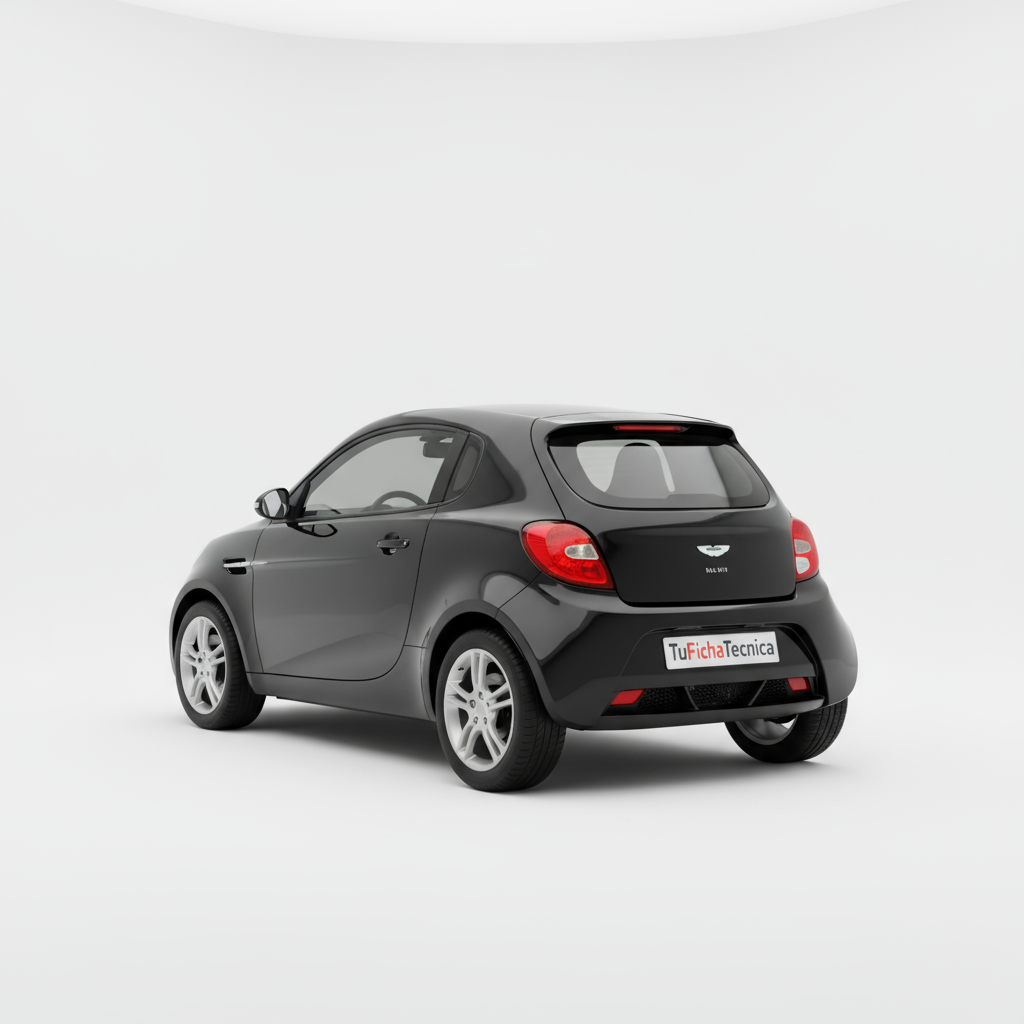
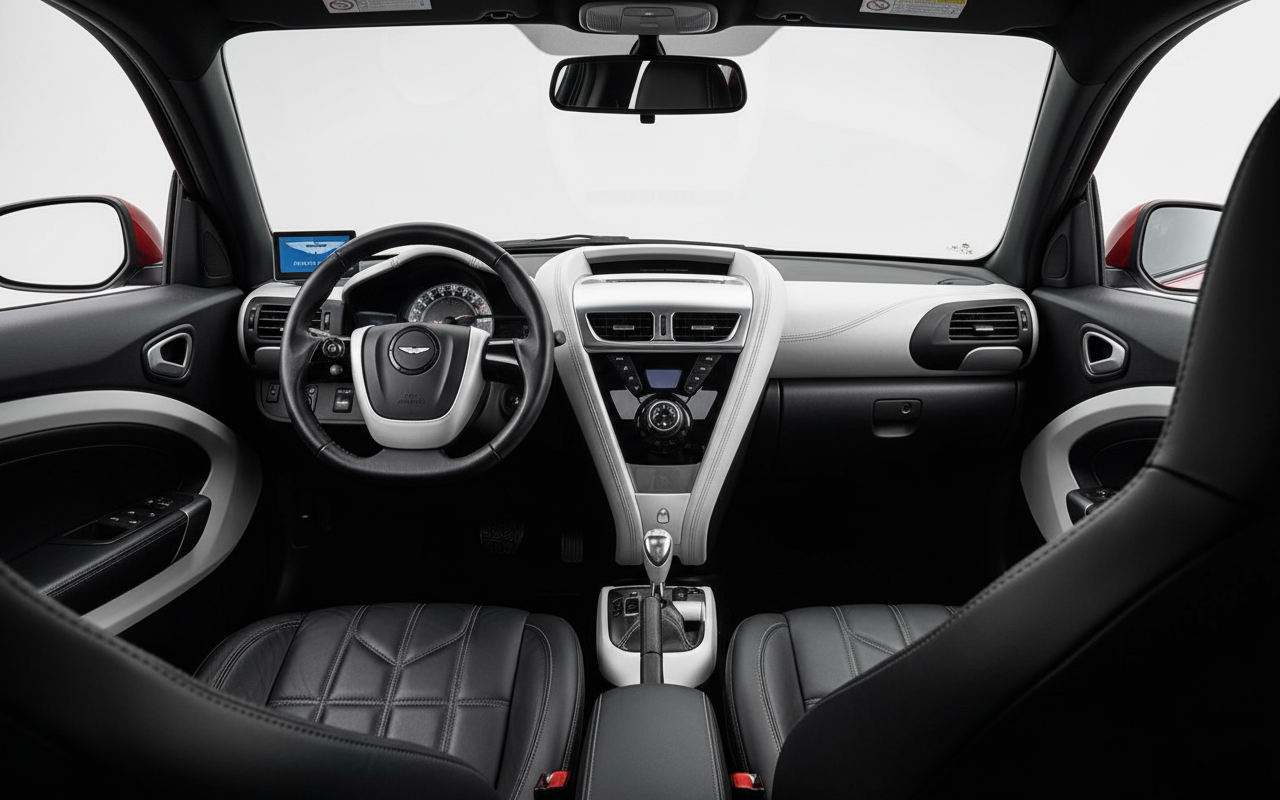
The design is an exercise in the miniaturization of luxury. The iconic Aston Martin grille, the side strakes, and the brand's emblems are integrated into a body of just three meters, creating an image that is both familiar and strangely adorable. But it is inside where the heart beats strongest. Every inch is lined with hand-stitched leather and exquisite materials, transforming a functional cabin into a jewel of craftsmanship. It is proof that Aston Martin's greatness does not depend on size, but on the soul imprinted in every detail.
Technology and features
Beneath its luxurious skin lies the brilliant and reliable Japanese engineering of the Toyota iQ. The 1.3-liter engine with a Stop & Start system was efficient and modern for its time, ensuring a lively response with contained consumption. The technology does not lie in overwhelming screens or complex assists, but in the intelligence of its design: a safe chassis, precise electric steering, and the peace of mind of knowing that its mechanical heart is built to last. It is the perfect fusion of Japanese reliability and British artisanal soul.
Competition
The Cygnet played in a league of its own, with no direct rivals that could compete with its strange combination of price and concept. While a MINI Cooper or an Abarth 595 offered fun and style for much less, none came close to its level of handcrafted luxury. Its true competitor was logic: for its price of over 40,000 euros, one could access premium sedans or real sports cars. The Cygnet did not compete on performance or space, but on being the ultimate urban accessory, a whim for someone who already had a real Aston Martin in the garage.
Conclusion
The Aston Martin Cygnet was a commercial failure but a success as a conversation piece and, today, as a collector's item. It represents a unique moment when a legendary brand dared to break all its rules to adapt to a changing world. More than a car, it is a statement, a fascinating paradox that proves that luxury can be found in the most unexpected places. To drive it is to own a piece of automotive history, a small and brave anomaly that will always provoke a smile and a question: why?